
Last updated November 24, 2026
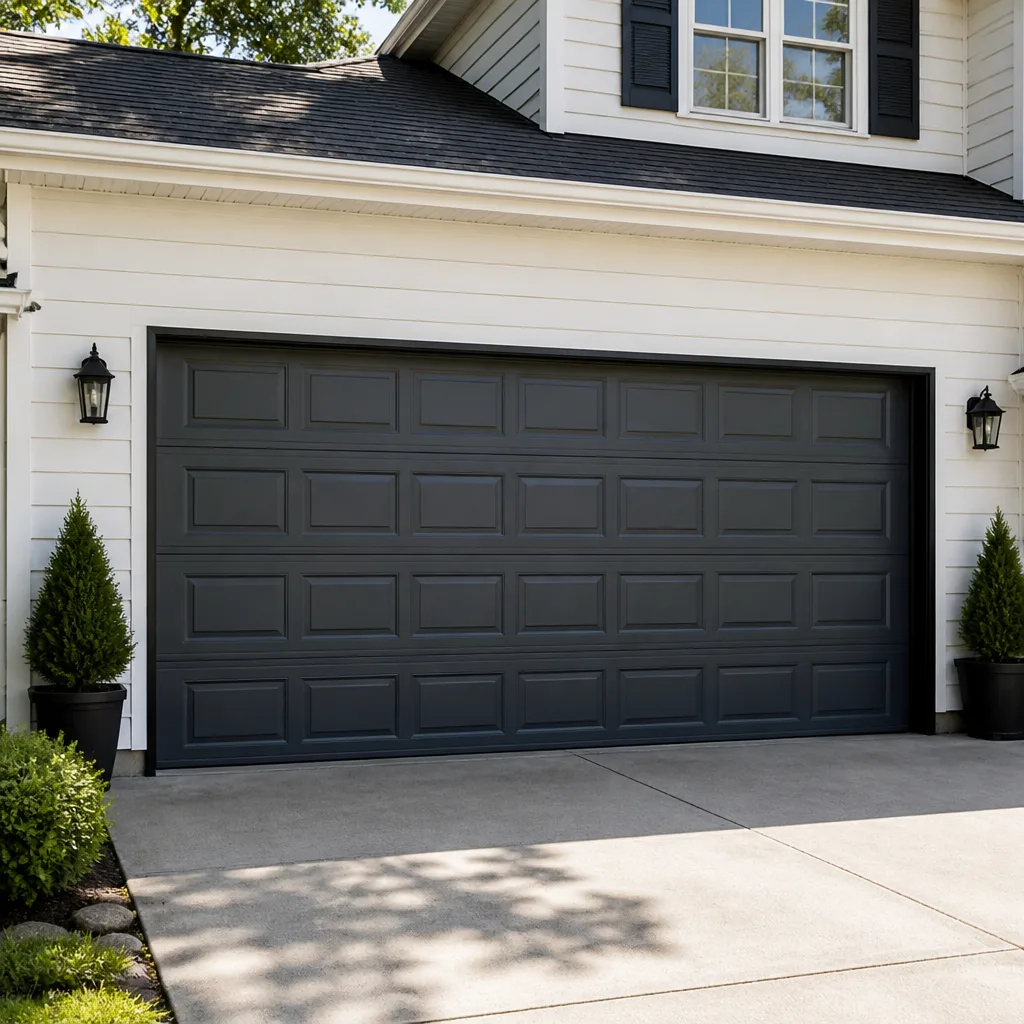 Raised-panel steel
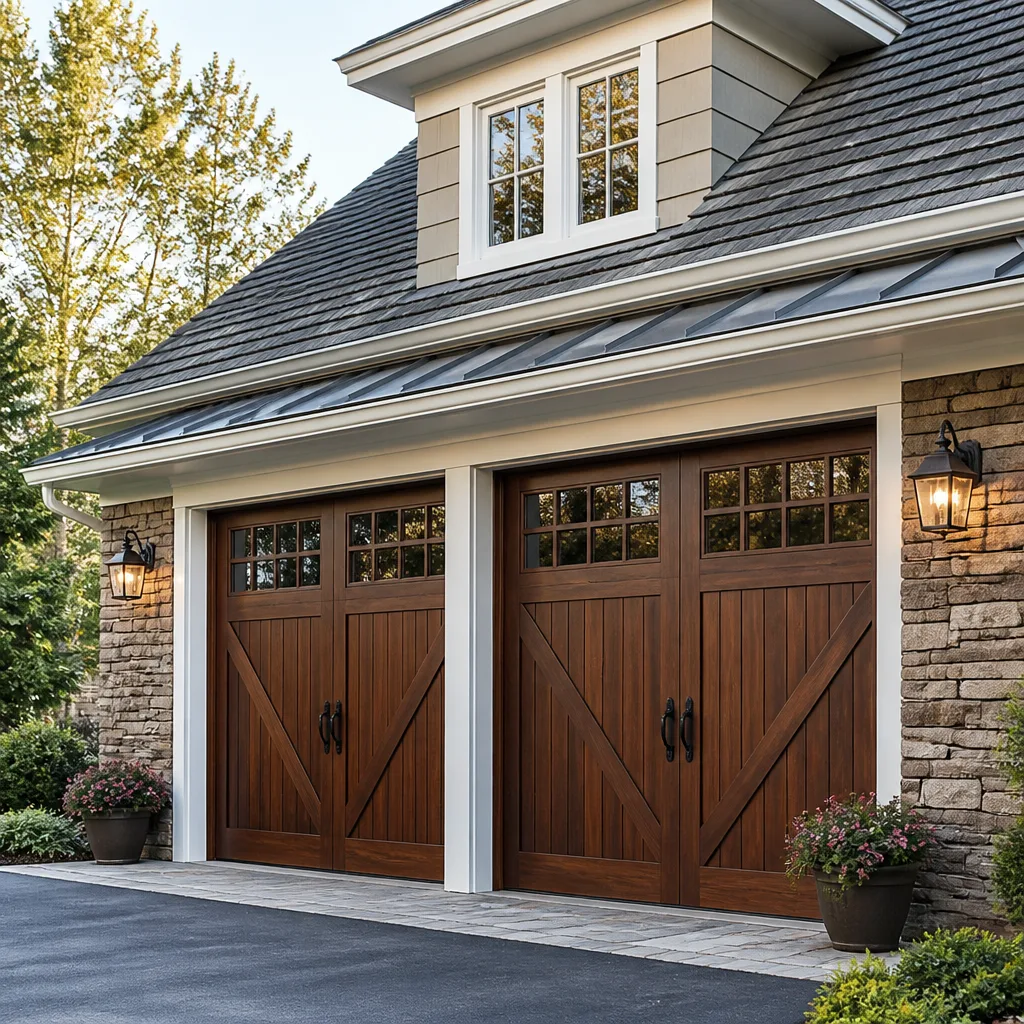 Carriage house
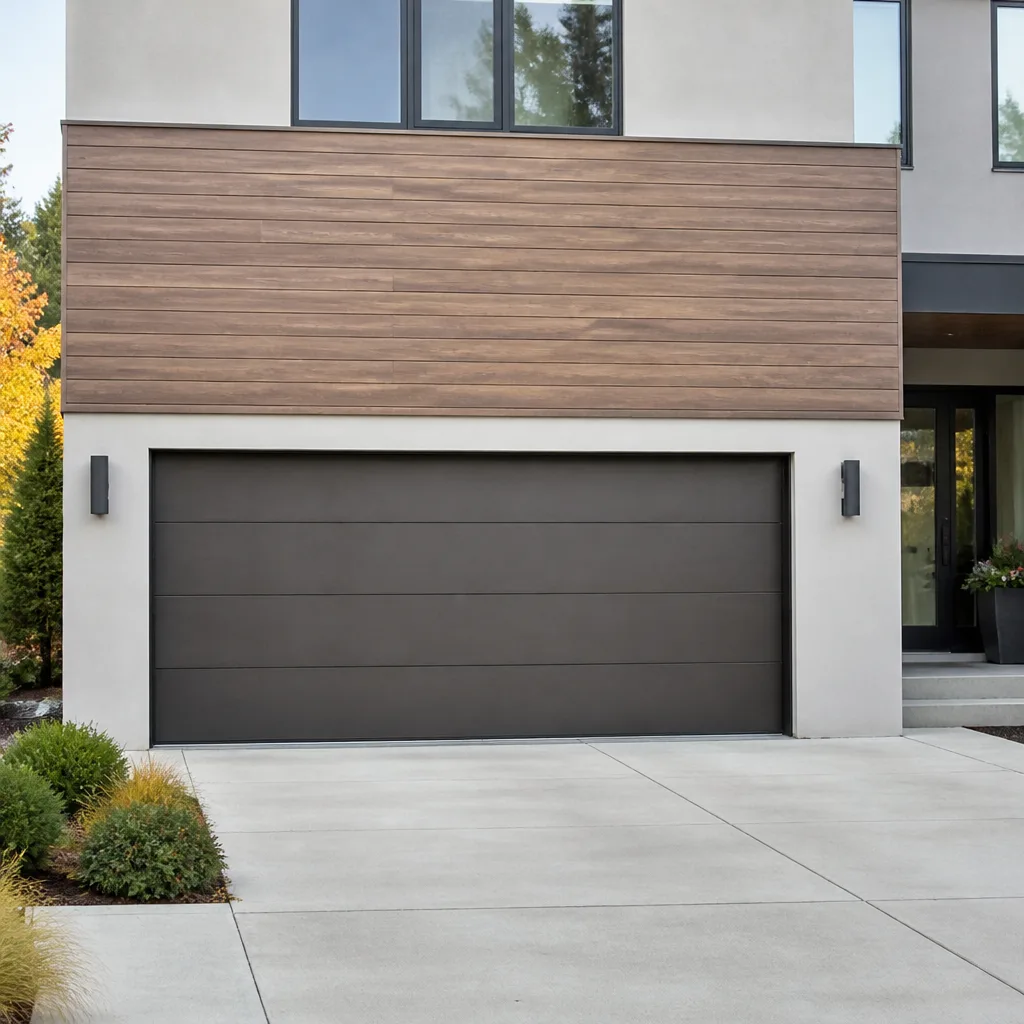 Modern flush
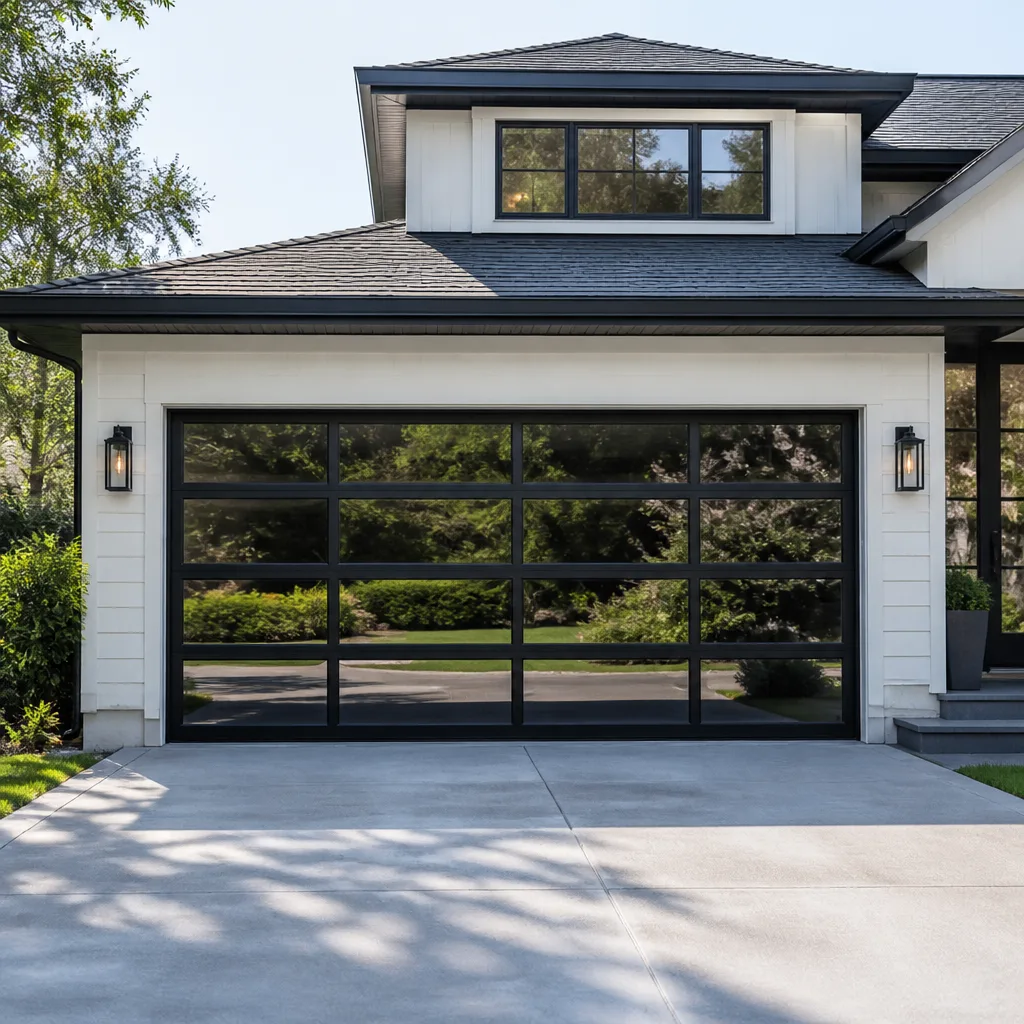 Full-view glass
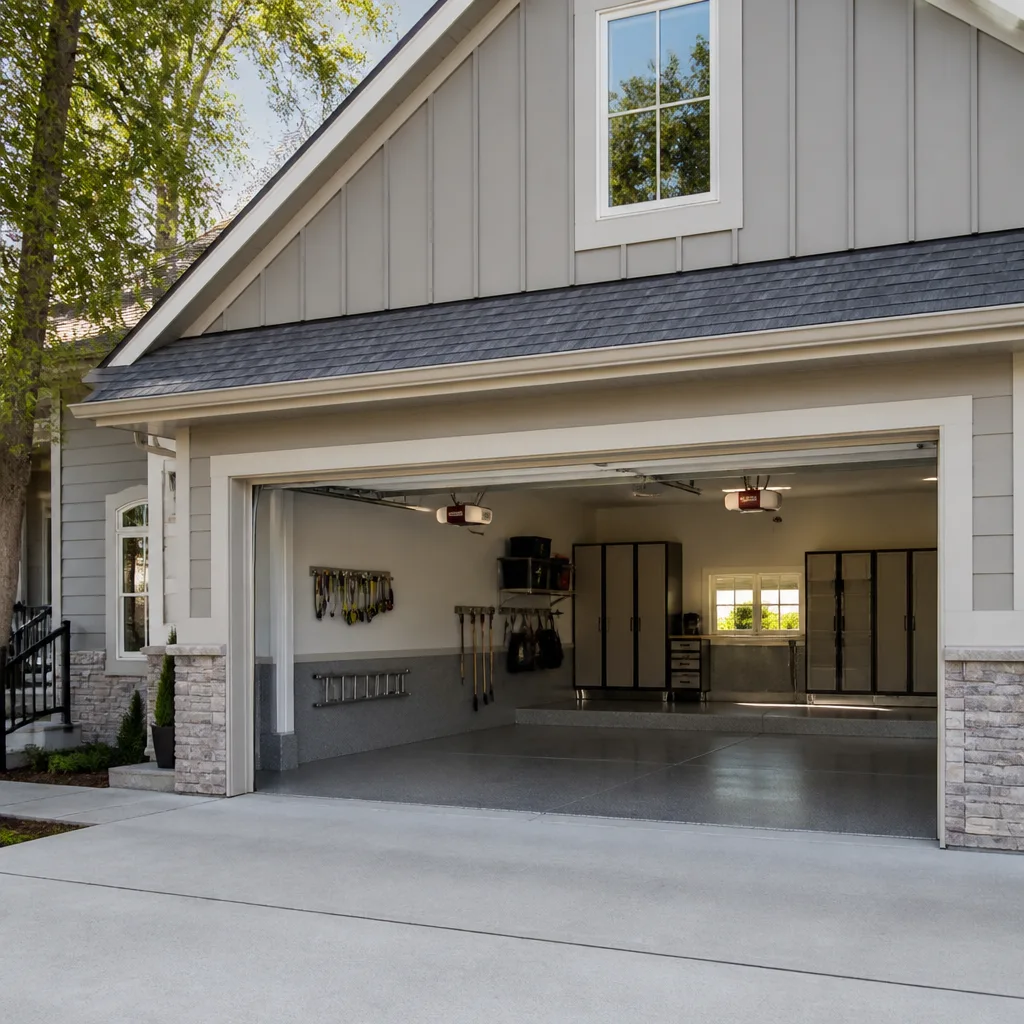 LiftMaster openers
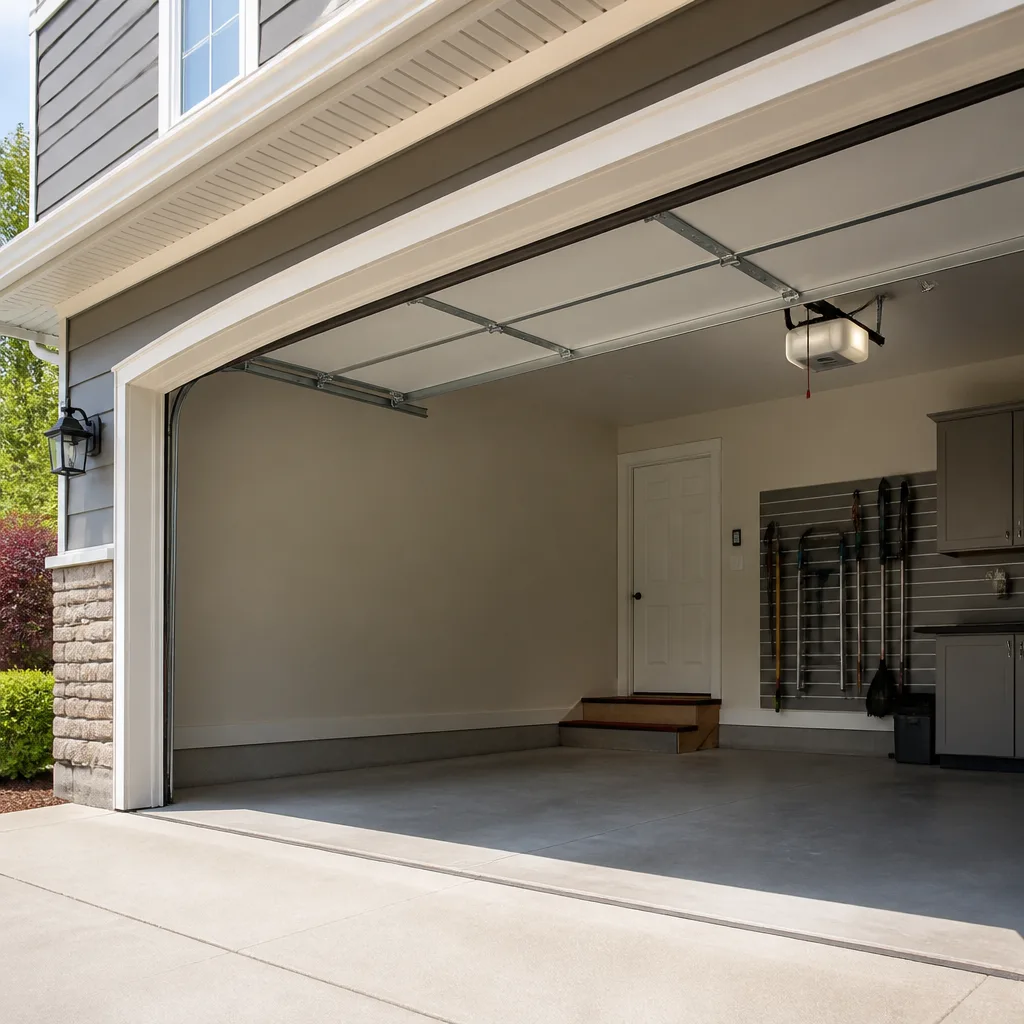 Chamberlain openers
Full 25-point door and opener safety check with every visit - springs, cables, rollers, tracks, and your LiftMaster or Chamberlain opener included
You get a price before we start. It does not change when the pro arrives.
Get your free estimateHow to Hire a Garage Door Contractor in Greenwich: A Step-by-Step Guide
Most homeowners in Greenwich screen a garage door contractor on one thing: the number at the bottom of the quote. That’s the wrong filter, and it’s the one that costs people the most. A cheap install done without manufacturer certification can void a warranty that’s worth more than the labor you “saved,” and a door that’s balanced wrong or a spring swapped without the right hardware can turn a routine repair into a liability question if something fails and someone gets hurt. The gap between a licensed multi-brand specialist and a handyman with a truck isn’t measured in dollars on the invoice. It’s measured in paperwork, certification, and what happens after the door is back on its tracks. This guide walks you through the exact questions and verification steps to tell them apart before anyone touches your door in Greenwich.
Quick Answer
To hire a garage door contractor in Greenwich, verify their Connecticut registration through the CTDCP database, confirm they’re certified on your door and opener brands (LiftMaster, Clopay, Wayne Dalton and similar), and insist on a written contract that names the parts, the timeline, and the post-install warranty. Ask five questions about scope: springs, hardware, disposal, cycle rating, and torque. A contractor who can answer all five clearly is quoting a full job. One who can’t is quoting a price and hoping you don’t read the fine print.
Styles & brands we work with
- Raised-panel steel
- Carriage house
- Modern flush
- Full-view glass
- LiftMaster openers
- Chamberlain openers
Table of Contents
- Connecticut Licensing: How to Verify a Garage Door Contractor
- Why Brand Certification Matters for Your Warranty
- The Five Questions That Reveal a Full Scope Quote
- Red Flags in a Garage Door Quote
- How to Structure a Contract That Protects You
- Greenwich Climate, Housing Stock, and What It Means for Your Door
- Spring Repair and the Safety Line You Shouldn’t Cross
- Common Mistakes to Avoid
Connecticut Licensing: How to Verify a Garage Door Contractor
Start with the paperwork, not the price. Connecticut requires home improvement contractors to register with the state, and garage door work falls under that umbrella. The registration is verifiable, and it takes about two minutes to check.
Here’s the process, step by step:
- Ask the contractor for their Connecticut registration number before they visit. Any hesitation here is your first signal.
- Look up the number through the Connecticut Department of Consumer Protection (CTDCP) database. The state maintains a public lookup for registered home improvement contractors.
- Confirm the registration is current, not expired or suspended. A lapsed registration is a real problem, not a technicality.
- Ask for a certificate of insurance showing general liability coverage, and call the insurer to confirm the policy is active.
- Ask whether they carry workers’ compensation. If a helper is injured on your property and there’s no coverage, the exposure can land on you.
The reason this matters in Greenwich specifically is the housing stock. A lot of homes in neighborhoods like Old Greenwich and Riverside have older two-car garages with original or near-original doors. Those doors and their openers often sit behind drywall, trim, and 1980s-era framing that wasn’t built to modern load calculations. A contractor who isn’t registered, insured, and trained on the hardware isn’t just a warranty risk. They’re a structural risk to a part of your house you don’t look at every day.
Why Brand Certification Matters for Your Warranty
Here’s the part most homeowners don’t hear until something breaks and the warranty claim gets denied. Manufacturer warranties on garage doors and openers are conditional. They typically require installation or repair by an authorized or certified professional, and they can be voided if the work is done with non-OEM parts or by someone the manufacturer doesn’t recognize.
This is where the brand list becomes practical, not marketing. If your door is a Clopay and the contractor isn’t certified on Clopay systems, you’re rolling the dice on whether the manufacturer honors a claim down the road. Same story with LiftMaster openers, Wayne Dalton doors, and Raynor hardware. Each of those brands has its own installation specs, torque settings, and warranty language. A generalist reading the manual for the first time at your house is not the same as a technician who’s installed that system dozens of times.
In our experience, the warranty gap is where the “cheap” quote stops being cheap. The labor savings on a non-certified install might be a few hundred dollars. The warranty exposure on a door that fails in two years can be the full replacement cost.
What to ask:
- Which door and opener brands are you certified on?
- Can you show me the certification or authorization for the brand on my door?
- Will the parts you install be OEM or aftermarket, and does that affect my warranty?
- If a part fails under warranty, who handles the claim: you or me?
For a deeper look at how we handle brand-specific repairs, our garage door opener repair page covers the opener systems in detail, and our garage door repair page outlines the general repair scope.
The Five Questions That Reveal a Full Scope Quote
A full-scope garage door quote covers every part of the job: the door or opener itself, all the hardware that goes with it, the springs and their cycle rating, the disposal of the old equipment, and the labor. A partial quote covers the headline item and adds the rest later, once you’re committed. These five questions tell you which one you’re holding.
Question 1: Are the springs included, and what is their cycle rating? Springs are the most common “surprise” line item on a garage door invoice. A quote that doesn’t mention springs either excludes them or assumes you won’t ask. Cycle rating tells you how many open-and-close cycles the spring is rated for, and a lower-cycle spring is cheaper for a reason.
Question 2: What hardware is included? Hinges, rollers, brackets, cables, and the torsion tube. If the quote names the door but not the hardware, ask for the hardware list in writing.
Question 3: What is the torque specification for the springs on this door? This is the technical question that separates trained technicians from handymen. If the answer is a shrug, the springs are being set by feel, not by spec.
Question 4: Is disposal of the old door and hardware included? In Greenwich, hauling away a steel door isn’t free. If disposal isn’t in the quote, it’s coming later as an add-on.
Question 5: What is the post-install warranty, and who honors it? The manufacturer’s warranty and the contractor’s workmanship warranty are two different things. Ask for both, in writing, with the lengths named.
A contractor who answers all five with specifics is quoting the full job. One who deflects on any of them is quoting a number and leaving the rest to chance. If you want to see how we walk through those questions ourselves, our garage door spring repair page covers the spring side in more depth.
Red Flags in a Garage Door Quote
The red flags in this trade are pretty consistent, and most of them come down to what’s missing from the quote rather than what’s in it. Here’s what to watch for.
- Unusually low spring pricing. Springs are the safety-critical component and the most dangerous repair in the trade. A price that’s dramatically below the others is usually a lower-cycle spring, an undersized pair, or a job that skips the tension and balance checks.
- No mention of torque or cycle rating. If the quote names a price for springs and nothing else, the technician isn’t setting them by spec. That’s a safety issue, and it’s a warranty issue.
- Cash-only payment, no written contract. You want a paper trail, a registered CTDCP number, and a warranty you can actually reference. Cash-only is a shortcut that protects the contractor, not you.
- No registration number on the quote. Connecticut registration should be on the estimate. If it’s not, ask why.
- Brand name that doesn’t match your door. A Clopay quote for a Wayne Dalton door is laziness or bait-and-switch. Either way, it’s a sign the contractor didn’t look at what you have.
- Verbal-only scope. Anything not in writing on the quote is a promise, not a contract. Springs, hardware, disposal, timeline, warranty. All of it needs to be on paper.
None of these are dealbreakers on their own. Together, they tell you whether you’re talking to a specialist or a salesperson. If a contractor does have a registration number but you can’t verify it, that’s a harder stop. Walk away.
How to Structure a Contract That Protects You
A garage door contract should be short and specific. You don’t need pages of legal language. You need a document that names the parts, the timeline, and the warranty, and that both of you sign before any work begins. Here’s the structure we recommend asking for.
- Scope of work. Exactly what’s being installed or repaired. Door model, opener model, spring type with cycle rating, hardware list. If the door is a Clopay or Wayne Dalton, the model number should be named.
- Part brands and OEM status. Manufacturer and model for every component. Confirm OEM status, since aftermarket parts can affect the manufacturer’s warranty.
- Price and payment schedule. The full price, what’s included, and when payment is due. A deposit on a full door installation is normal. Final payment on completion and function testing is standard.
- Timeline. Start date range and expected completion. If the door has to be ordered, the lead time should be in the contract, not a verbal estimate.
- Workmanship warranty length. The manufacturer’s warranty covers the parts. The contractor’s warranty covers the install. Both should have a length and both should be named.
- Post-install service terms. What happens if the door doesn’t operate correctly in the first month. Who comes out, and is there a charge.
- Cleanup and disposal. Old door hauled away, old hardware removed, work area cleaned. Get it in writing.
Two more things worth naming in the contract: the final function test (balance, tension, safety reverse) is standard practice, and if the door has a safety reverse system, the reversing test should be part of the completion check. If a contractor objects to putting those items in the contract, that’s a sign they’re not planning to do them.
Greenwich Climate, Housing Stock, and What It Means for Your Door
Greenwich sits in a climate with real seasons. That matters for your garage door in ways that a flat quote doesn’t reflect. Cold winters mean the springs are working in temperatures that shift the metal’s tension. Hot summers mean the door’s panels expand and contract with the thermal cycling. And the humidity swings through the year put the hardware, rollers, and hinges through a wider range than a door in a milder climate ever sees.
The practical upshot is that door hardware in Greenwich sees more cycle wear per year than the same hardware in a stable climate. Springs, in particular, are rated by cycle count, not by years, so a door that gets used heavily through a long winter tends to burn through its cycle budget faster. When you’re comparing quotes, ask about cycle rating. A higher-cycle spring costs a bit more up front and lives longer on a Greenwich door.
The housing stock matters too. Older homes in areas like Cos Cob and Riverside often have garages that were built with narrower clearances or single-bay footprints. If you’re replacing a door rather than repairing one, the measurement step isn’t a formality. A door that’s a fraction off in width or track spacing will bind, and the contractor won’t be able to blame the door. Ask for a full measurement before the order is placed, and don’t sign a contract with a door spec that hasn’t been checked against the actual opening.
Spring Repair and the Safety Line You Shouldn’t Cross
Springs are the one part of a garage door where the DIY instinct needs to stop. Torsion springs store enough energy to send a door through a wall or a tool through a hand, and extension springs can whip if the containment cable isn’t in place. The springs are also the part most under tension during the repair. That’s the safety line: a trained technician with the right winding bars, the right torque spec, and the right containment, or a call to someone who has them.
When you’re comparing spring quotes, ask three things:
- What’s the cycle rating on the spring you’re installing?
- Is the pair being replaced together, or just the broken one? A matched pair is standard, since mismatched springs put uneven load on the door.
- Is the torque being set to the door’s spec, or by feel?
The first question is about longevity. The second is about the way the door wears. The third is about safety and warranty. A contractor who can answer all three with specifics is doing the job the right way. If you’re not sure what prompted the spring failure in the first place, or if the door has been binding, our team can take a look. Greenwich Garage Door Repair handles spring repair as a dedicated service, which is worth knowing if a general handyman has told you it’s a quick fix.
Common Mistakes to Avoid
- Picking a contractor on price alone. The lowest quote on a garage door job is usually the one that skips springs, hardware, or disposal. When you add those back, the “cheap” quote rarely is.
- Skipping the CTDCP lookup. Connecticut registration is public and easy to check. Not checking it is the single easiest mistake to avoid, and the most consequential if the contractor turns out to be unregistered or uninsured.
- Accepting a verbal scope. Any detail not on paper in Greenwich is a detail you’ll be arguing about later. Springs, torque spec, cycle rating, disposal, warranty. All of it in writing.
- Letting the wrong brand quote slide. If your door is a LiftMaster opener and the quote names a different system, the contractor didn’t look at what you own. That’s a competence signal, not a small detail.
- Ignoring the balance and safety reverse test at completion. A door that operates but isn’t balanced will wear its springs and opener out early. The completion check is part of the job, not a nice-to-have.
- Choosing a contractor who won’t commit to a warranty in writing. Manufacturer warranty covers parts. Contractor workmanship warranty covers the install. If neither is named on paper, you have neither.
- Booking a repair before asking about same-day availability. If your door won’t close and you’re stuck, a contractor who can’t get to it until next week isn’t the right fit. We answer 24/7. Fast dispatch from 7am to 7pm, Sunday through Friday.
See the difference
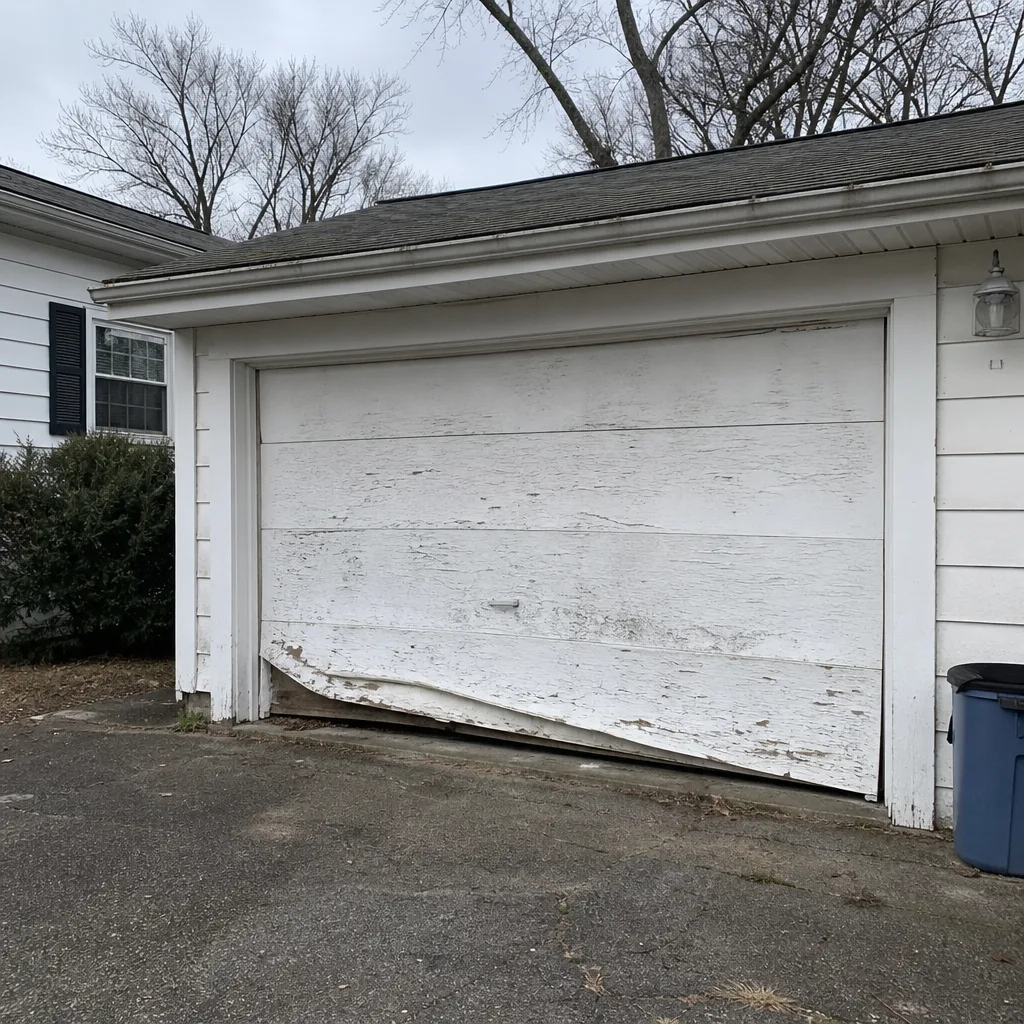 Before
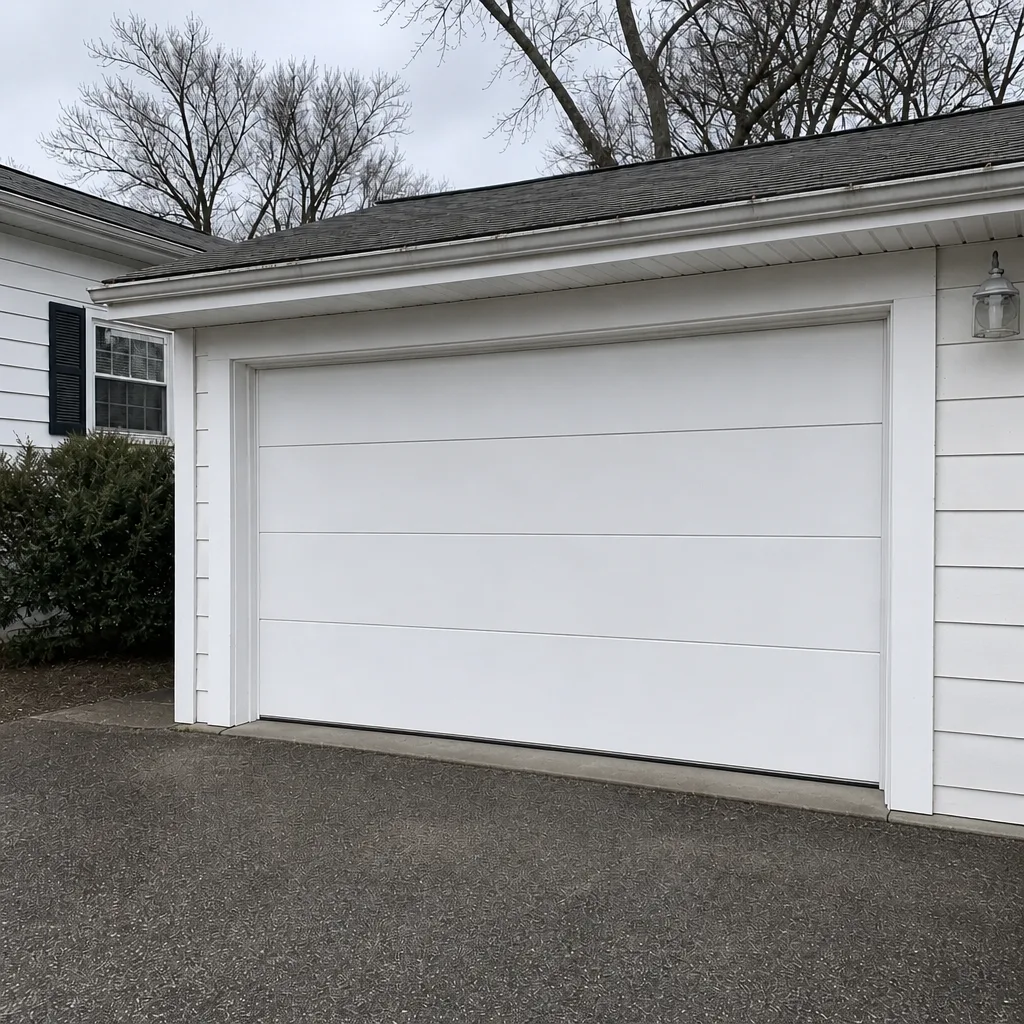 After
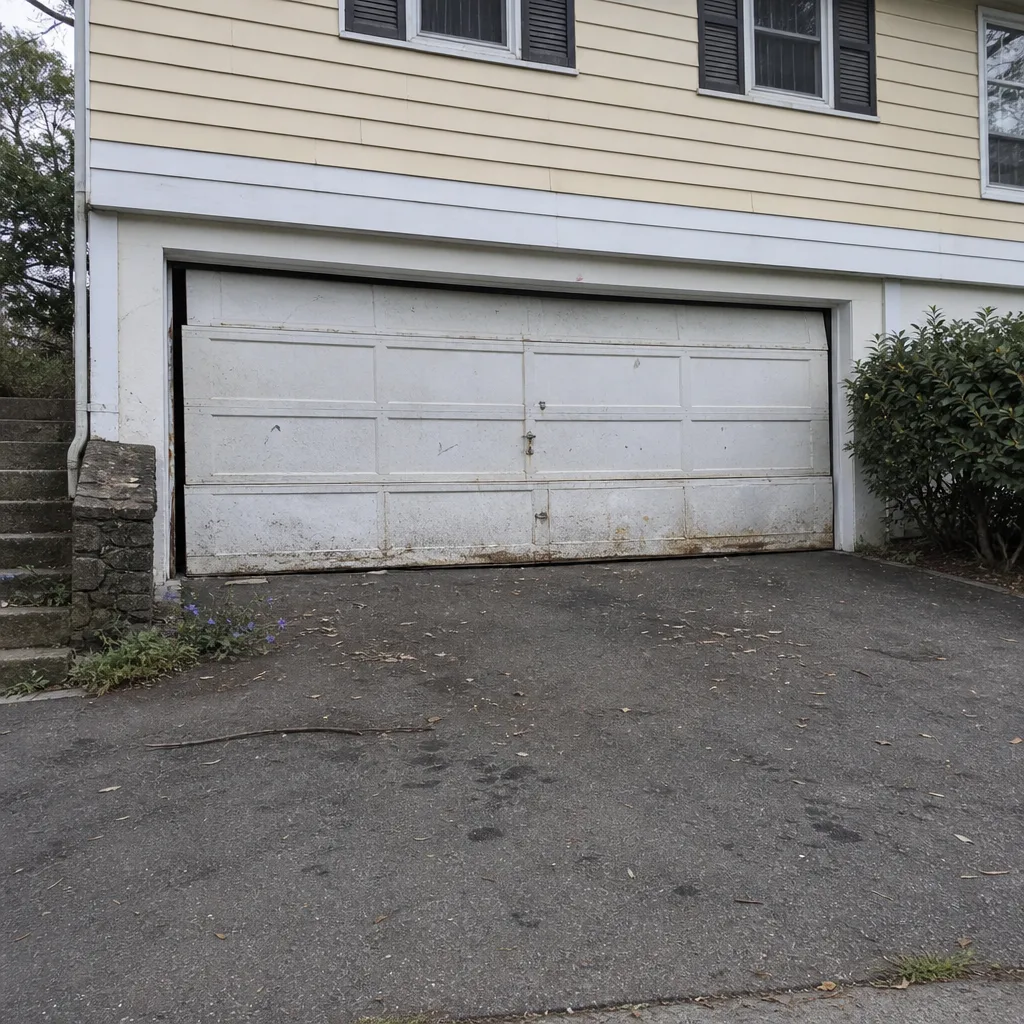 Before
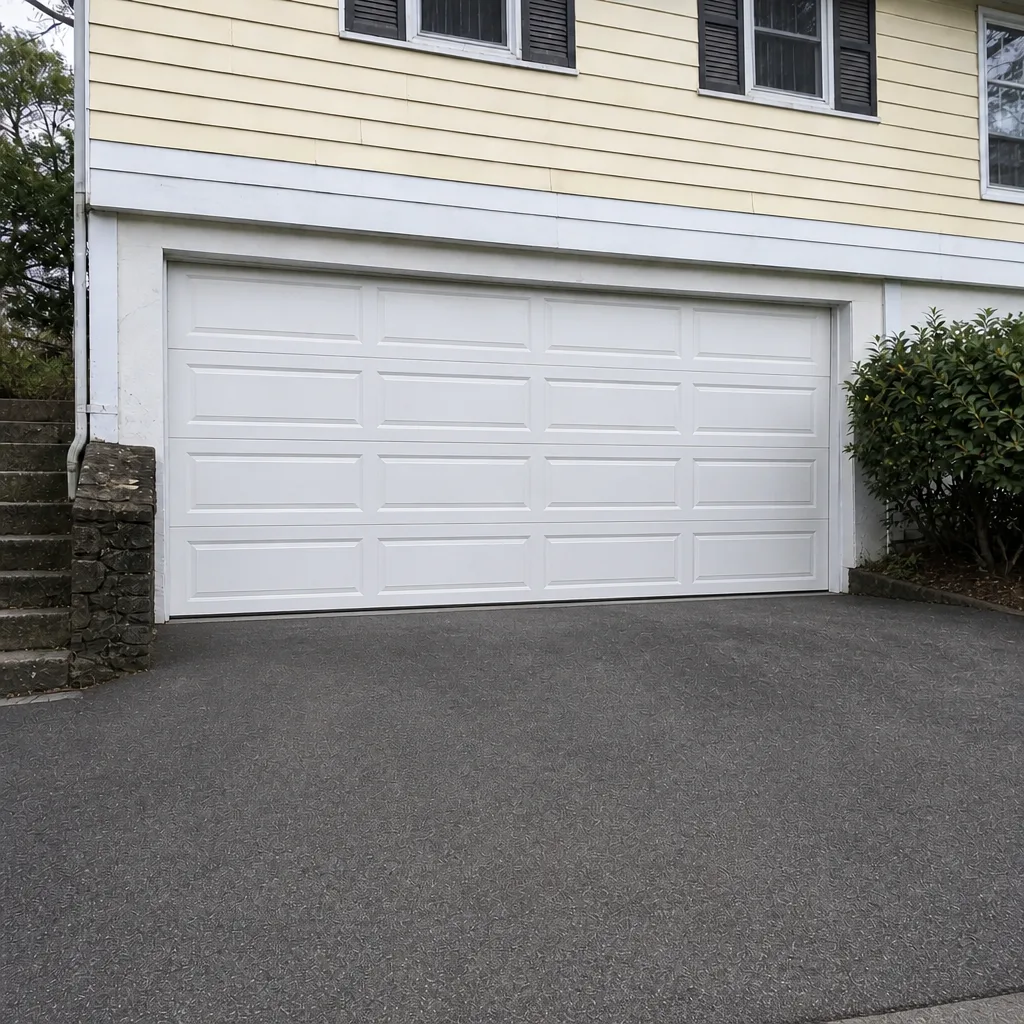 After
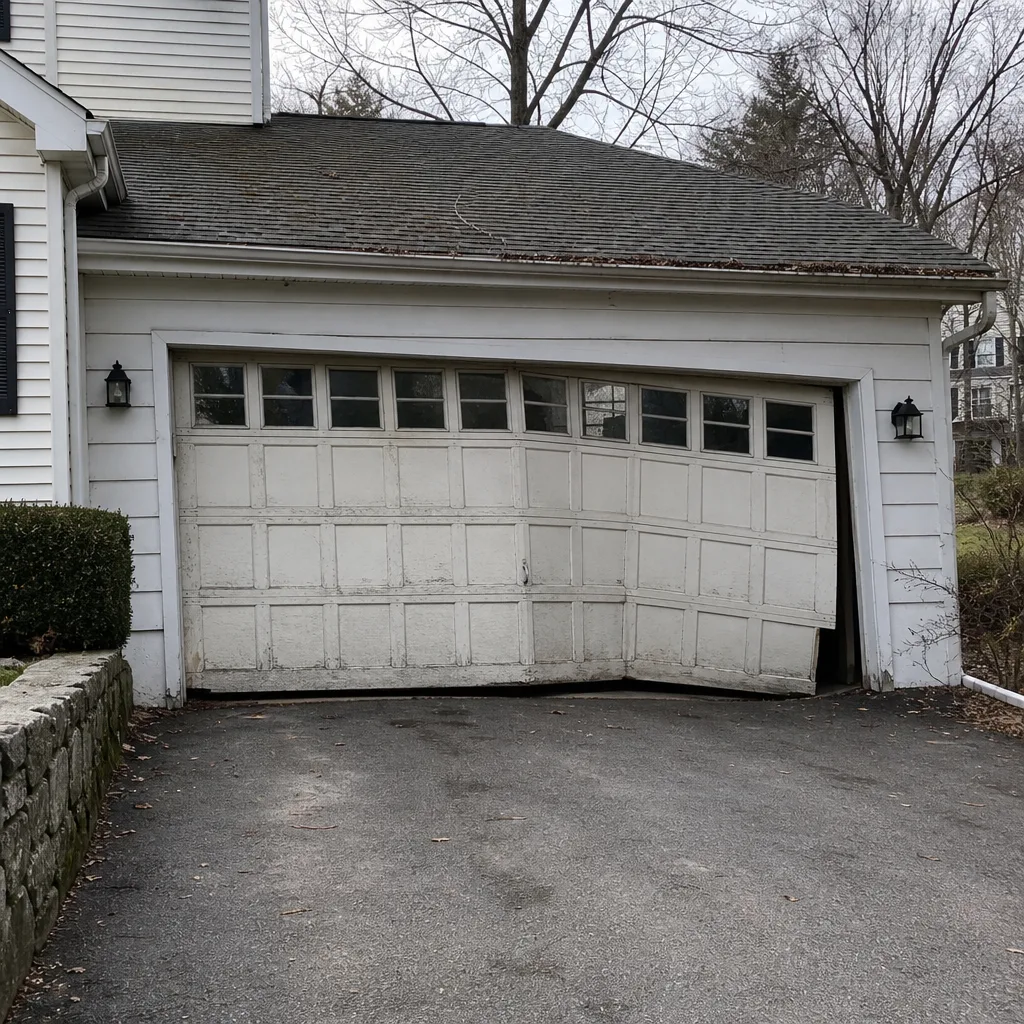 Before
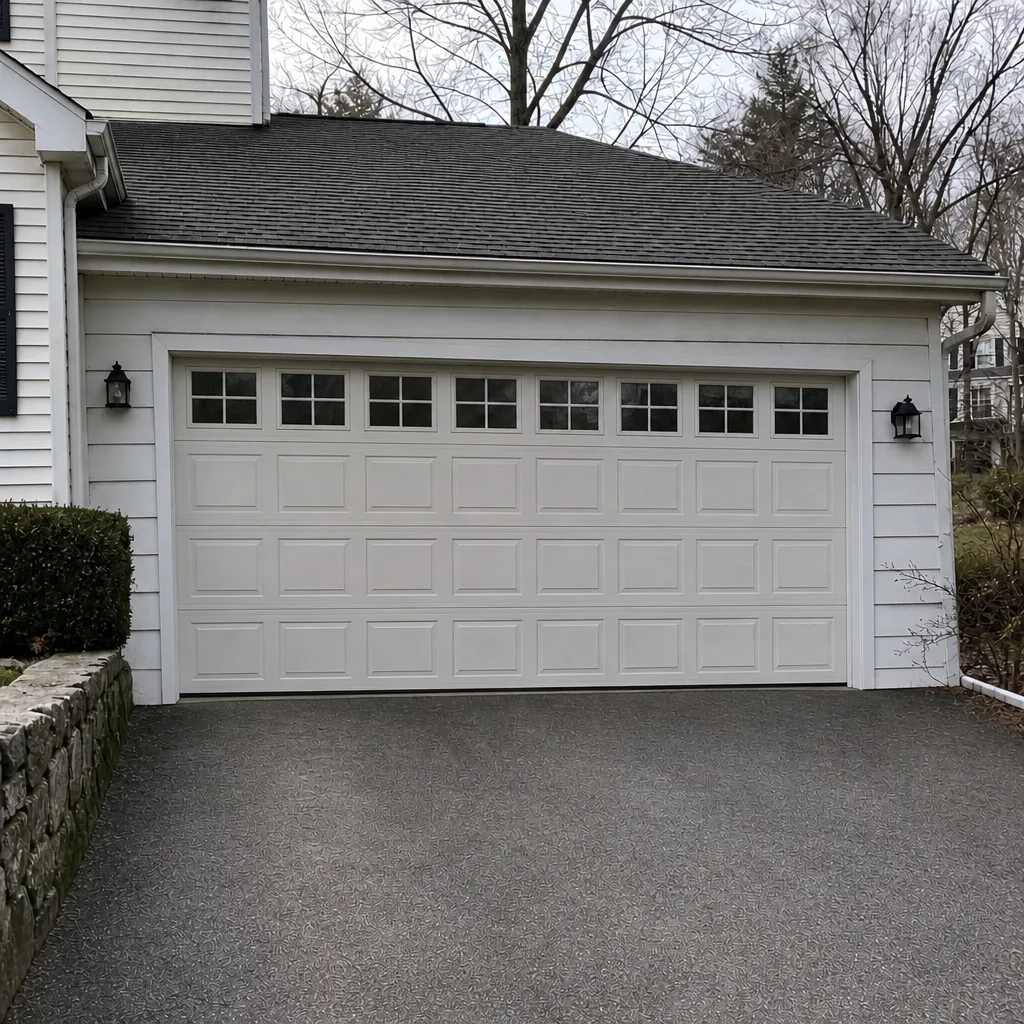 After
When to Call a Professional
Some garage door issues are cosmetic and can wait. Some shouldn’t. Call a professional if the door won’t close or reverses immediately, if you hear a snap from the spring area and the door feels unusually heavy, if the door comes off its tracks, if the opener runs but the door doesn’t move, or if the door is hanging uneven at one corner. If the spring is visible and broken, don’t operate the door at all. Springs under tension and electrical components are both on the professional side of the line, and that’s before you factor in the weight of the door itself.
Greenwich Garage Door Repair offers free estimates in Greenwich, and our technicians have up to 8 years of experience on the hardware and openers most homes here actually have. Call (866) 947-9299. We answer 24/7. Fast dispatch from 7am to 7pm, Sunday through Friday.
Frequently Asked Questions
Look up their Connecticut home improvement contractor registration through the CTDCP database, and confirm the registration is current. Then ask for a certificate of insurance and verify it with the insurer. A contractor who can’t produce a registration number or an active policy isn’t the one to hire, and the check takes a couple of minutes. Call (866) 947-9299 if you want help understanding what to ask for – estimates are free.
It can. Most manufacturer warranties require installation or repair by an authorized or certified professional, and using non-OEM parts can affect coverage too. That’s why matching certification to your door and opener brands (LiftMaster, Clopay, Wayne Dalton, Raynor and others) matters before anyone touches the door. Call (866) 947-9299 for an exact quote on certified service – estimates are free.
Ask five: are springs included and at what cycle rating, what hardware is included, what torque spec applies to the springs, is disposal included, and what’s the workmanship and manufacturer warranty length. If all five are answered clearly and in writing, you’re probably talking to a full-scope contractor. If any are vague, get them clarified before signing. Call (866) 947-9299 for a free written estimate.
A single spring replacement in Greenwich typically runs in a mid-range three-figure cost, with a matched pair costing roughly double since both springs are usually replaced together. The exact price depends on the door’s weight, the spring type, and the cycle rating you choose, and the written estimate sets the final price before any work starts. Call (866) 947-9299 for an exact quote – estimates are free.
Often, yes. Same-day service is available for repair calls, and emergency situations (door stuck open, door off its tracks, spring failure) get priority. We answer 24/7, and fast dispatch runs from 7am to 7pm, Sunday through Friday. A call outside dispatch hours is booked into the next opening. Call (866) 947-9299 to check availability – estimates are free.
Ideally the brands your door and opener already use. The most common in this area are LiftMaster and Chamberlain openers, Genie and Craftsman on older systems, and Clopay, Amarr, Wayne Dalton, and Raynor on the door side. A contractor certified across multiple brands can work on whatever you have, rather than steering you toward a replacement because they don’t recognize the system. Call (866) 947-9299 to confirm coverage on your brand – estimates are free.
The Bottom Line
Hiring a garage door contractor in Greenwich comes down to verification before price. Check the CTDCP registration, confirm insurance, match certification to your door and opener brands, ask the five scope questions, and get the contract in writing with parts, timeline, and warranty named. Springs, torque, and cycle rating aren’t optional details, they’re the difference between a door that lasts and a door that fails early with a voided warranty behind it. The cheapest quote in Greenwich is rarely the cheapest job, and the paperwork is where you find out which one you’re holding. If you want a contractor who can walk through all of it with you, we’re a call away.
Call (866) 947-9299 for a free estimate. We answer 24/7. Fast dispatch from 7am to 7pm, Sunday through Friday. Whether you’re replacing a door, repairing a spring, or troubleshooting an opener, our team can help you understand the scope before you sign.
Written by the team at Greenwich Garage Door Repair.