
Last updated November 24, 2026
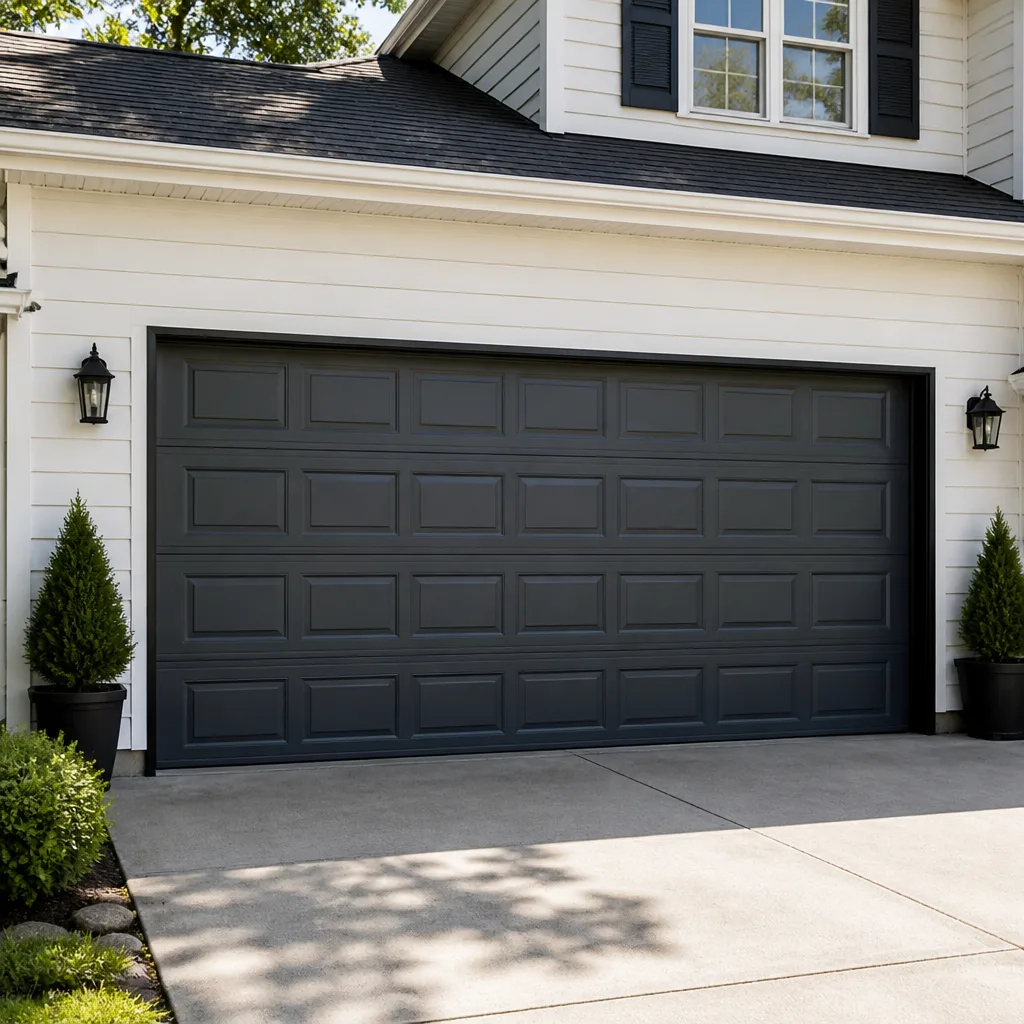 Raised-panel steel
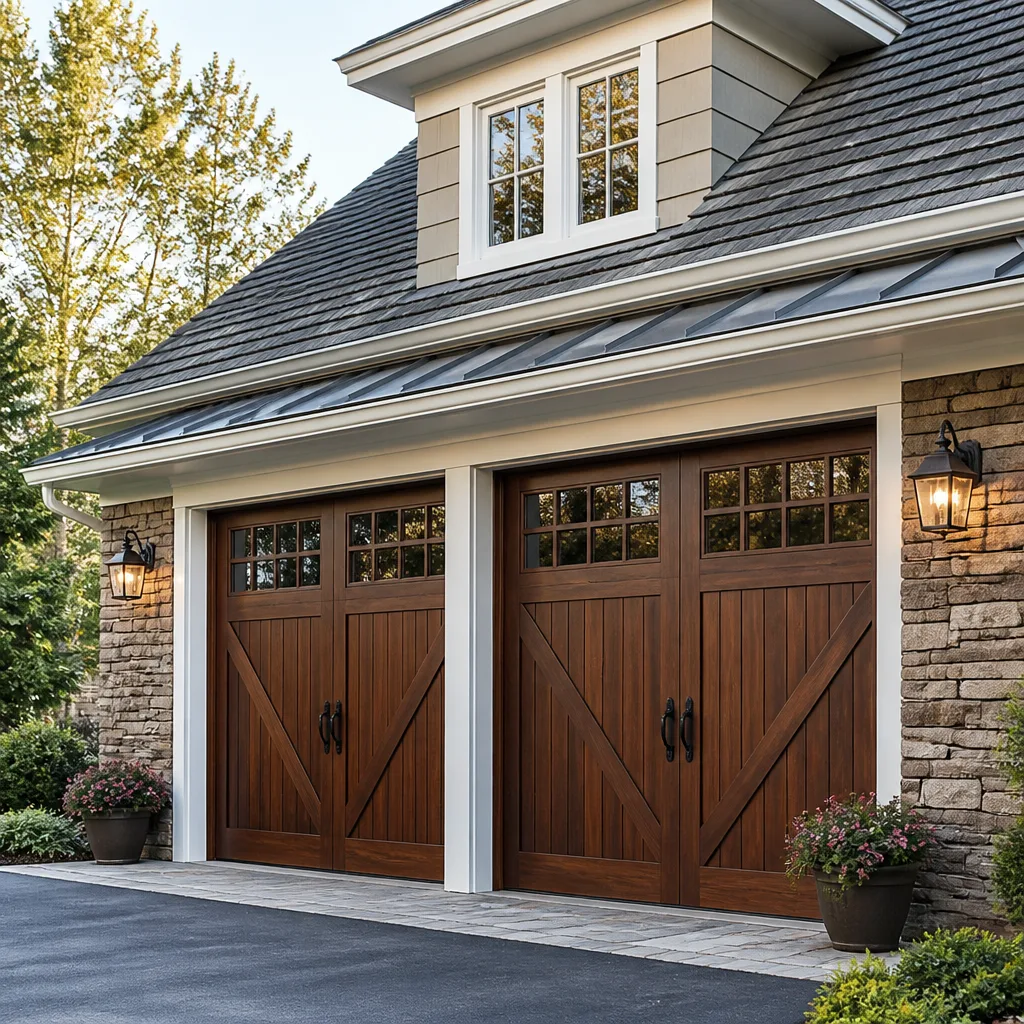 Carriage house
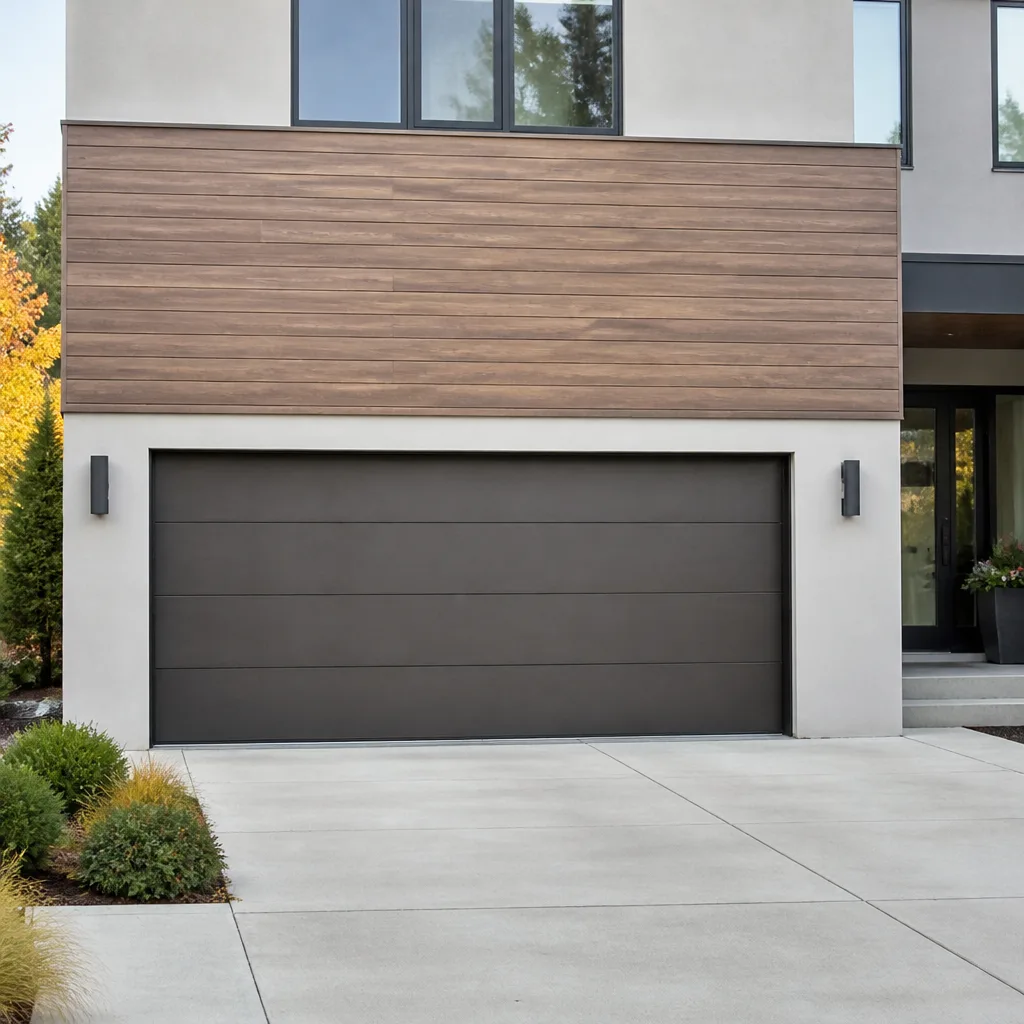 Modern flush
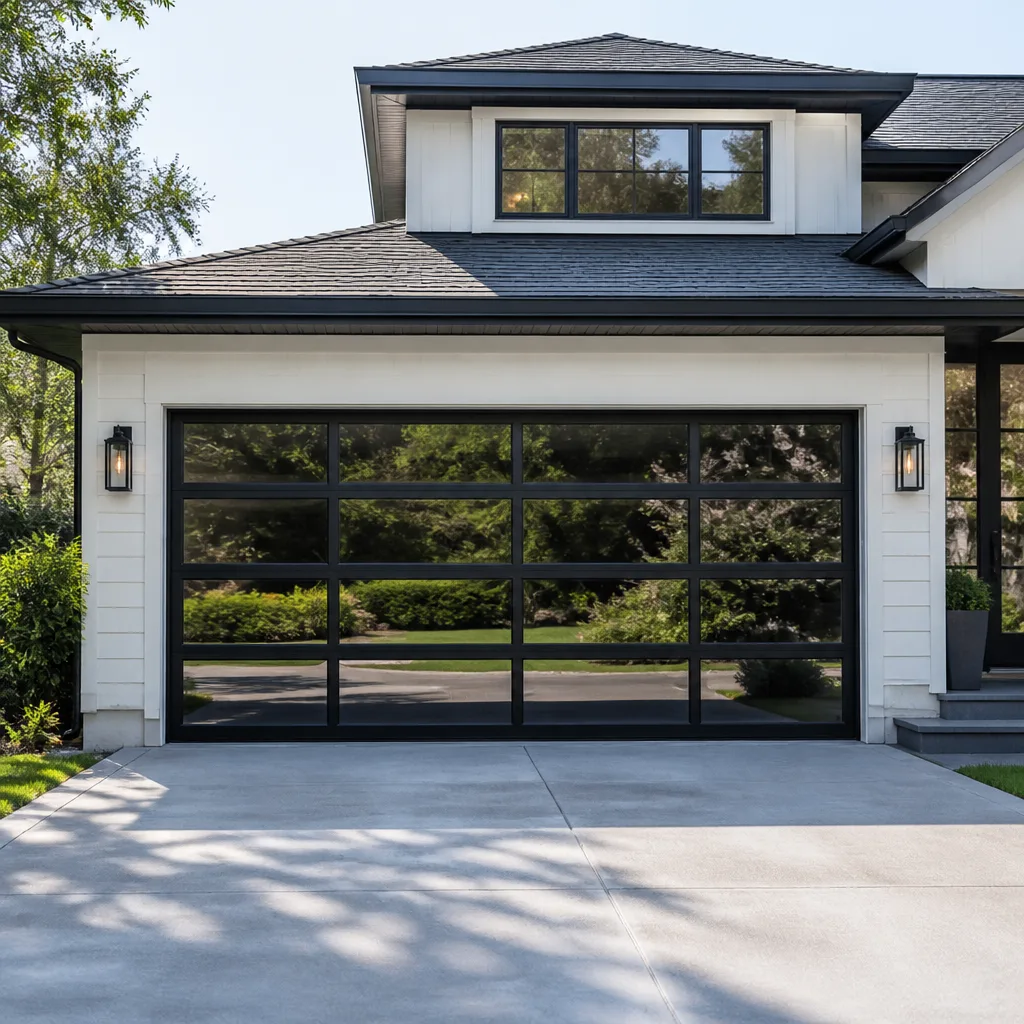 Full-view glass
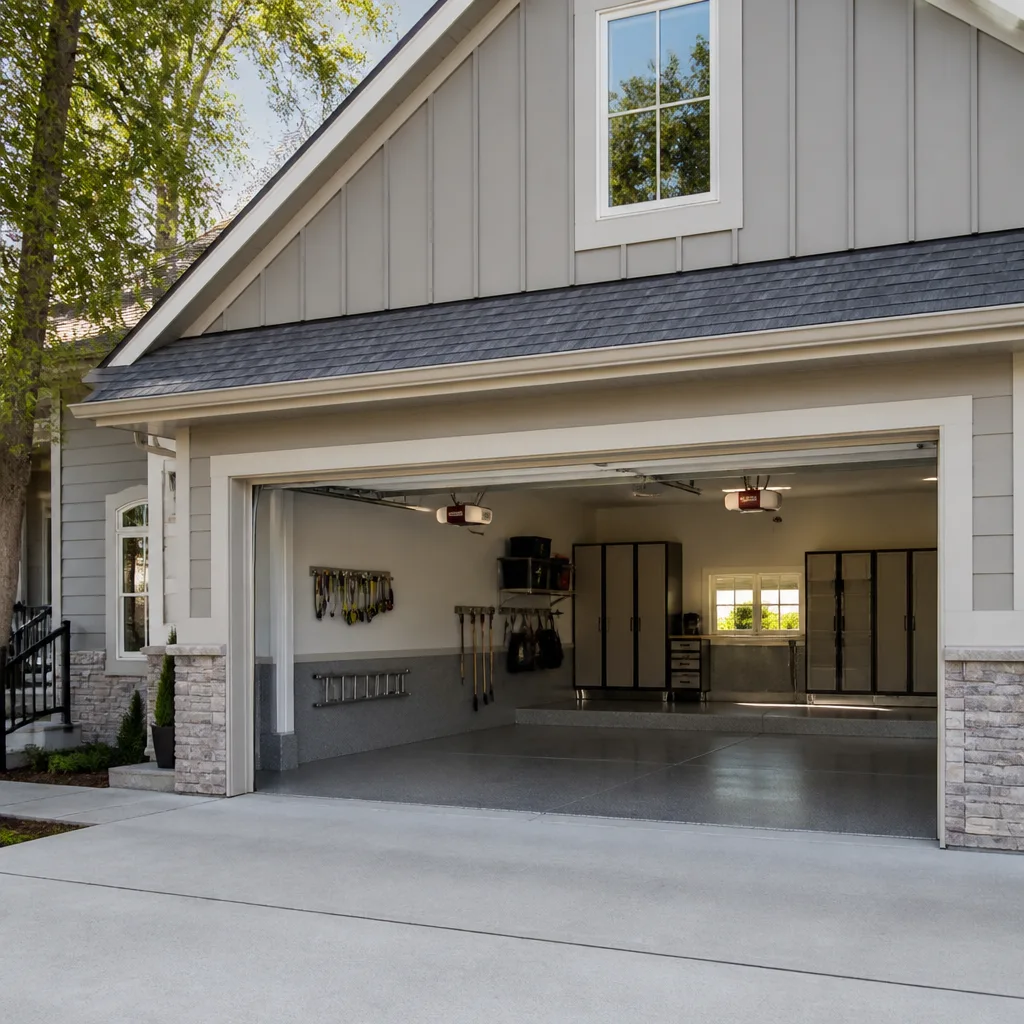 LiftMaster openers
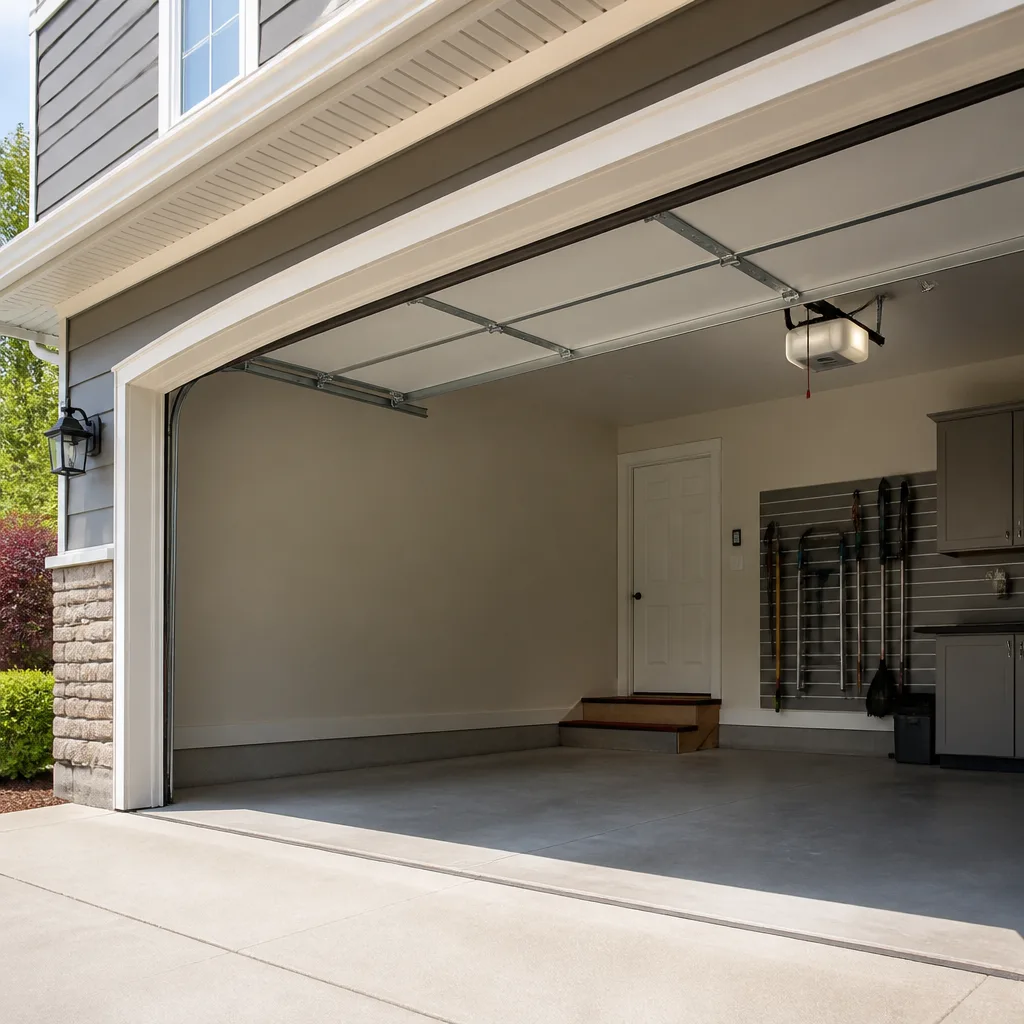 Chamberlain openers
Full 25-point door and opener safety check with every visit - springs, cables, rollers, tracks, and your LiftMaster or Chamberlain opener included
You get a price before we start. It does not change when the pro arrives.
Get your free estimateSeasonal Garage Door Care for Greenwich: Year-Round Homeowner’s Guide
The spring that snaps in January usually didn’t fail because of the cold alone. It failed over months – as the door swelled in September humidity, then dried and shrank when the heat kicked on, the spring carried slightly more tension than it was set for. Nobody adjusted it. Three months of small, cumulative stress is what turns a hard winter cold snap into a snapped torsion spring. Here in Greenwich, a garage door lives through four genuinely different stress profiles a year: humid summers that warp wood, a fall dry-down that loosens hardware, freeze-thaw cycles that bind bottom seals, and a spring melt that exposes salt on every steel part. This guide walks through what each season does to your door and what to do about it, month by month.
Quick Answer
Seasonal garage door care in Greenwich means adjusting for four distinct climate phases: checking spring tension and hardware in the fall before the freeze, freeing and resealing a frozen bottom seal in winter without tearing the gasket, inspecting torsion springs and steel hardware for corrosion and hairline cracks in spring, and correcting track spacing as summer humidity swells wood panels. A door that gets attention in October rarely needs an emergency call in January.
Styles & brands we work with
- Raised-panel steel
- Carriage house
- Modern flush
- Full-view glass
- LiftMaster openers
- Chamberlain openers
Table of Contents
- Why Greenwich’s Four Seasons Are Hard on Garage Doors
- Fall Prep: What Wood and Steel Doors Do as Temperatures Drop
- Winter: How to Free a Frozen Bottom Seal Without Damage
- Spring: Post-Winter Inspection for Corrosion and Hairline Cracks
- Summer Humidity, Wood Alignment, and Track Spacing
- Month-by-Month Task Calendar for Greenwich
- Brand-Specific Notes for the Doors Common in Greenwich
- What You Can Check Yourself and What You Shouldn’t
Why Greenwich’s Four Seasons Are Hard on Garage Doors
A garage door isn’t one material. It’s steel, aluminum, wood, plastic, rubber, and several torsion springs all moving together on tracks that have to stay parallel within a fraction of an inch. Each of those materials responds differently to temperature and humidity. When you put a home through four real seasons – a humid summer, a dry fall, a hard freeze, a wet thaw – every one of those materials expands or contracts at a different rate. The door still works, but the tolerances change, and that’s where wear accumulates.
In our experience across Greenwich, the pattern is consistent. Doors that get a fall tune-up rarely fail in the coldest week. Doors that get nothing all year tend to fail in January or February, when the metal is at its most brittle and the load on the springs is highest. The difference isn’t luck. It’s whether anyone walked around the door with a wrench in October.
Greenwich sits in a climate zone where summer humidity is real and winter freezes are reliable. That combination matters more than people give it credit for. Wood swells in July and shrinks in December. Steel gaskets get stiff in the cold. Torsion springs, which are under constant load, sit at the exact pivot point where a small miscalibration becomes a failure.
Here’s the practical takeaway: the expensive failures happen in winter, but they’re created in summer and fall. Adjusting in the fall is the single most cost-effective thing you can do for your door all year.
Fall Prep: What Wood and Steel Doors Do as Temperatures Drop
As temperatures drop in Greenwich through October and November, two things happen to your door. Wood and composite panels shrink slightly, which opens small gaps at the joints and loosens hinges and roller brackets. Steel and aluminum panels contract, which can make a formerly quiet door start to rattle. Both changes put extra slack or extra load on hardware that was fine in September.
This is the window when adjustments matter most. Here’s what a fall check looks like on a typical Greenwich door:
- Tighten every hinge and roller bracket. The screws that held fine through summer often back out a quarter turn once the wood dries. Snug them all, not just the loose ones.
- Check the torsion spring balance. Disconnect the opener and lift the door halfway by hand. If it doesn’t stay there, the spring tension is off. That’s a job for a trained technician – springs are under enormous load and can cause serious injury if handled wrong.
- Inspect weatherstripping and bottom seal. Cold makes rubber stiff. A seal that was supple in August may already be cracked by October. Replacing it before the freeze prevents the seal from bonding to a frozen floor.
- Lubricate rollers, hinges, and the torsion bar bearings. A dry hinge in summer becomes a stuck hinge in winter.
- Test the auto-reverse safety feature. Place a 2×4 flat on the floor in the door’s path. The door should reverse on contact. If it doesn’t, stop using the door until a technician checks it.
- Clear the tracks of debris. A single leaf or pebble wedged in the track can bend a roller once ice forms around it.
If your door is a wood model – common in some of Greenwich’s older homes – pay extra attention to the finish. A failing paint film lets moisture in, and moisture in wood is what causes swelling and misalignment come spring. If you’re noticing sagging panels or a door that no longer closes flush, our garage door repair service handles hinge, panel, and track work before the freeze locks it all in place.
Winter: How to Free a Frozen Bottom Seal Without Damage
In Greenwich, the first hard freeze usually brings a specific call: the door won’t open because the bottom seal has frozen to the floor. The temptation is to hit the opener button harder, or to yank the door up. Both cause damage. The opener can strip a gear or snap a lift cable, and pulling on the door can tear the gasket or bend the bottom panel.
Here’s the safe approach:
- Disconnect the opener first. Pull the manual release cord so the door is on its own track and can’t be forced by the motor.
- Break the ice bond along the seal. Use a plastic scraper or a putty knife – never a metal shovel – and work along the seal from the outside, gently lifting as you go. Warm water poured slowly along the seal line will help, but don’t use hot water on a wood door.
- Lift the door slowly by hand. Once released, open it a foot and check the seal for tearing. If it’s torn, it needs replacement before the next freeze.
- Treat the seal before reclosing. A light coat of silicone spray or a thin film of petroleum jelly on the bottom of the seal prevents the next bond. Don’t use oil – it attracts grit and stains concrete.
- Reconnect the opener and test. Run the door through a full cycle and confirm the safety reverse still works.
If the seal is cracked, stiff, or already torn, replacing it before the next cold snap is cheaper than repairing a bent bottom section. We see a lot of this in Greenwich after the first freeze, and it’s one of the simplest winter repairs. If the opener itself is struggling in the cold – failing to lift, or reversing halfway – that’s usually a force-setting or gear issue, and our garage door opener repair handles it quickly.
One safety note worth repeating: the springs, cables, and torsion bar under load are the most dangerous parts of the door. Never try to adjust spring tension yourself in cold weather. Cold metal is more brittle and the risk of a violent failure is higher than in summer.
Spring: Post-Winter Inspection for Corrosion and Hairline Cracks
By the time the ground thaws in Greenwich – usually late March into April – the door has been through its hardest stretch. The spring thaw brings two specific risks that are easy to miss: salt and moisture corrosion on steel hardware, and hairline cracks in torsion springs that developed over the winter loads.
Salt gets on every steel part of the door during the winter driving season, and the thaw is when it does its worst work. Look for:
- White or orange rust bloom on hinge plates, roller brackets, and the torsion bar
- Pitting on the bottom of steel panels, where splash and slush accumulate
- Stiff or gritty-feeling rollers when you roll them by hand
- Rust on the lift cables, especially near the drum
Clean anything you find with a stiff brush and a light oil, then lubricate with a garage-door-specific spray. Avoid heavy grease on rollers in cold climates – it traps grit.
Hairline cracks in torsion springs are the more serious issue. They form where the spring winds near the end, and they’re the warning sign before a snap. Look closely at both springs with a flashlight; a hairline crack runs across the coil, not along it. If you see one, stop using the door and have it replaced. A cracked spring that fails under load is genuinely dangerous. Our garage door spring repair is one of our core services for exactly this reason, and it’s the single most common repair we handle in Greenwich in the spring.
Also check the door’s balance and the opener’s force settings. A winter of load can throw off both, and resetting them now saves wear through the summer.
Summer Humidity, Wood Alignment, and Track Spacing
Greenwich summers are humid enough that wood doors visibly swell. Panels that fit perfectly in April can bind against the frame by July. The steel tracks don’t swell, but as the wood grows, the pressure between panel and track increases, and a door that was quiet becomes noisy or starts to stop halfway.
The fix isn’t to force the panels back. It’s to adjust the track spacing to allow a bit of clearance. A technician can widen the vertical tracks slightly and check the horizontal tracks for parallel. If the door is wood, this adjustment every summer prevents real damage over the years.
Summer is also when opener issues surface – especially the smart-home models. If your LiftMaster or Chamberlain opener is dropping Wi-Fi, or the wall control is lagging, that’s usually a connection or logic-board issue rather than a mechanical one. Legacy Craftsman units behave similarly as they age. We service all of these, and if the opener is failing, our garage door opener repair is the place to start. New installations, by contrast, are best planned in summer too – the door measures and materials order better in stable weather, and our garage door repair team can quote both repair and full door replacement on the same visit.
Month-by-Month Task Calendar for Greenwich
Here’s the calendar we recommend for a Greenwich door. Adjust by a couple weeks based on the actual weather, but the sequence holds.
- September: Inspect weatherstripping and bottom seal; check for wood swelling at the panel joints; test balance by hand.
- October: Full fall tune-up – tighten all hardware, lubricate hinges and rollers, check spring balance, clean tracks. This is the most important month.
- November: Confirm the bottom seal is pliable and the safety reverse works; check for any gaps that could let snow in.
- December – January: Avoid forcing a stuck door; break ice bonds carefully; watch for opener strain in cold weather.
- February: Listen for new noises – a slipping opener gear is more common in cold weather.
- March: Post-winter inspection for corrosion and hairline spring cracks; check cables for rust.
- April: Full spring tune-up; reset opener force and limit settings; clean and lubricate.
- May: Check track spacing for the coming humidity; adjust if wood panels are beginning to bind.
- June – August: Monitor for summer binding, opener connection issues, and seal wear; replace weatherstripping before fall.
If you want a single anchor point: the October tune-up and the April tune-up carry the most weight. The other checks are short and can be done in an hour on a weekend.
Brand-Specific Notes for the Doors Common in Greenwich
Different brands have different quirks, and knowing them saves time when something goes wrong. Here’s what we see with the doors we service most in Greenwich.
LiftMaster and Chamberlain openers share a lot of internal architecture – both are common in homes built or renovated in the last fifteen years. Their smart features tend to be the first thing to glitch, but the mechanicals are reliable. If a LiftMaster opener won’t run in cold weather, the culprit is usually a force setting that needs adjustment rather than a failed motor.
Craftsman openers are the legacy units in many older Greenwich garages. They’re durable but parts availability varies by model, so it pays to identify the model before anything fails.
Raynor and Clopay doors are steel and composite doors common on newer construction. They hold up well through Greenwich winters if the bottom seal and hinges are maintained; the panels themselves are rarely the problem.
Amarr and Wayne Dalton doors show up frequently in Greenwich too. Wayne Dalton’s torquemaster spring systems and Amarr’s steel panels both need the same seasonal attention – balance in fall, corrosion check in spring.
We work on all eight of these brands and keep technician experience current: our technicians have up to 8 years of experience, which matters more than brand lists on a page. If you’re not sure what brand you have, look for the sticker inside the door frame or on the opener housing – that identifies it, and it means the right parts on the first visit.
What You Can Check Yourself and What You Shouldn’t
Homeowners can safely do most of the seasonal checks described here. Tightening hinge screws, lubricating rollers, testing the safety reverse, cleaning tracks, checking weatherstripping, and breaking ice bonds are all reasonable tasks for anyone comfortable with basic tools.
What you shouldn’t do: adjust torsion springs, replace cables, or reset the door’s balance yourself. Torsion springs are wound to a specific number of turns and hold enough stored energy to cause serious injury if they release unexpectedly. Cables can snap under load. If any of those need attention, call a trained technician. That’s a safety rule, not a sales pitch – the tools and skills required are genuinely different from anything in a homeowner’s toolkit.
If you’re unsure whether something is safe to touch, it’s worth a free estimate to have it looked at. Our Greenwich Garage Door Repair team handles the whole door lifecycle, from basic adjustment to full replacement.
Common Mistakes to Avoid
- Skipping the October tune-up because the door “still works.” The wear that leads to a January failure happens in the fall, when nothing feels wrong yet. A 30-minute check in October prevents the emergency call.
- Forcing a frozen door with the opener. This is the most common cause of stripped opener gears in Greenwich winters. Disconnect the opener and free the seal by hand first.
- Oiling a wood door’s tracks. Oil on wood tracks traps grit and swells the wood. Steel tracks get a light garage-door lubricant; wood gets a dry silicone, and that’s it.
- Ignoring a hairline crack in a torsion spring. A cracked spring is a spring about to fail. In our experience, a crack that’s spotted in March often becomes a snap by the next cold snap. Replace it.
- Using heavy grease on rollers in cold weather. Cold grease turns stiff and actually increases the load on the opener. Use a light, cold-rated lubricant.
- Adjusting the track spacing yourself to fix summer binding. Over-tightening or over-loosening tracks can throw the door out of alignment and cause a costly panel replacement. This is a technician job.
- Letting winter salt sit on the hinges all spring. Salt stays on the hardware long after the roads are clear. A spring clean and lubricate prevents the rust that eats hinge plates.
See the difference
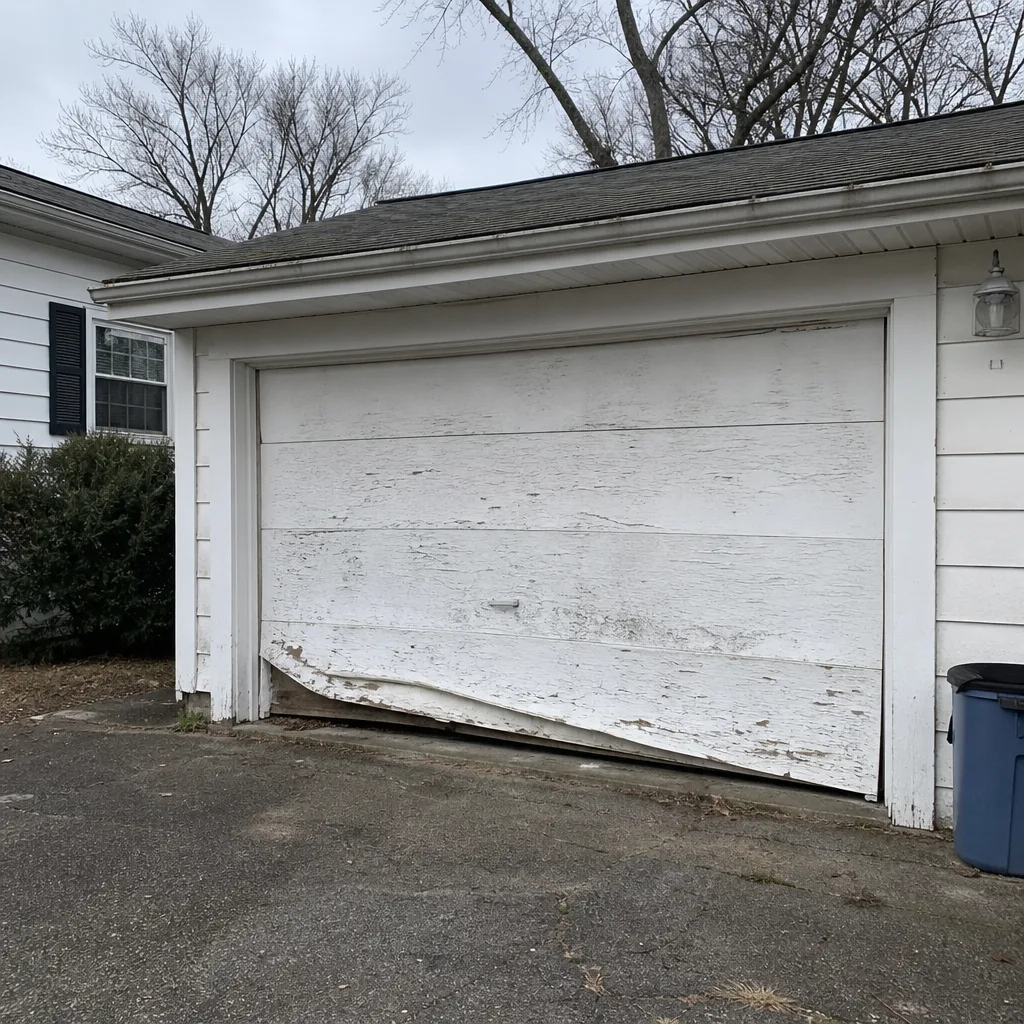 Before
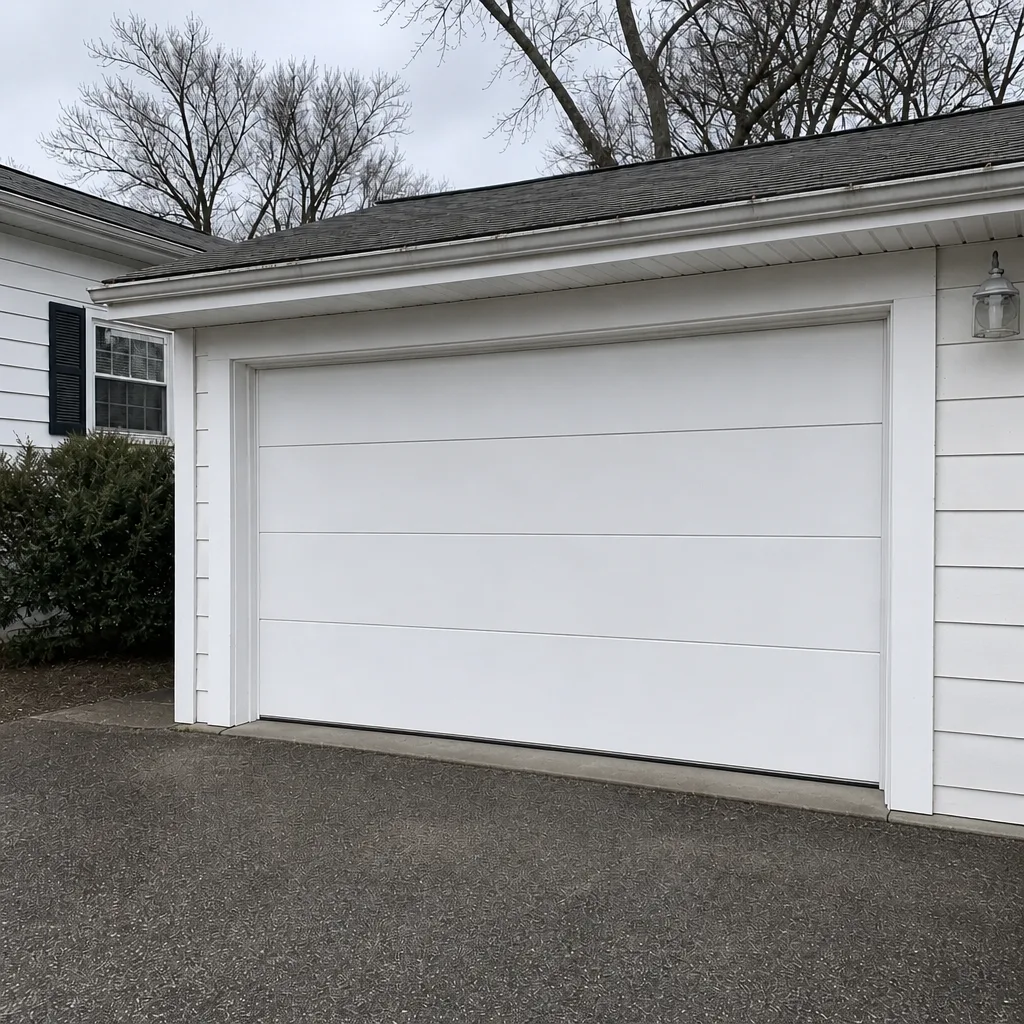 After
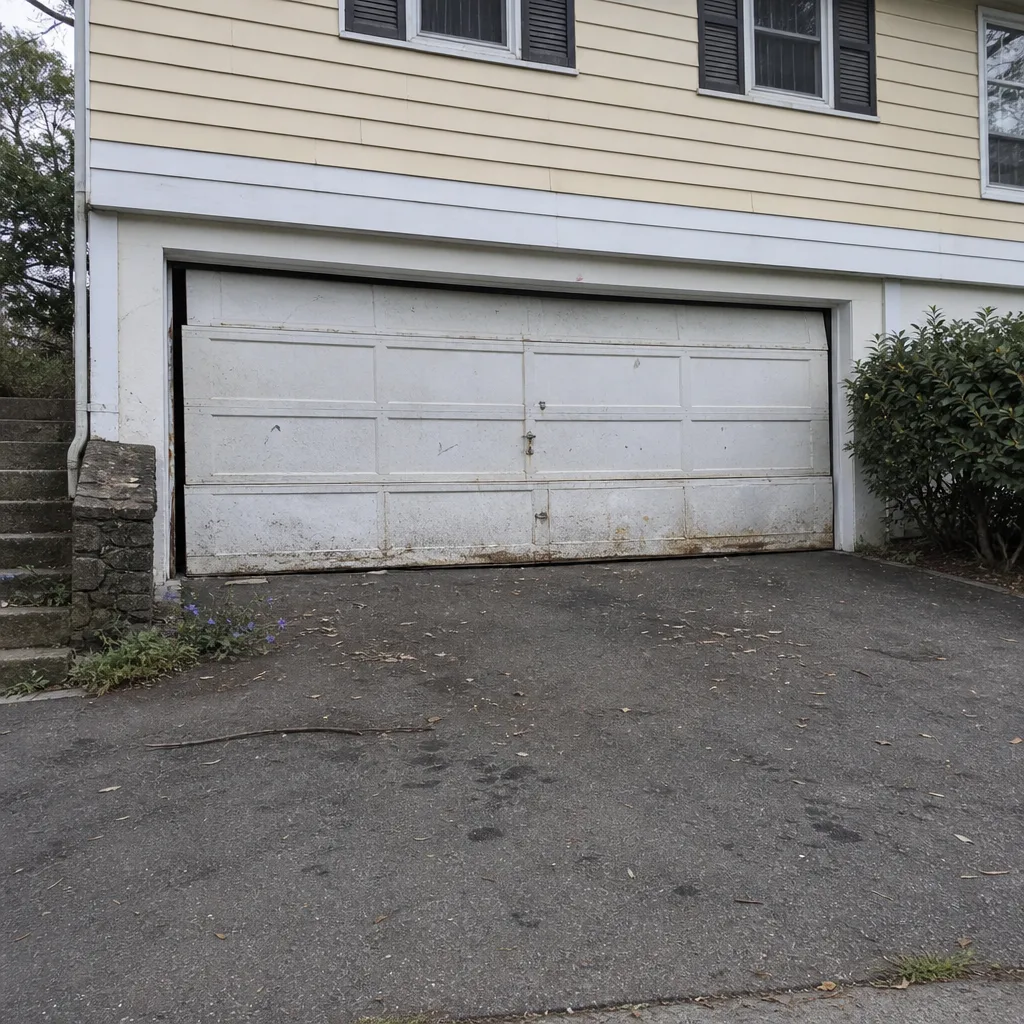 Before
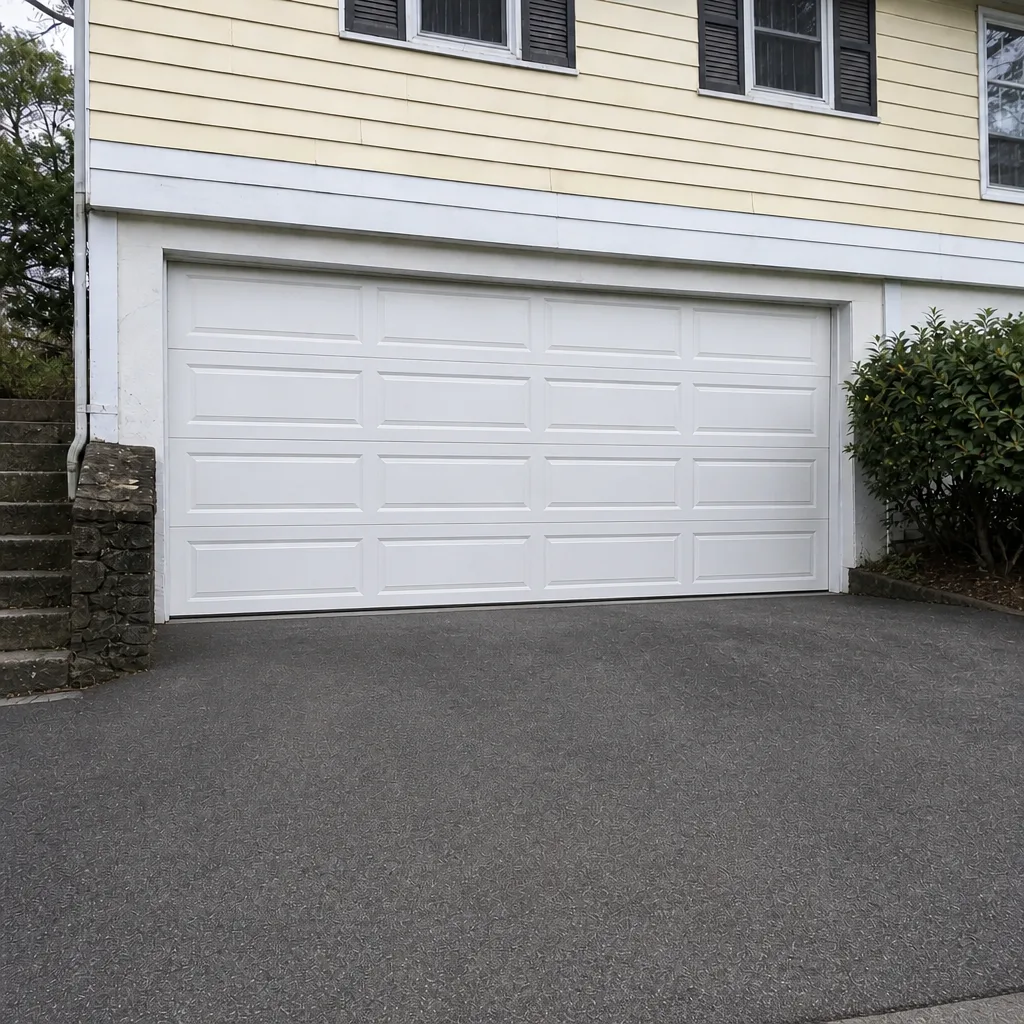 After
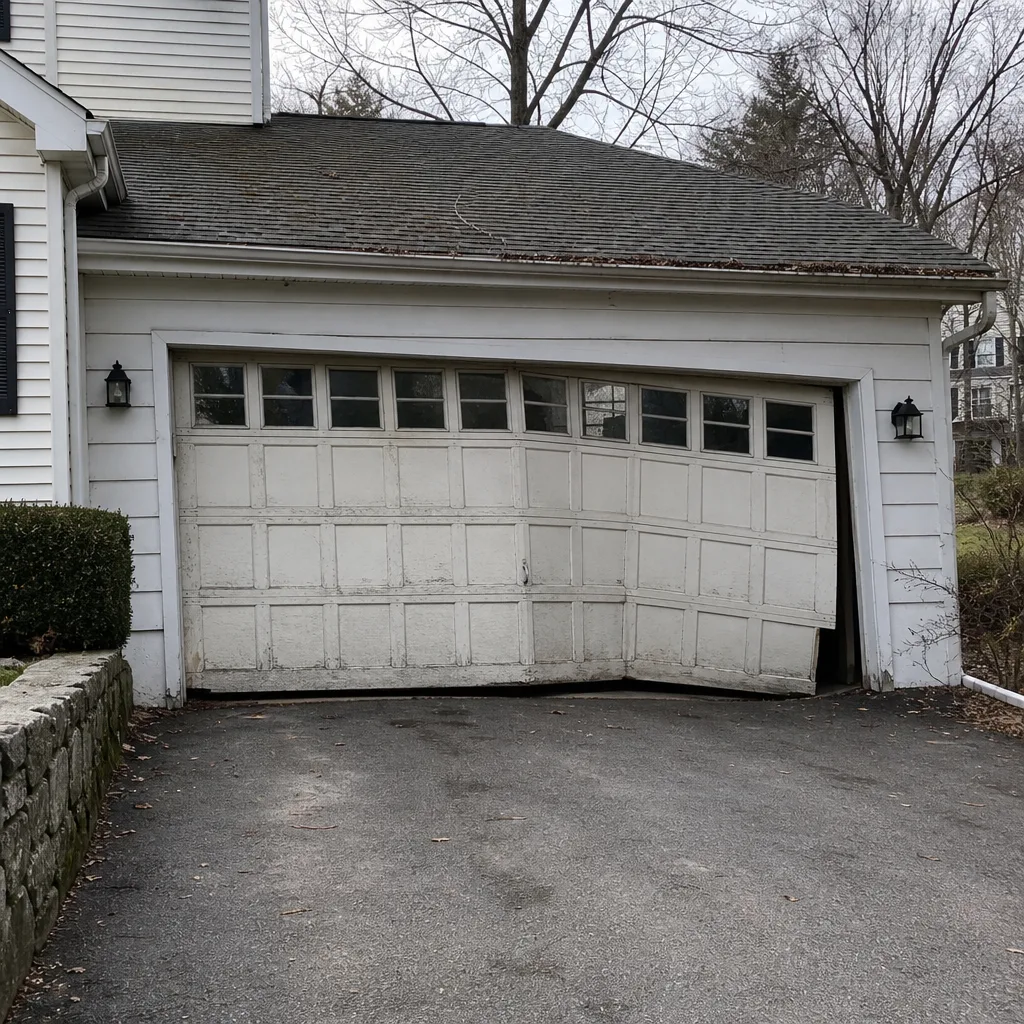 Before
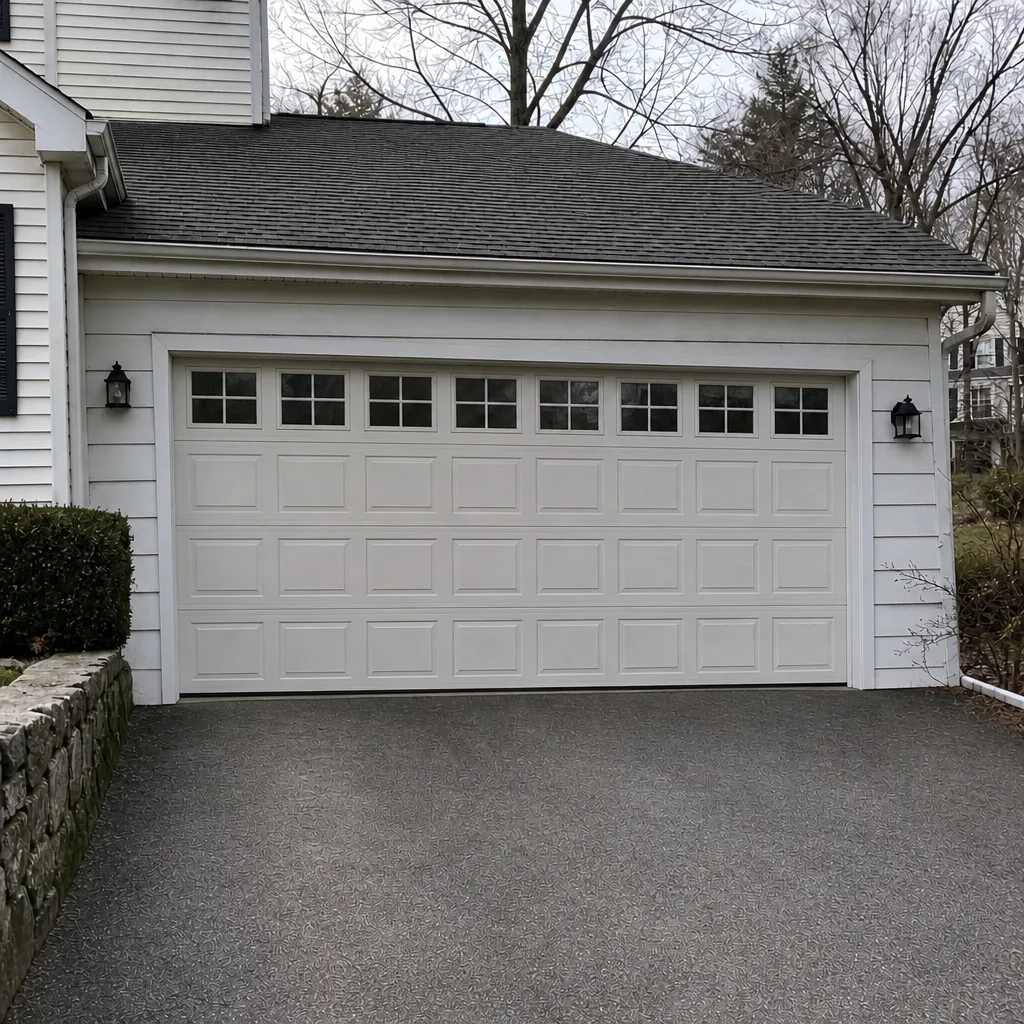 After
When to Call a Professional
Call a technician when the door won’t balance on its own, when you see a hairline crack in a torsion spring, when a cable is rusted or frayed, when the opener reverses halfway through a cycle, or when panels have visibly bent or separated. Any of these can lead to a bigger failure or a safety problem if left alone. For emergencies – a door that won’t close, a snapped spring, a car trapped inside – our Greenwich Garage Door Repair line is answered 24/7, with fast dispatch from 7am to 7pm, Sunday through Friday. Same-day repair is often possible. Greenwich Garage Door Repair offers free estimates in Greenwich – call (866) 947-9299, and the price is quoted and agreed before any work starts.
Frequently Asked Questions
Twice a year: a fall tune-up in October and a spring tune-up in April. Those two visits carry most of the load. Between them, monthly visual checks of the seal, hinges, and spring are enough. A door that gets the twice-yearly tune-up rarely needs unexpected repair.
A frozen bottom seal is the usual culprit – the rubber bonds to cold concrete or ice. The fix is to disconnect the opener and gently break the bond with a plastic scraper and warm (not hot) water. Treating the seal with silicone spray before the freeze prevents the bond. Call (866) 947-9299 if the opener has already strained trying to lift a stuck door.
No. Torsion springs hold enough stored energy to cause serious injury, and cold weather makes the metal more brittle. Adjusting spring tension is a job for a trained technician with the right winding bars. We include a safety check as part of every spring service.
The panels have swollen from humidity and are pressing against the tracks. The fix is to adjust the track spacing slightly, not to force the door. A technician can widen the vertical tracks and confirm the horizontals are parallel – usually a quick job that prevents long-term panel damage.
Not a different schedule, but a different set of checks. Smart openers need their force and limit settings verified each season, and the Wi-Fi connection can drift. The mechanical maintenance – lubrication, safety reverse test, balance check – is the same as any other opener.
Greenwich Garage Door Repair handles seasonal tune-ups, spring replacement, opener repair, and full door installation across Greenwich. Call (866) 947-9299 for a free estimate. We answer 24/7, and dispatch runs 7am to 7pm, Sunday through Friday.
The Bottom Line
Garage door care in Greenwich isn’t a single task – it’s four seasons of small adjustments that keep a door working through the year. Fall tightening prevents winter failures. Winter seal care prevents spring damage. Spring inspections catch corrosion and cracked springs before they become dangerous. Summer track adjustments stop wood doors from binding. The October tune-up is the one that pays for itself most reliably, because the failures that show up in January are almost always set up in September and October. If you want a seasonal check done right, call (866) 947-9299 for a free estimate. We answer 24/7, with fast dispatch from 7am to 7pm.
Written by the team at Greenwich Garage Door Repair.