
Last updated November 24, 2026
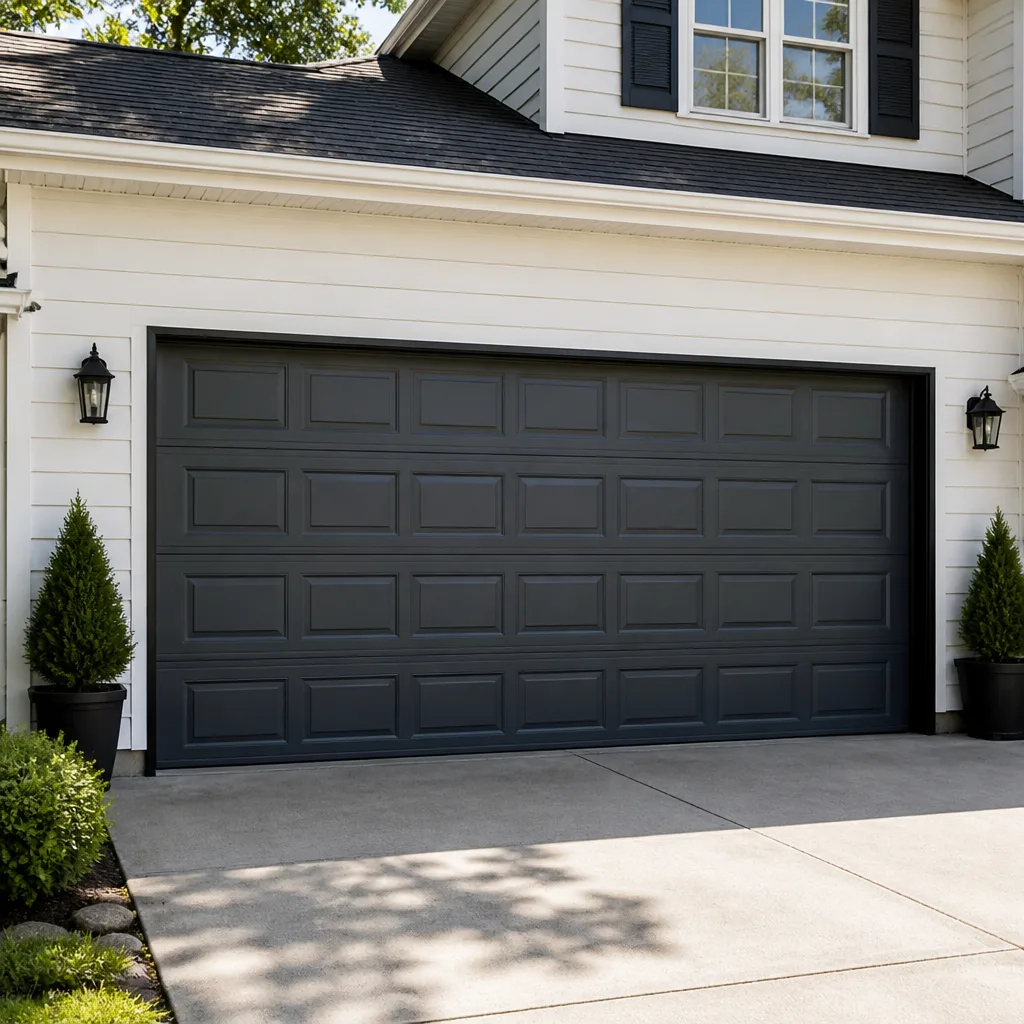 Raised-panel steel
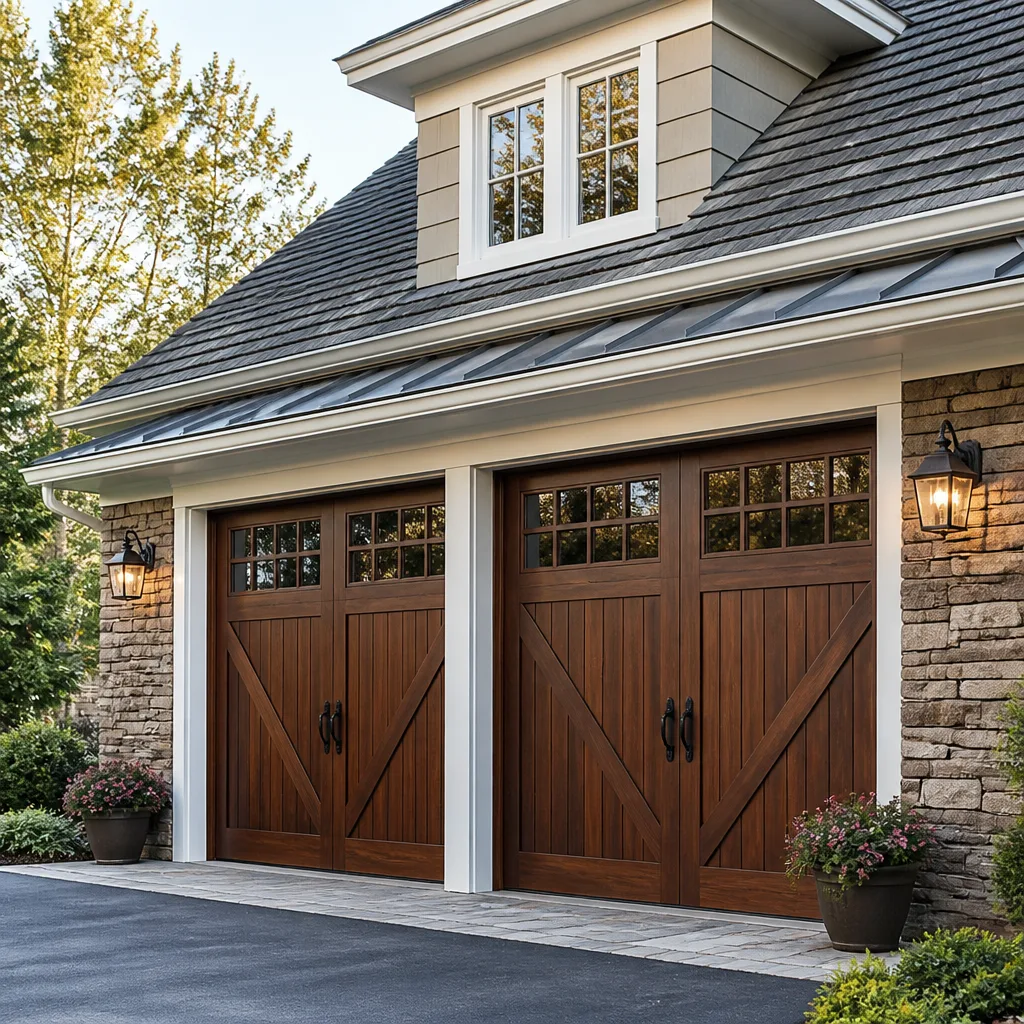 Carriage house
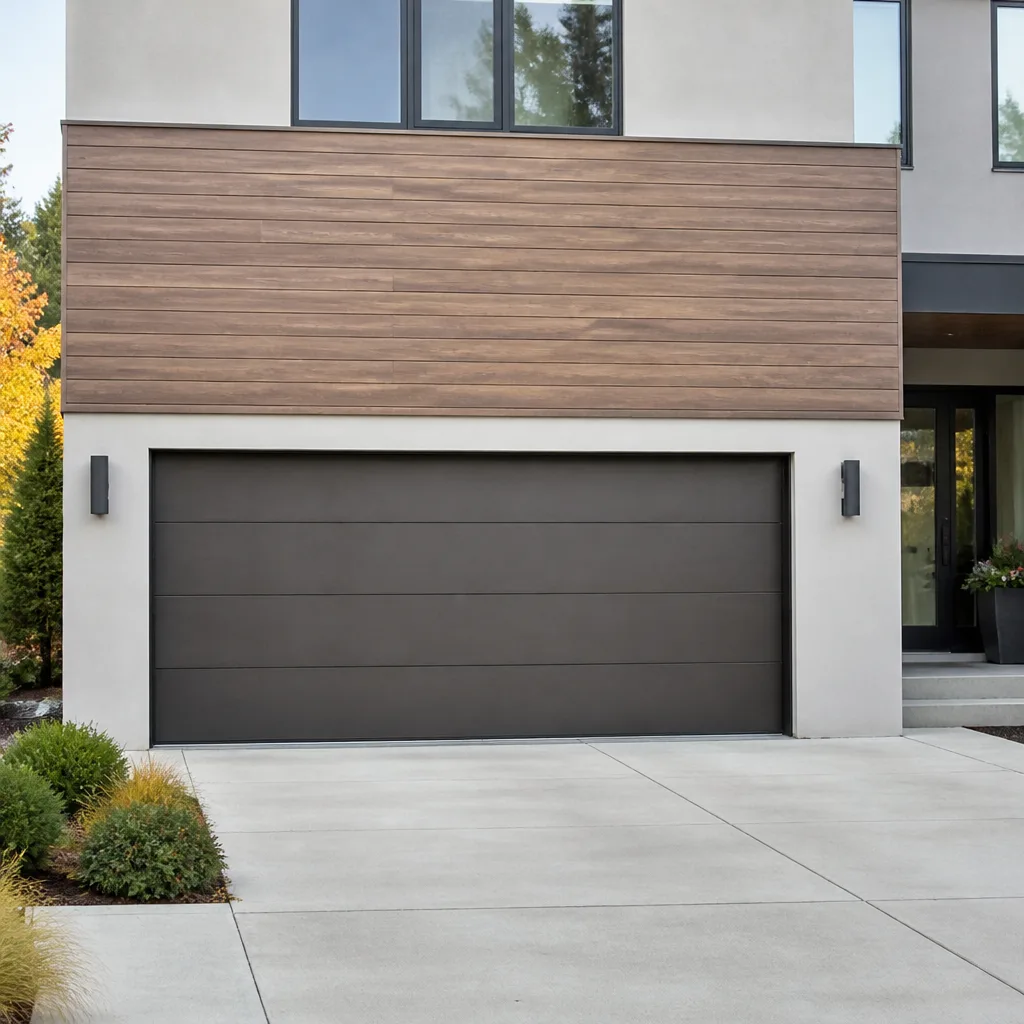 Modern flush
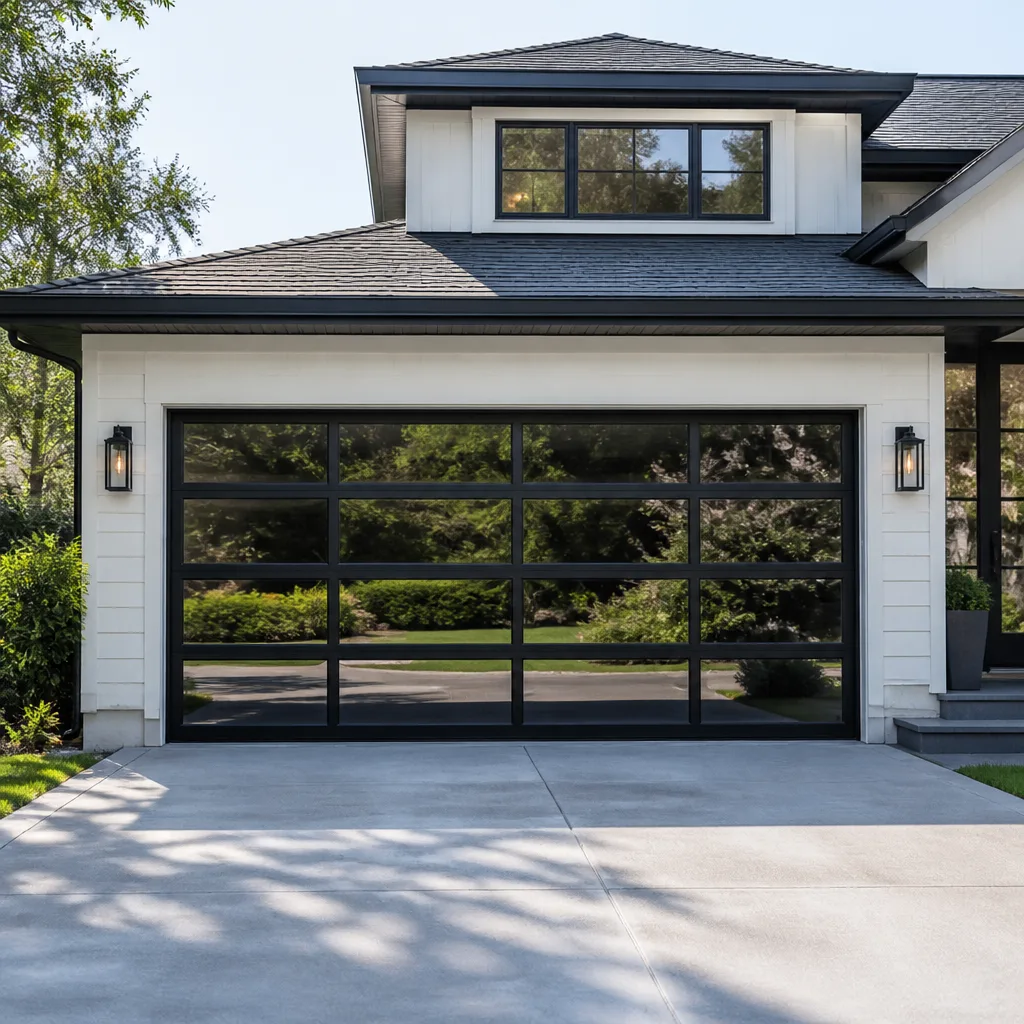 Full-view glass
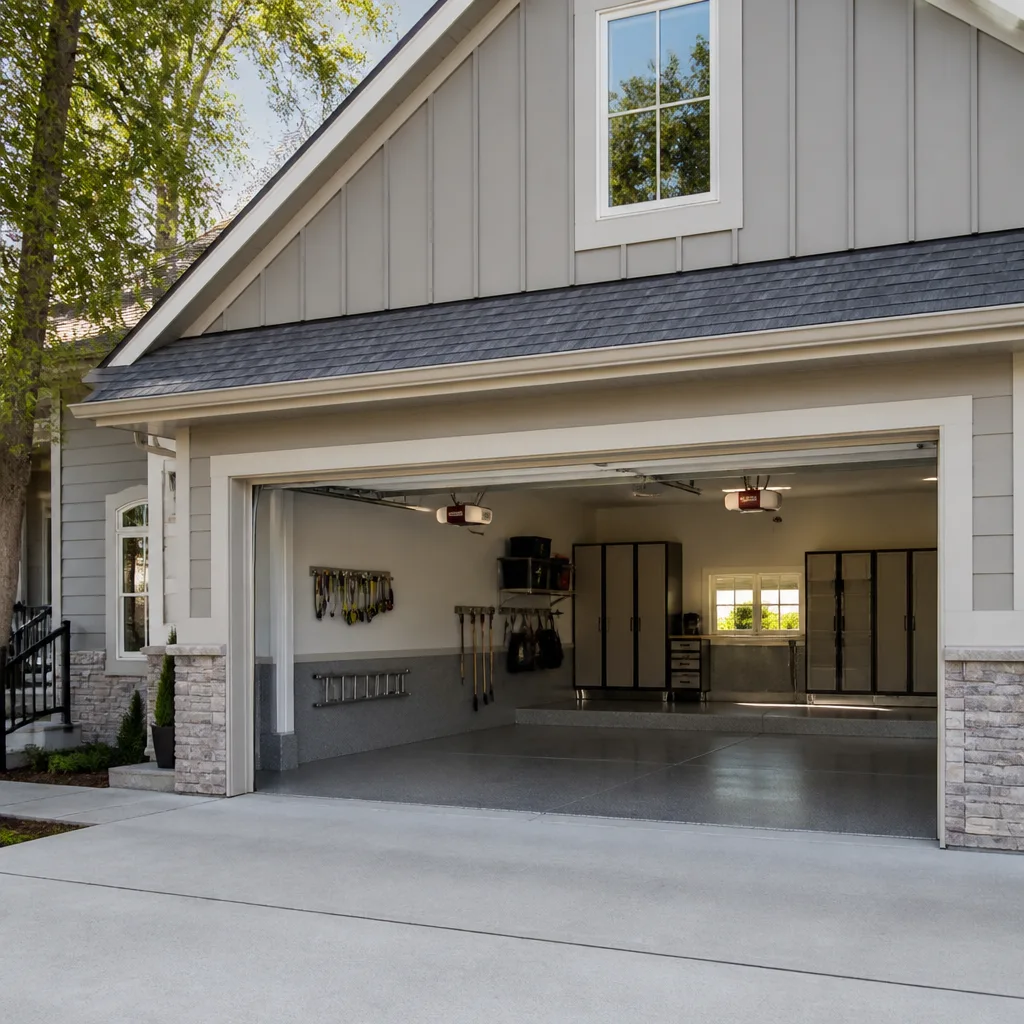 LiftMaster openers
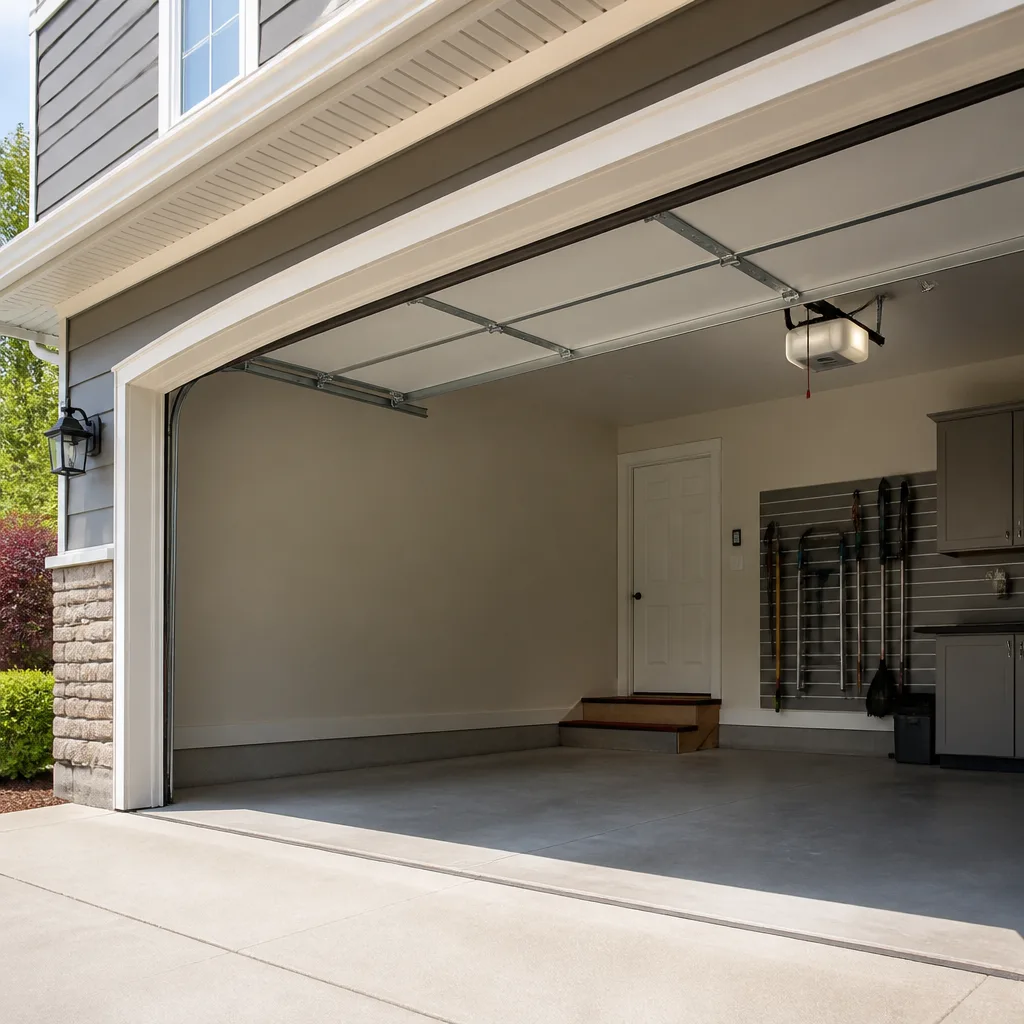 Chamberlain openers
Full 25-point door and opener safety check with every visit - springs, cables, rollers, tracks, and your LiftMaster or Chamberlain opener included
You get a price before we start. It does not change when the pro arrives.
Get your free estimateDIY vs Professional Garage Door: The Greenwich Homeowner’s Decision Guide
Most homeowners frame the DIY question as money versus risk. That’s the wrong lens. The better framework is parts knowledge, liability exposure, and warranty preservation – three things a Greenwich homeowner has more to lose on than the average online DIY guide admits. Replacing a torsion spring is legal and physically possible, and it’s also the task that sends roughly 30,000 people to emergency rooms each year. Your homeowner’s policy may not cover an injury if the work wasn’t done by a licensed contractor. This guide walks through, task by task, what’s a reasonable job to take on and what isn’t, from a company that works on garage doors in Greenwich every week. You’ll learn where DIY genuinely saves money and where it quietly costs more.
Quick Answer
For most Greenwich homeowners, DIY is safe and sensible for weatherstripping, lubrication, sensor alignment, and cosmetic upkeep. Anything involving torsion springs, cable drums, or opener wiring belongs with a trained technician. Springs and cables store enough energy to cause serious injury, and DIY work on them can void the door and opener warranty while exposing you to liability if the door later fails and hurts someone. If the repair touches the lifting mechanism or the electrical side, call a professional.
Styles & brands we work with
- Raised-panel steel
- Carriage house
- Modern flush
- Full-view glass
- LiftMaster openers
- Chamberlain openers
Table of Contents
- Task-by-Task: What DIY Handles and What It Doesn’t
- Why Torsion Springs and Cables Are Off-Limits
- How DIY Work Can Void Your Door and Opener Warranty
- Connecticut Liability If a DIY Door Fails
- The Hidden Cost of DIY: Tools, Retries, and Fixing Botched Work
- Opener Wiring and Smart-Home Upgrades in Greenwich Homes
- One Case Where DIY Genuinely Makes Sense
- Greenwich Homes, Seasons, and Door Wear
Task-by-Task: What DIY Handles and What It Doesn’t
Let’s be specific. A garage door is a system with moving parts, stored energy, and electrical components. Some of those tolerate a careful homeowner. Others don’t. Here’s the split we use when a homeowner asks us what they can reasonably do themselves.
Safe for a competent DIYer
- Weatherstripping replacement – the rubber seal along the bottom and sides. It pulls out, the new one slides in, no tension involved.
- Lubrication – a proper garage door lubricant on rollers, hinges, and the track. Avoid grease that attracts grit.
- Safety sensor alignment – the two small sensors near the floor need a clear line of sight. Wiping the lenses and nudging them back into alignment is routine.
- Track wiping and debris removal – keeping the track clear of leaves and grit.
- Cosmetic panel replacement – swapping a dented steel panel on a door that’s still structurally sound and under warranty, if the manufacturer allows homeowner installation.
- Remote and keypad programming – following the manual for a LiftMaster or Chamberlain opener.
Belongs with a trained technician
- Torsion spring replacement – the spring above the door stores enormous energy. This is the single most dangerous garage door task.
- Extension spring and cable work – cables are under tension and can whip if released incorrectly.
- Cable drum and bearing plate replacement – tied directly to the lifting mechanism.
- Opener wiring and circuit board work – mains electricity plus low-voltage logic.
- Panel replacement on a structurally compromised door – if the door is out of alignment, a new panel won’t fix it and can make it worse.
In our experience, the tasks on the second list are the ones homeowners attempt once and then call us to finish. If it’s on that list, a garage door repair visit is the smarter spend.
Why Torsion Springs and Cables Are Off-Limits
Torsion springs hold the entire weight of the door. When a spring is under tension, it’s storing enough force to break bones or worse if it releases suddenly. That’s a factual description of how the mechanism works, not a scare tactic. This is exactly why spring work is a dedicated service that many general handymen decline.
The specific danger isn’t the spring itself while it’s intact. It’s the winding process. Springs are wound with steel bars, and the bars are inserted into the winding cone and turned to set tension. If a bar slips or a spring fails mid-wind, the energy releases fast. A broken spring isn’t the only hazard either. Cables run under tension alongside the springs, and a cable that snaps or is released under load can cause serious injury.
Here’s what to check instead of what to do:
- Look at the spring above the door. A clean gap in the coil means it’s broken. Don’t touch it. Don’t try to lift the door manually and hold it open with a prop.
- Listen for the sound. A loud bang from the garage, followed by a door that won’t lift, usually means a broken spring.
- Check the door balance by hand only if the door moves freely. If it feels heavy or fights you, stop.
- Call a technician for anything that involves the spring, cable, or drum. That’s the safest call you’ll make all week.
Greenwich Garage Door Repair treats spring work as its own discipline. If you need garage door spring repair, a trained technician handles it. Our technicians have up to 8 years of experience with these mechanisms. We answer 24/7, and fast dispatch from 7am to 7pm means a broken spring doesn’t have to keep your car trapped for a day.
How DIY Work Can Void Your Door and Opener Warranty
This is the part most DIY guides skip. Garage door manufacturers write warranty clauses that specifically exclude improper installation and unauthorized repair. Clopay, Amarr, Wayne Dalton, and Raynor all publish warranty terms, and the language usually runs something like: the warranty does not cover damage or failure caused by improper installation, alteration, or repair by anyone other than an authorized installer. Opener makers like LiftMaster and Chamberlain use similar language – the warranty covers defects in materials and workmanship, not damage from incorrect installation or service.
What that means in practice:
- A DIY spring swap can void the lift-mechanism warranty on a door that would otherwise still be covered.
- A DIY opener install with incorrect wiring can void the opener warranty.
- Improper panel replacement can void a finish or cosmetic warranty if the panel wasn’t installed to spec.
- Unauthorized repairs during the warranty period may leave you paying for a replacement the manufacturer would have covered.
We work on eight major brands – LiftMaster, Chamberlain, Genie, Clopay, Amarr, Wayne Dalton, Craftsman, and Raynor – and part of the job is knowing which parts are under warranty and which aren’t. That knowledge is worth having before you pick up a tool.
Connecticut Liability If a DIY Door Fails
Here’s a scenario worth thinking through. You replace a spring yourself. Months later, the door fails and injures a family member, a guest, or a delivery driver. Your homeowner’s policy may or may not cover that injury, depending on the policy language and on whether the work was done by a licensed contractor. That’s not a hypothetical we invented – it’s the kind of question a claims adjuster asks when something goes wrong.
What makes this sharper in Connecticut is that garage doors face real seasonal stress. Summer humidity and winter freeze-thaw cycles work on metal, wood, and rubber. A door that seemed fine in July can behave differently in January. A door balanced and tensioned by someone who knows the mechanism holds up better through those swings.
There’s also the resale consideration. When you sell a Greenwich home, the inspection covers the garage door and opener. A record of professional service makes that conversation much easier.
The Hidden Cost of DIY: Tools, Retries, and Fixing Botched Work
DIY looks cheaper on paper. The math gets harder when you count what actually happens.
- Tool rental – winding bars, a torque wrench, a ladder rated for the job. Some tools you’ll use once.
- Second-attempt parts – ordering the wrong spring size, then the right one, then a cable you didn’t count on.
- The cost of fixing a botched job – a technician quote to correct a half-finished repair is typically higher than the original repair would have been, because we’re now undoing work and re-doing it.
- Lost time – a weekend spent on a spring swap that ends with the car stuck in the driveway.
- Door damage – an improperly tensioned spring can strain the opener and the door panels, creating a second repair.
None of those costs is a line item in the online DIY guide. They show up later, and they show up in Greenwich like anywhere else. The honest comparison is DIY materials plus tools plus time plus risk against a written professional estimate. If you’d like that written estimate, call (866) 947-9299.
Opener Wiring and Smart-Home Upgrades in Greenwich Homes
Opener work divides the same way spring work does. Programming a remote or keypad, replacing batteries, and reconnecting a Wi-Fi opener to a home network are all reasonable DIY. Running new wiring to an opener, replacing a circuit board, or converting a legacy Craftsman or Genie opener to a modern smart-home platform is not.
Why the line falls there:
- Mains electricity is involved. Opener wiring connects to household electrical circuits, and a mistake can trip a breaker, damage the opener, or create a shock hazard.
- Low-voltage logic is still logic. Modern LiftMaster and Chamberlain openers use safety sensors, logic boards, and sometimes battery backup. A wiring mistake can leave the safety reverse feature inoperable, which is a safety issue, not a convenience one.
- Older homes need judgment. A Greenwich home with an original legacy opener may have wiring that doesn’t match a modern upgrade. A technician who’s familiar with the brand can tell you what the door will accept.
We handle garage door opener repair across LiftMaster, Chamberlain, Genie, and Craftsman. If your opener is making a grinding noise, reversing for no reason, or failing to close all the way, that’s a technician call. If it’s a remote that won’t pair, start with the manual.
One Case Where DIY Genuinely Makes Sense
We’re not going to tell you every garage door task needs a professional. It doesn’t. The clearest case for DIY is cosmetic panel replacement on a door that is structurally sound and still under its structural warranty. If the door opens and closes smoothly, the springs and cables are intact, and a single steel panel has a dent or a scrape, replacing that panel is a reasonable homeowner job – provided the manufacturer’s warranty allows homeowner installation.
Before you start, check three things:
- Read the warranty. Clopay, Amarr, Wayne Dalton, and Raynor each publish terms that say whether a homeowner can replace a panel without voiding coverage.
- Confirm the door is structurally sound. If the door is leaning, binding, or the springs look worn, fix that first. A new panel on a failing door is money wasted.
- Match the panel exactly. Door panels are matched to model and finish. Order the wrong one and you’ll have a color mismatch or a gap.
That’s the DIY case we’d endorse. The rest of the list – springs, cables, drums, wiring – is where a technician is the right call.
Greenwich Homes, Seasons, and Door Wear
Garage doors are exposed to the weather on one side of the house, every day. In Greenwich, that means hot, humid summers and cold, variable winters. The seasonal swing stresses metal springs, rubber seals, and wooden doors. Rust shows up on tracks and hinges after a humid stretch. Weatherstripping dries out and cracks. Springs can weaken over time, and a spring that’s marginal in autumn may be a broken spring by January.
A simple seasonal check goes a long way:
- After a dry spell, oil the moving parts. Rollers, hinges, and the track get lubricated.
- In early winter, look at the seals. Cracked weatherstripping lets cold air and water in.
- Once a year, watch the door open and close. Look for hesitation, uneven travel, or reverse-on-close issues.
Greenwich Garage Door Repair covers general repair, opener repair, spring repair, full installations, and emergency service. If you’re not sure which category your issue falls into, our team can take a look. We’re a Greenwich Garage Door Repair team that works with your brand, not against it.
Common Mistakes to Avoid
- Winding a torsion spring without the right bars and training. Springs store energy that can injure you seriously. The bars slip, and the release is instantaneous. This is the mistake that sends thousands of people to the ER each year.
- Using the wrong lubricant on the track. Grease attracts grit, and grit wears rollers. A garage door lubricant does the job; a household oil or WD-40 on the track doesn’t.
- Ignoring the safety reverse test. The bottom-of-travel reverse is the door’s most important safety feature. Test it monthly – place an object in the path and confirm the door reverses. If it doesn’t, stop using the door.
- Ordering a spring by sight. Springs are matched by diameter, wire gauge, and length. A spring that looks close can leave the door unbalanced and strain the opener. Greenwich homes have a range of door sizes, and the wrong spring shows up as uneven travel and a struggling motor.
- Doing recovery work on a door that’s already out of balance. If the door binds or fights you, stop and call a technician. Forcing it causes panel and track damage.
- Forgetting the warranty clause. A DIY repair isn’t a problem until the manufacturer declines a claim because the work wasn’t done by an authorized installer. Read the terms before you start.
- Assuming a smart-home upgrade is plug-and-play. Connecting a modern opener to older home wiring is electrical work, and the safety sensor wiring is part of that job.
See the difference
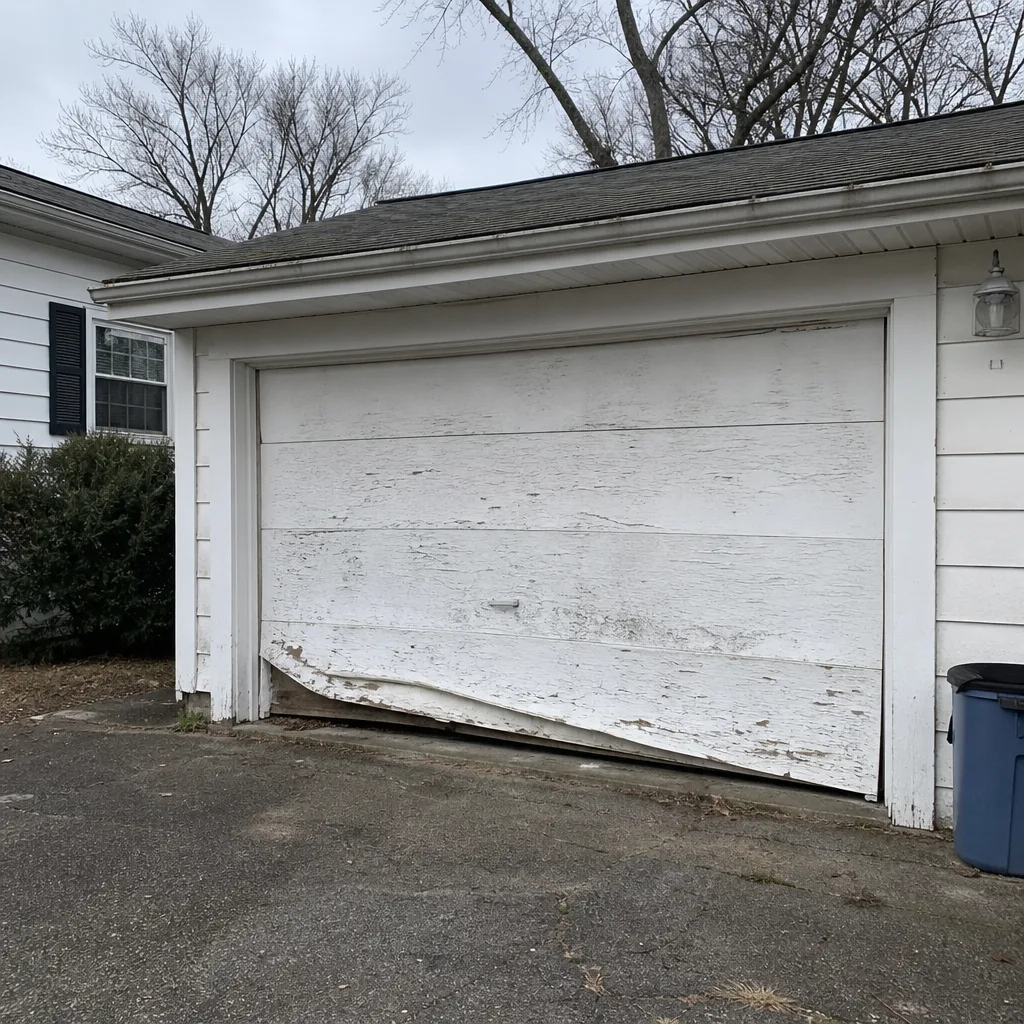 Before
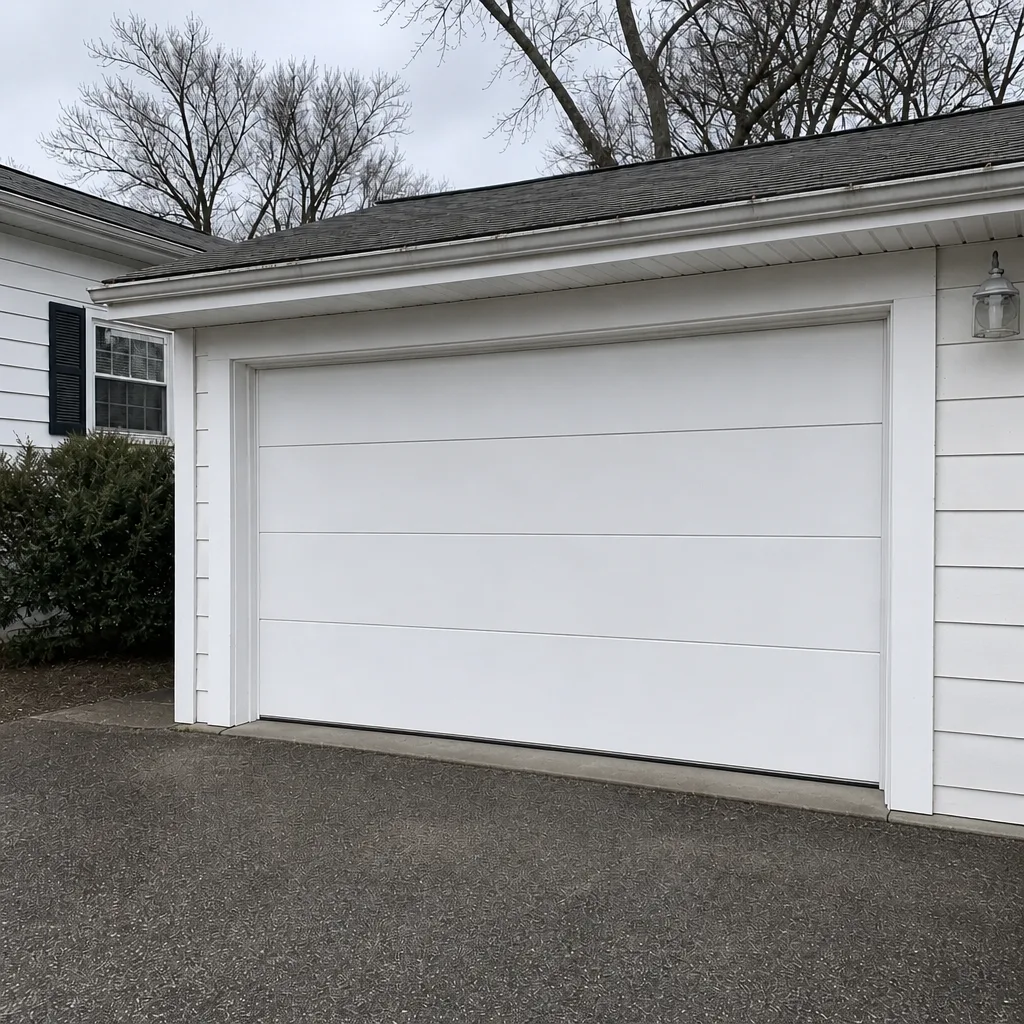 After
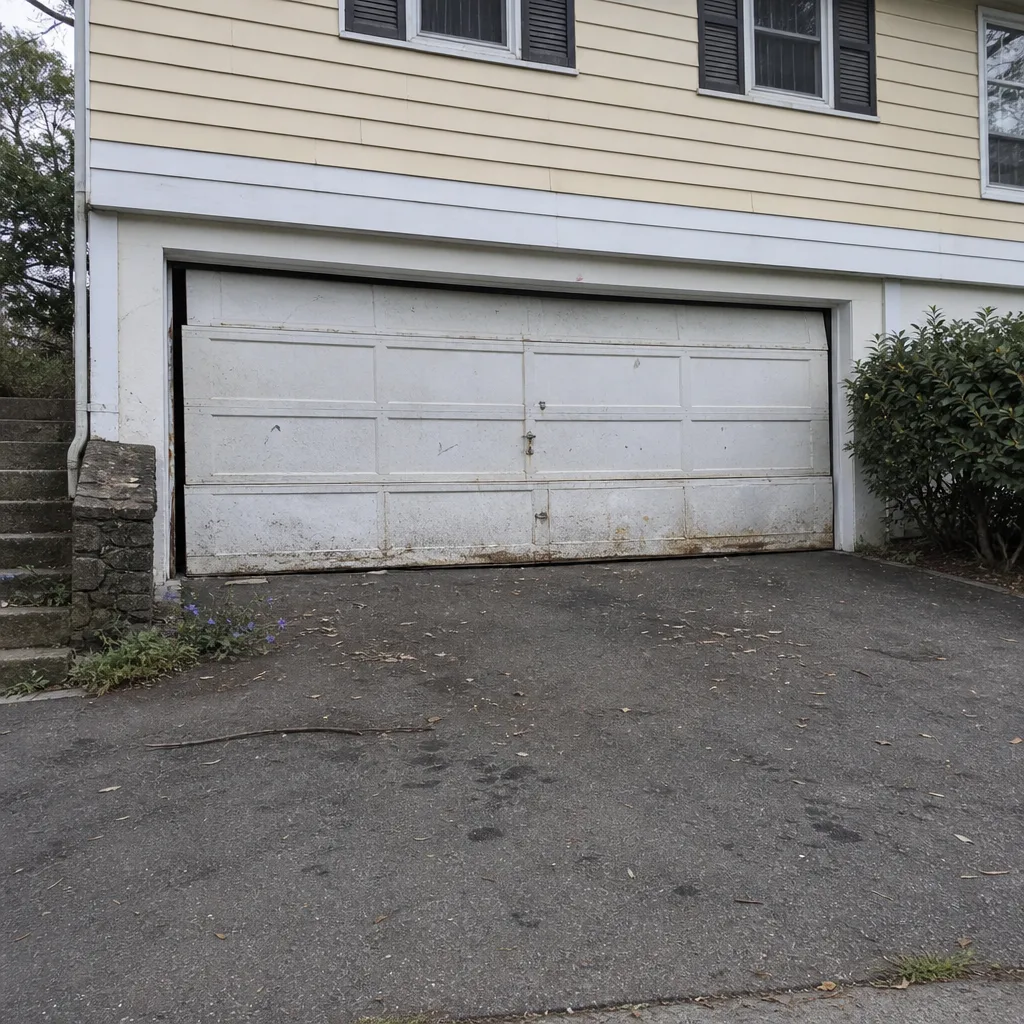 Before
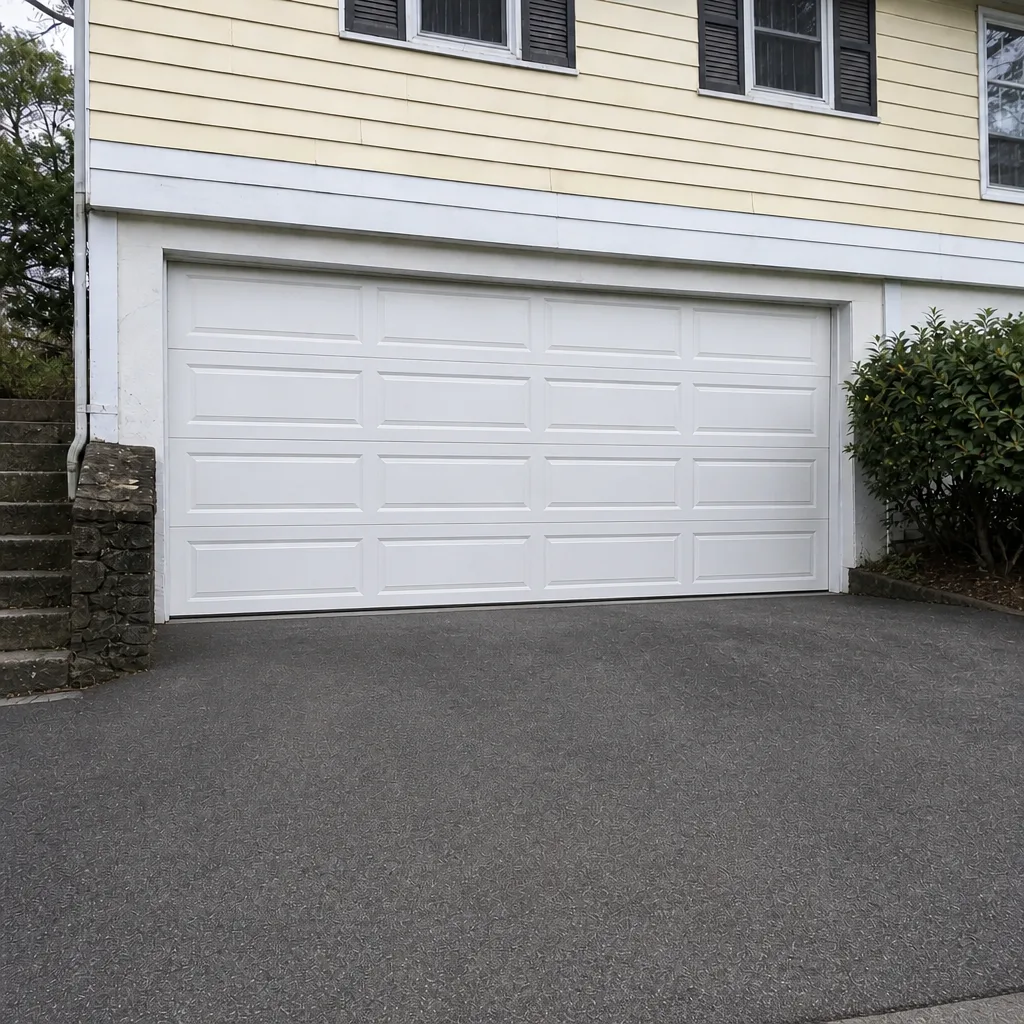 After
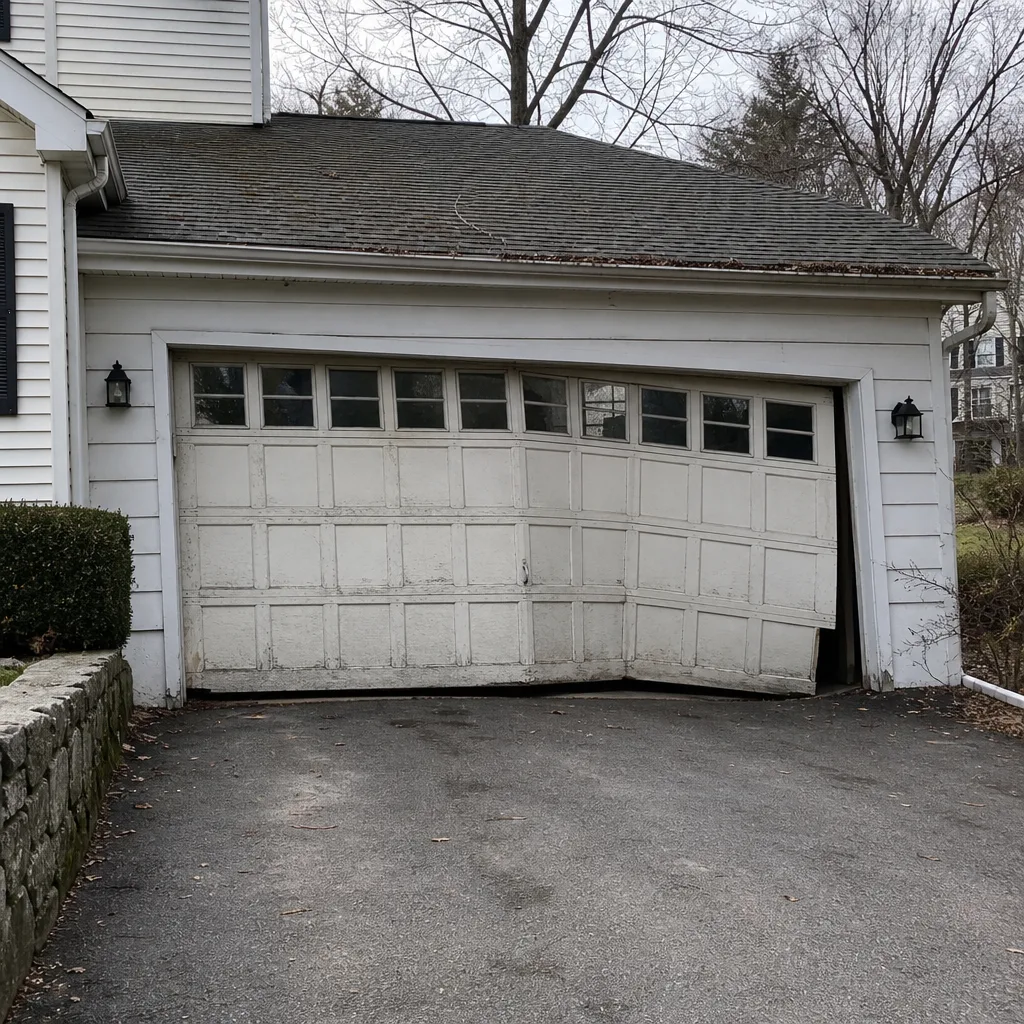 Before
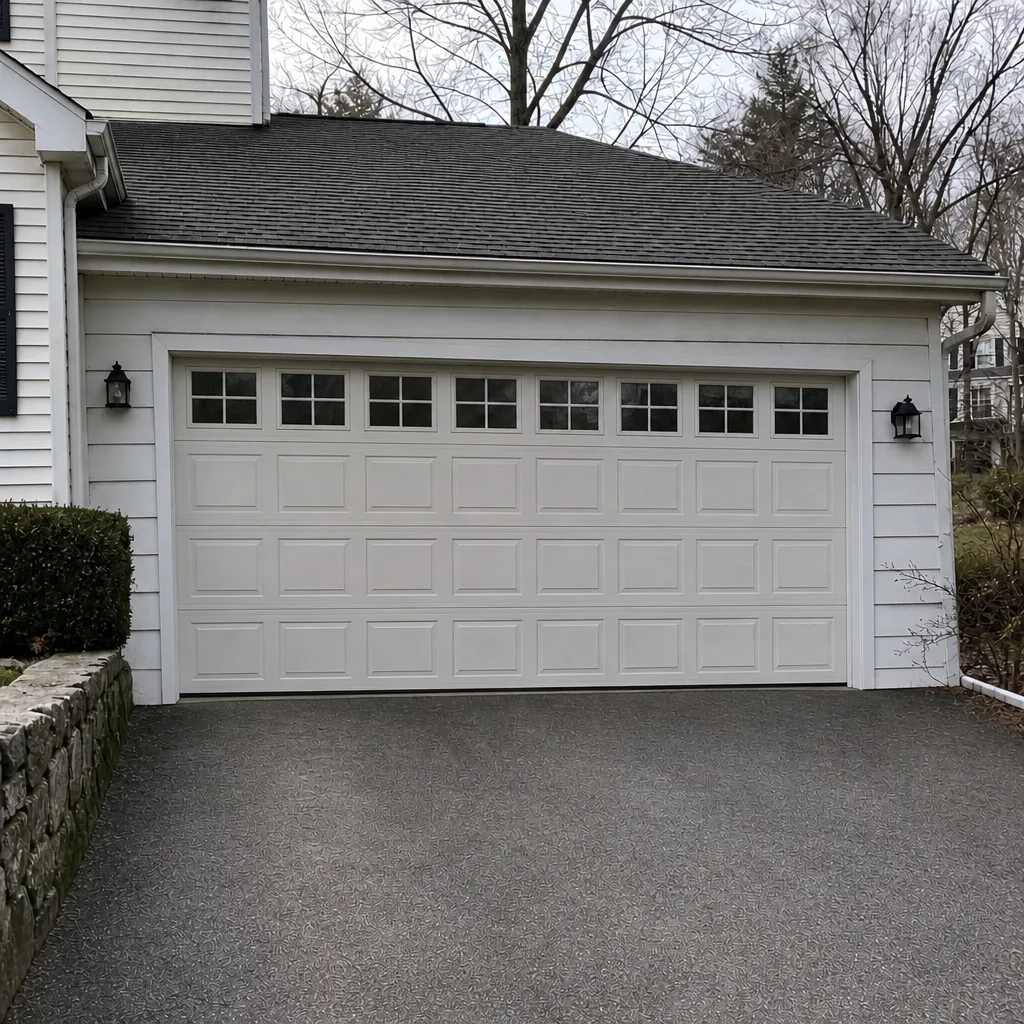 After
When to Call a Professional
Call a technician when a spring is broken, when the door has dropped and won’t lift, when the cables look slack or frayed, when the opener is making a grinding noise or reversing for no clear reason, or when the door is binding in the track. Those are the situations where the cost of a professional repair is lower than the cost of a mistake. In Greenwich, Greenwich Garage Door Repair offers free estimates. Call (866) 947-9299. We answer 24/7. Fast dispatch from 7am to 7pm, Sunday through Friday. The price is set per job by a written estimate, and the estimate is free before any work starts.
Frequently Asked Questions
It’s legal and physically possible, but it’s the one task we don’t recommend. Torsion springs store enough energy to cause serious injury when they release during winding, and an improvised tool can slip. A trained technician with the right bars, the right spring spec, and the right balance procedure is the safer call. If your spring is broken, call (866) 947-9299 for an estimate. Estimates are free.
It can. Clopay, Wayne Dalton, Amarr, Raynor, and most opener makers exclude improper installation or unauthorized repair from their warranty coverage. Read the warranty terms before you start, especially on spring and opener work. If you’re unsure whether a repair is covered, ask the manufacturer or have a technician look first.
No. A door with a broken spring is being held by the opener and gravity, not by the spring. Don’t force it open, don’t prop it, and don’t park under it. Call a technician. We answer 24/7 and dispatch Sunday through Friday, 7am to 7pm.
Every job is priced separately after a technician sees the door, and the written estimate sets the final price. A free estimate is the honest way to answer a cost question, because a spring, cable, panel, and opener repair are different jobs with different parts. Call (866) 947-9299 to book one.
We don’t recommend it. A new door involves panels, tracks, torsion springs, and opener wiring, all of which need to be correctly aligned and tensioned. A professional installation protects the warranty on a door from Clopay, Amarr, Wayne Dalton, or Raynor. Call for a free estimate.
Yes. Emergency service is a core offering, not a side line. We answer 24/7, and fast dispatch from 7am to 7pm runs Sunday through Friday. We’re closed Saturday, so a call then is booked into the next opening on Sunday. Call (866) 947-9299.
The Bottom Line
DIY vs professional isn’t really a money question. It’s a parts, liability, and warranty question. Weatherstripping, lubrication, sensor alignment, and cosmetic panel replacement on a sound door are reasonable homeowner jobs. Torsion springs, cables, drums, and opener wiring are where the risk, the warranty clause, and the Connecticut liability exposure all point the same way. When in doubt, get a free written estimate and let a trained technician handle the part that can hurt you. Greenwich Garage Door Repair works on LiftMaster, Chamberlain, Genie, Clopay, Amarr, Wayne Dalton, Craftsman, and Raynor. Call (866) 947-9299 for a free estimate. We answer 24/7. Fast dispatch from 7am to 7pm, Sunday through Friday.
Written by the team at Greenwich Garage Door Repair.