
Last updated November 24, 2026
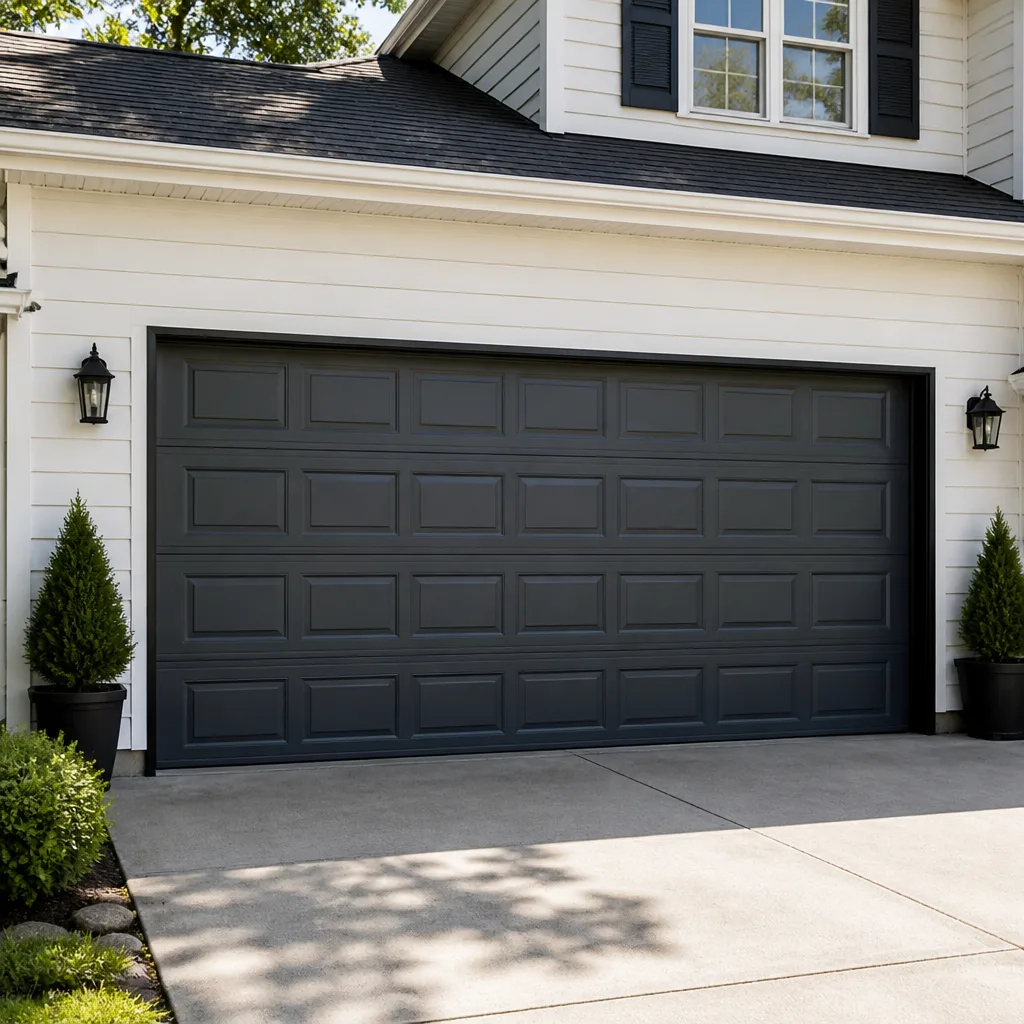 Raised-panel steel
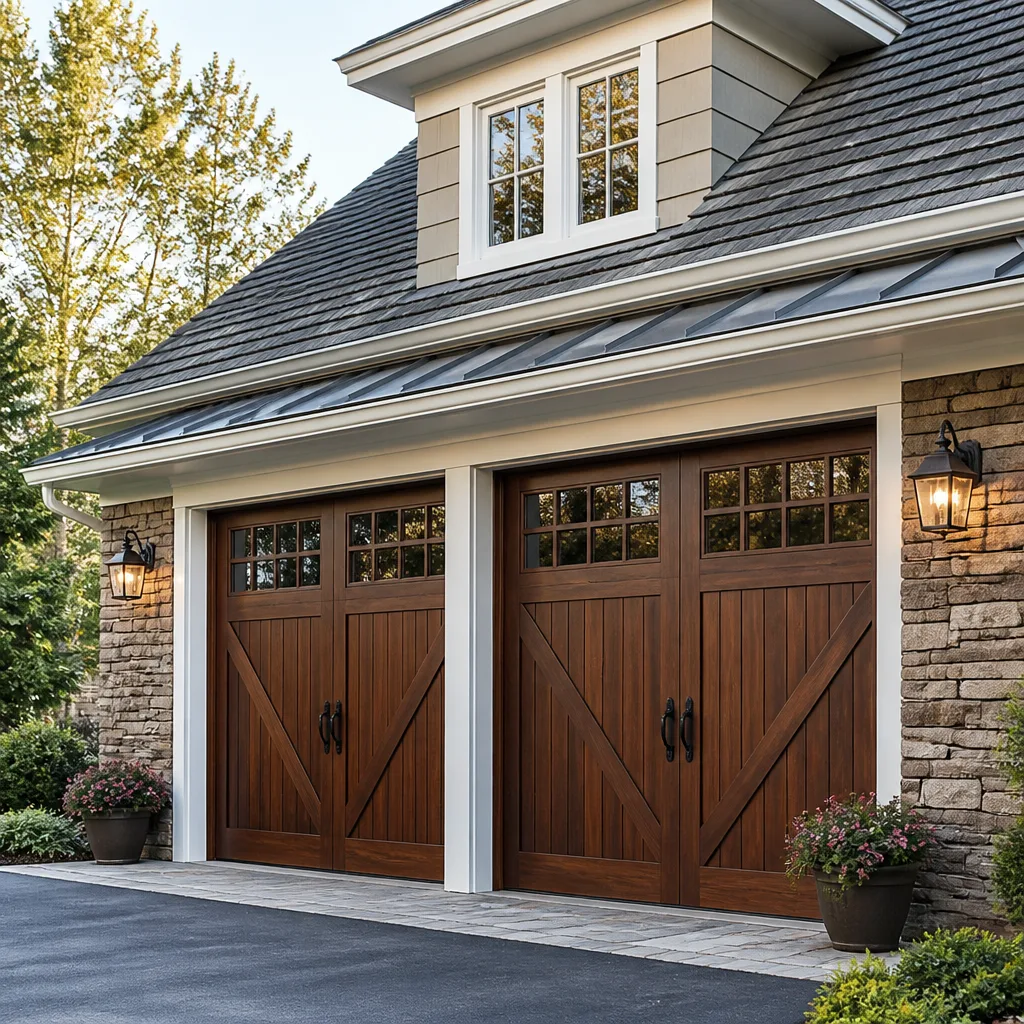 Carriage house
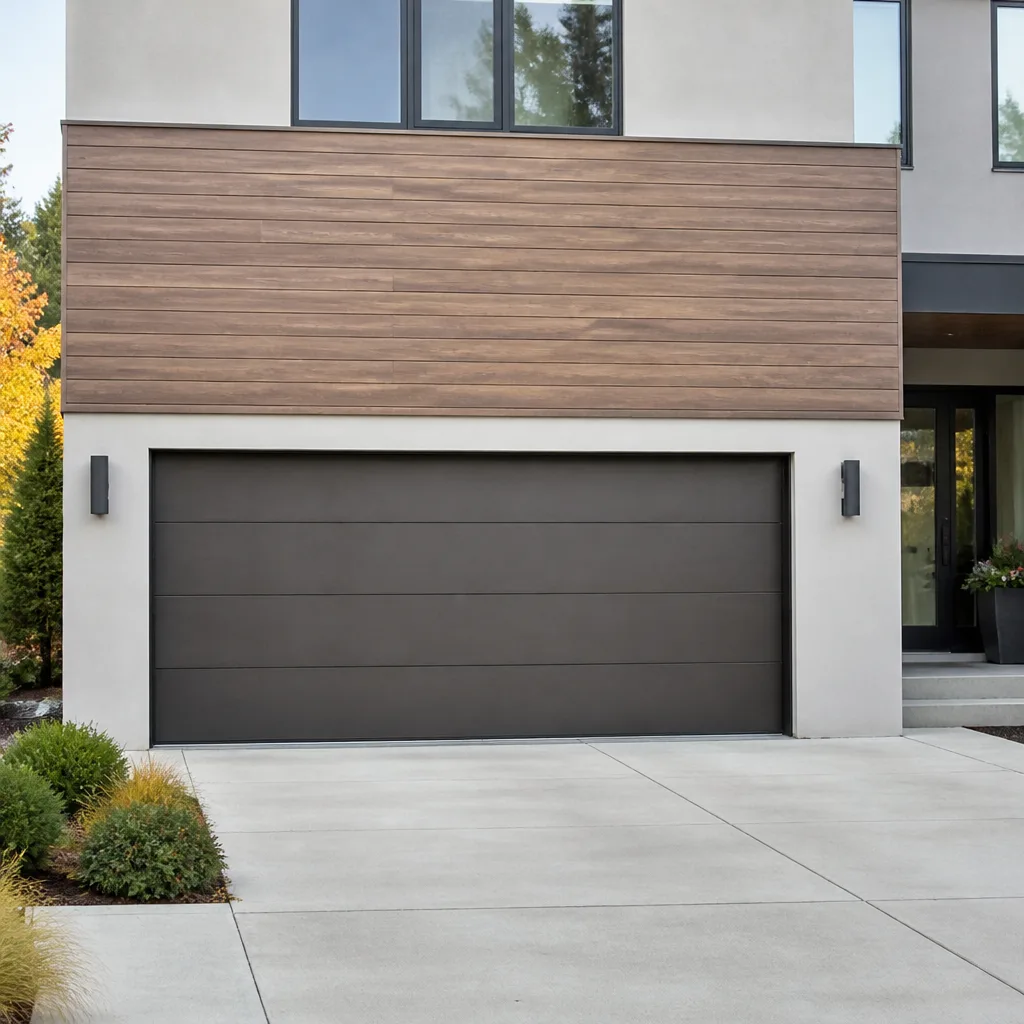 Modern flush
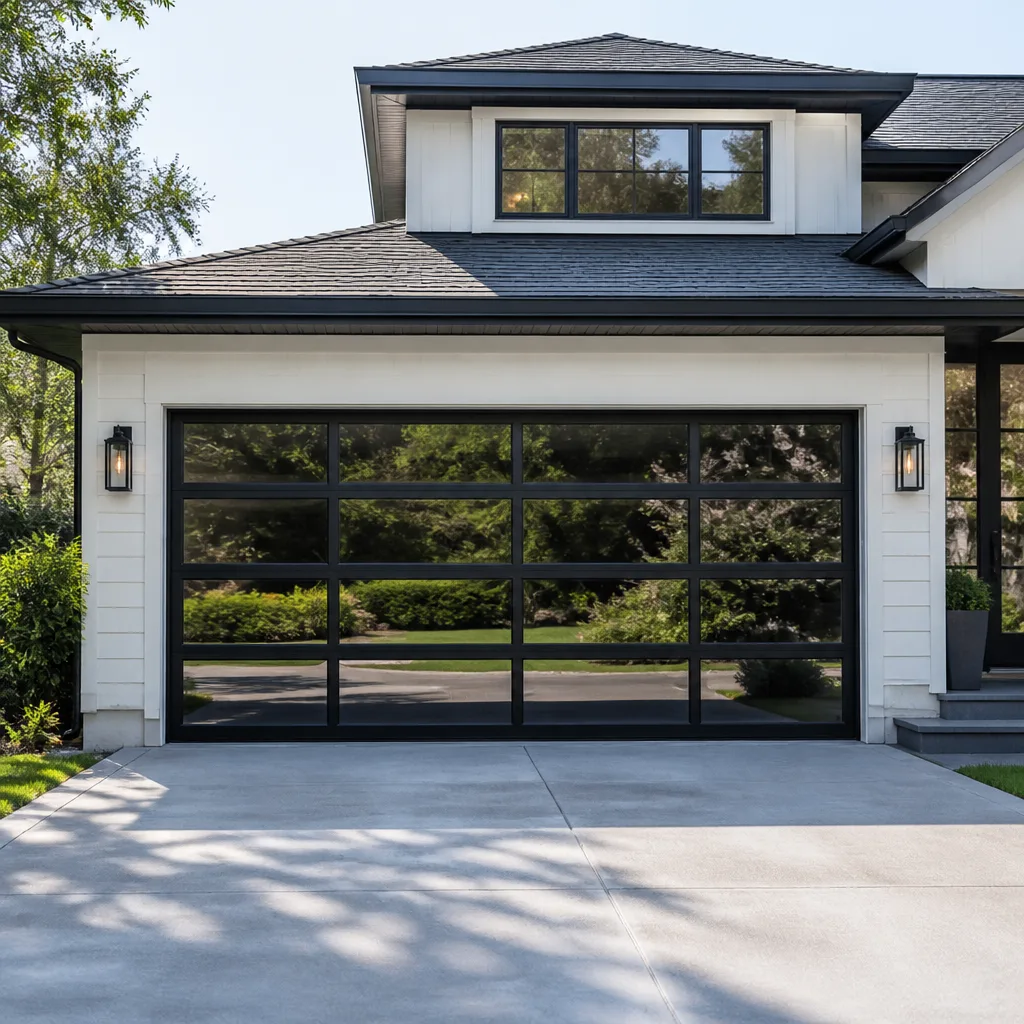 Full-view glass
 LiftMaster openers
 Chamberlain openers
Full 25-point door and opener safety check with every visit - springs, cables, rollers, tracks, and your LiftMaster or Chamberlain opener included
You get a price before we start. It does not change when the pro arrives.
Get your free estimateGarage Door Emergency Preparedness Guide for Greenwich Homes
Most Greenwich homes are well stocked for a nor’easter: flashlights, water, a charged phone bank, the generator tested in October. The garage is the exception. When the wind picks up and the power drops, the garage door is the largest moving object on the property and the one piece of equipment nobody rehearsed with. Here’s the part that surprises people: during a big storm, the most common way a garage door fails isn’t wind bending a panel. It’s a homeowner pulling the manual release in the wrong order, then watching a door with no opener to hold it fall under its own weight. This guide walks through what to do before a storm, during an outage, and after the weather clears, so the door stays an asset and not a hazard.
Quick Answer
Garage door emergency preparedness in Greenwich comes down to three things: knowing the correct manual release procedure for your opener before you need it, understanding when to keep the door down versus up during flooding, and having a plan for the extended outages that follow major storms. A door that’s been released correctly, with a battery backup opener or a clear post-storm triage routine, is far less likely to injure someone or block the house when it matters most.
Styles & brands we work with
- Raised-panel steel
- Carriage house
- Modern flush
- Full-view glass
- LiftMaster openers
- Chamberlain openers
Table of Contents
- Pre-Storm Checklist for Greenwich Properties
- How to Release a Garage Door Manually (and the One Mistake That Causes Freefall)
- Down or Up? Managing the Door During Flooding Risk
- Battery Backup Openers and Extended Outages
- After the Storm: Safety Triage Before You Call Anyone
- What Qualifies as an Emergency (and What to Have Ready When You Call)
- Why Greenwich Weather Is Hard on Doors
Pre-Storm Checklist for Greenwich Properties
A little prep before a storm moves in does more for a garage door than any last-minute scramble once the wind arrives. The goal is simple: know the state of your door, secure it against wind loads, and make sure you can operate it if the power goes down. Greenwich sits in a corridor where nor’easters can push sustained winds well past 60 mph, and a standard single-car door can present 20 square feet or more of surface to that wind. That’s a lot of force on hinges, rollers, and the opener’s trolley.
Run through this list while the forecast is still two or three days out:
- Test the balance. Disconnect the opener and lift the door halfway by hand. It should stay put with minimal effort. If it drops or needs two hands, the springs are tired and the door is working harder than it should under wind load.
- Check the weather seal and bottom rubber. A gap at the floor lets wind-driven rain under the door and stresses the bottom section. A worn seal is cheap to replace and worth doing before a storm, not during one.
- Inspect hinges, rollers, and the track. Loose hinges or a bent track will rattle and can bind when the door flexes in gusty conditions.
- Clear the tracks and the door’s travel path. Anything stored leaning against the door or track can jam it when it opens or closes.
- Confirm your opener’s manual release works. Test the rope or lever with the door down and the opener disconnected. Then re-engage it. Knowing it moves freely beats discovering it’s seized when you actually need it.
- Charge the battery backup if you have one, and check the opener’s battery indicator. More on this below.
- Move anything on the garage floor away from the door’s bottom edge. During flooding, water often enters under the door first.
That’s the whole list. None of it requires special tools, and most of it you can do in twenty minutes on a calm afternoon.
How to Release a Garage Door Manually (and the One Mistake That Causes Freefall)
Here’s the core idea: a garage door’s weight is held by its springs, and when the power fails, the opener can no longer control the door’s descent. The manual release exists so you can operate the door by hand. Do it in the wrong sequence, though, and a door that’s still under spring tension or sitting open will drop. That’s how people get hurt. The safe sequence depends partly on which opener you have, but the underlying rule is the same: never release a door that’s open or halfway up, and never let go of the door while it’s moving.
The freefall mistake
The error that causes the most trouble is pulling the release cord while the door is completely open. On LiftMaster and Chamberlain openers, the trolley is engaged at the top of the travel; releasing the trolley at that point leaves the door held only by the spring system and the track, and gravity wins. The door can slide down fast, and a 300-pound sectional door coming down uncontrolled is dangerous to anyone underneath and damaging to the panels and track.
Safe manual release, step by step
- Close the door first. Use the wall button or remote to lower the door fully while the opener still has power. If the power is already out, do not release the door until it’s down.
- Keep both hands clear of the door’s travel path. Stand off to the side, not directly under the door.
- Pull the release cord or lever. On LiftMaster and Chamberlain openers, this is the red rope or handle hanging from the trolley. On Genie and Craftsman openers, it’s typically a similar trolley-mounted release. Once pulled, the door is disconnected from the opener and can be lifted by hand.
- Lift the door slowly and with control. If it feels heavy, stop. A door that needs real force has a spring problem, and pulling harder won’t fix it. Wait for help.
- Lower the door gently. Don’t let it fall the last foot. Guide it down and let it settle.
- Re-engage when the power returns. Close the door fully, then pull the release cord again (or follow your opener’s re-engage procedure) so the trolley reconnects to the door’s arm.
Brand-specific notes
The procedure is broadly the same across the big four, but the release mechanism and re-engagement steps vary slightly:
- LiftMaster: Trolley-mounted red release rope; the door must be fully closed to release safely. Re-engage by running the opener after the door is down.
- Chamberlain: Essentially the same trolley design as LiftMaster (same parent company). Check for a red or silver handle depending on the model.
- Genie: Release cord is typically attached to the trolley arm; some models have a lever rather than a rope. The closed-door rule still applies.
- Craftsman: Release cord hangs from the trolley; re-engagement requires the door to be fully down and the opener to cycle once.
If your opener is older or you’re not sure which style you have, we work on all four of these brands and can walk you through the sequence for your specific system. Don’t guess with a door that’s already under tension.
Down or Up? Managing the Door During Flooding Risk
Here’s the question we hear most before a storm: should the door be left down or raised? The answer isn’t universal, and it depends on what the garage holds. For most Greenwich homes, the default is keep the door down. A closed door seals the garage against wind-driven rain and debris, and it holds the building envelope together. That’s the right call when the storm’s main threat is wind.
When low-lying parts of town are under flood watch, though, the calculation shifts. Some Greenwich properties near the water or in low spots are vulnerable to water pooling on the driveway and pushing under the door. In that case:
- If flooding is likely and your car is out: leave the door down. A closed door keeps water from sweeping debris in and doesn’t worsen the flooding.
- If you must get the car in or out during active flooding: open and close the door once, carefully, and then close it. Don’t leave it up for long. An open door becomes a wind scoop and a place for water to enter.
- Never prop the door open with a ladder or block. It defeats the opener’s safety reverse and puts the door’s spring system under constant load.
- After flooding: before operating the door, inspect the bottom seal and the lower panels for water damage. Wood and composite doors absorb water at the bottom edge; steel doors can trap moisture between panels. Operate the door slowly and watch for binding.
For doors facing open exposure, a properly functioning opener and a healthy spring system are what let the door stay closed against wind pressure. If the door rattles or pushes in at the top, that’s a sign the springs or track need attention before the next storm, not during one.
Battery Backup Openers and Extended Outages
Greenwich outages after a major storm can last for days, and the garage is often the first door you need to get through. A battery backup opener keeps the door operational when the grid is down. It’s a small investment compared to a garage flooded by a storm drain or a car you can’t move out of the way. Openers from LiftMaster and Chamberlain in recent years include battery backup as standard on many residential models, and the bolt-on battery kits work with a wide range of existing units.
What to look for and how to prepare:
- Battery type: Most residential backup systems use a rechargeable sealed battery, not a car battery. Check your opener’s manual for the specific type.
- Runtime: A charged backup typically provides enough cycles to open and close the door a number of times per day for a couple of days. You won’t want to leave the door cycling, but you’ll be able to get cars in and out.
- Charging: The battery charges while the opener has power. Test it a couple of times a year by unplugging the opener and cycling the door. A battery that won’t hold a charge needs replacing.
- If you don’t have a backup: The manual release still works. Know the sequence, and keep a flashlight and a helper nearby.
- Smart features: If your opener is a smart-home model (LiftMaster and Chamberlain both offer connectivity that alerts you when the door moves), you can check the door’s status from your phone during an outage rather than walking out to the garage.
A quick note on installation: adding a battery backup or replacing an opener isn’t the same as emergency repair. That’s planned work, quoted and scheduled. If you’re considering one, we’ll come out, measure, and give you a written price for the right unit for your door.
After the Storm: Safety Triage Before You Call Anyone
The storm has passed and the garage door is damaged or stuck. Before you do anything else, remember one thing: a damaged garage door can be unstable. A bent track or a broken spring means the door is no longer being controlled the way it was designed to be. In our experience, the most dangerous moments happen right after a storm, when homeowners try to force a jammed door open to clear it.
Here’s a safe triage sequence:
- Stand back and look. Before touching anything, check whether the door is sagging, off-track, or partly open. Look at the springs above the door. If a spring has visibly broken or the cables look slack, do not operate the door.
- Keep the door as it is. If the door is open, lower it slowly and gently by hand only if you can do so with control. If it feels unmanageable, stop.
- Check the opener. If the opener runs but the door doesn’t move, the door is likely disconnected. If the opener doesn’t run at all, check the breaker and the wall switch.
- Clear the floor. Remove debris or water from beneath the door so it isn’t forced against something when you test it.
- Don’t force a jammed door. Shoving a door that’s off-track can bend the panels and make the repair more involved. Call for help.
- Note what you see. Make a quick list: door position, spring condition, track condition, opener response. That saves time on the phone.
For anything involving springs, cables, or a door that’s off its track, leave it to a technician. Those are the parts that hold the door’s weight, and they can release energy quickly if handled wrong.
What Qualifies as an Emergency (and What to Have Ready When You Call)
Not every garage door problem is an emergency, but some genuinely can’t wait. We answer 24/7, and fast dispatch runs from 7am to 7pm, Sunday through Friday. If you call and the dispatch team is closed, we’ll book you into the next opening. Here’s how to think about whether to call right away.
Call right away if:
- The door is stuck open and the garage holds valuables or is your only access to the house.
- A spring or cable has broken and the door is stuck, blocking your car.
- The door is jammed, partly open, or hanging unevenly after a storm.
- The opener is making a new grinding or popping sound with the door in motion.
- The door won’t close at all and the house is open to the street.
You can wait for a scheduled appointment if:
- The door is noisy but still operates.
- A remote or wall button has stopped working but the opener still runs from one control.
- The door reverses occasionally but otherwise closes.
- You’re planning an upgrade or replacement.
When you call, have this ready: your address, the door’s brand and approximate size, the opener’s brand (LiftMaster, Chamberlain, Genie, and Craftsman are the four we see most), a description of what the door is doing, and whether it’s safe to approach. That’s enough for a technician to know what to bring and how to approach the job safely.
For a non-emergency problem that’s been building, garage door repair scheduled for a regular appointment is the budget-friendly route. Springs that are worn but not broken, an opener that’s sluggish, or a door that’s out of balance all belong in that category.
Why Greenwich Weather Is Hard on Doors
The cycle of freeze and thaw, wet and dry, is tough on a garage door’s hardware. Springs expand and contract, lubricant thins in the cold, and the rollers take a beating every time the door opens. In Greenwich, the same weather that brings a nor’easter also brings the temperature swings that loosen hinges and stiffen seals. A door that’s well maintained before the season holds up better during it.
Three things make a real difference:
- Lubrication: A light application of garage door lubricant on the hinges, rollers, and springs keeps the door moving smoothly and reduces the load on the opener.
- Balance check: Do the halfway test a few times a year. A door that won’t stay put is telling you something.
- Seal inspection: A worn bottom seal lets in wind-driven rain and cold air. Replacing it is inexpensive and protects the door’s lower panels.
When something does need fixing, whether it’s a hinge or a full spring replacement, garage door spring repair is one of the jobs we handle most. We also work on the opener side, so if your LiftMaster or Genie unit is the weak link, garage door opener repair is a separate visit with its own estimate.
Common Mistakes to Avoid
- Pulling the manual release with the door open. This is the single most common cause of freefall. Close the door before you release it.
- Forcing a jammed door. Shoving a door that’s off-track bends panels and can turn a minor repair into a full door replacement. Stop and call.
- Ignoring a balance problem. A door that won’t stay halfway up is straining the opener and the springs. Fix it before a storm, not after.
- Leaving the door up during high wind. An open door catches wind and puts huge stress on the track and hinges. Keep it down unless you’re actively moving a car.
- Skipping the battery test. A backup battery that worked last year may be dead by the time you need it. Test it twice a year.
- Greasing the wrong parts. Never lubricate the tracks or the door’s bottom seal. Lubricate hinges, rollers, and springs only.
- Assuming the storm caused every problem. Some issues that show up after a storm were building for months. Have the door looked at when it first starts misbehaving.
See the difference
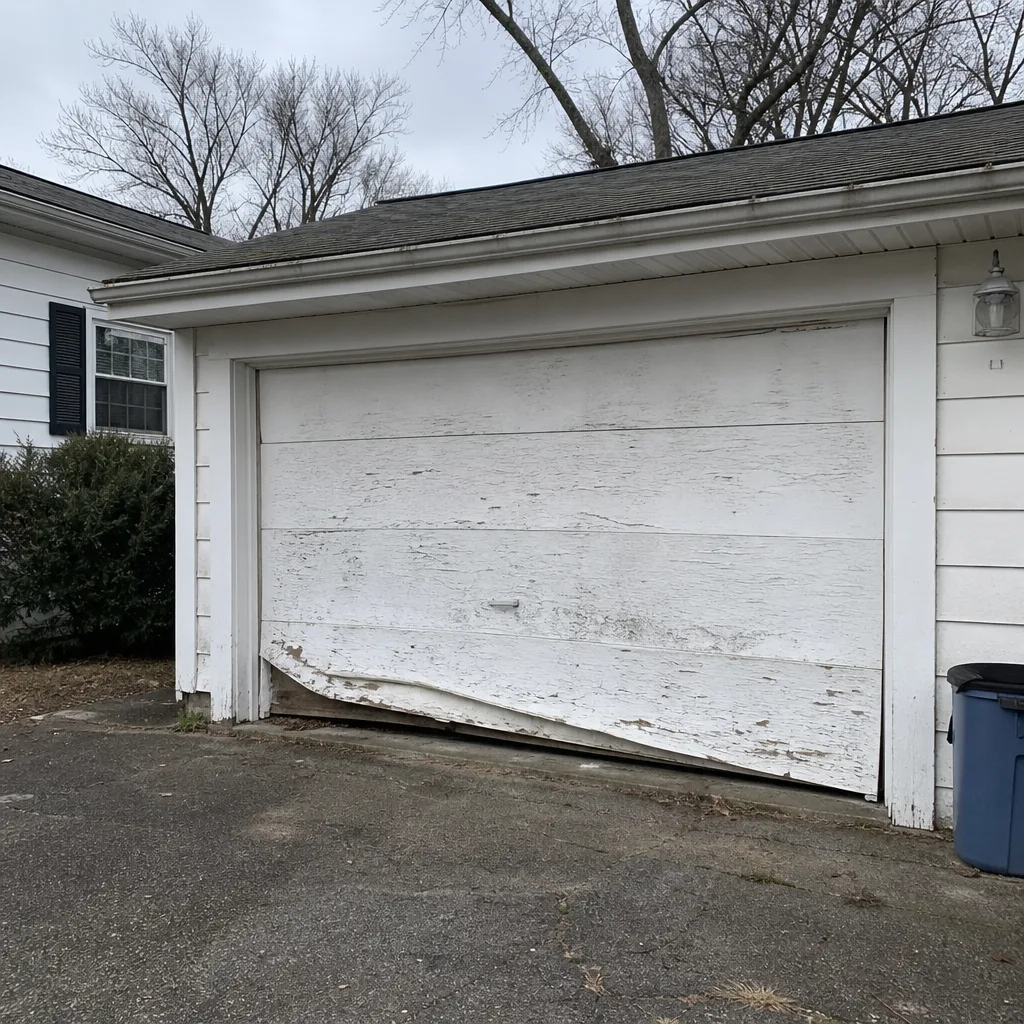 Before
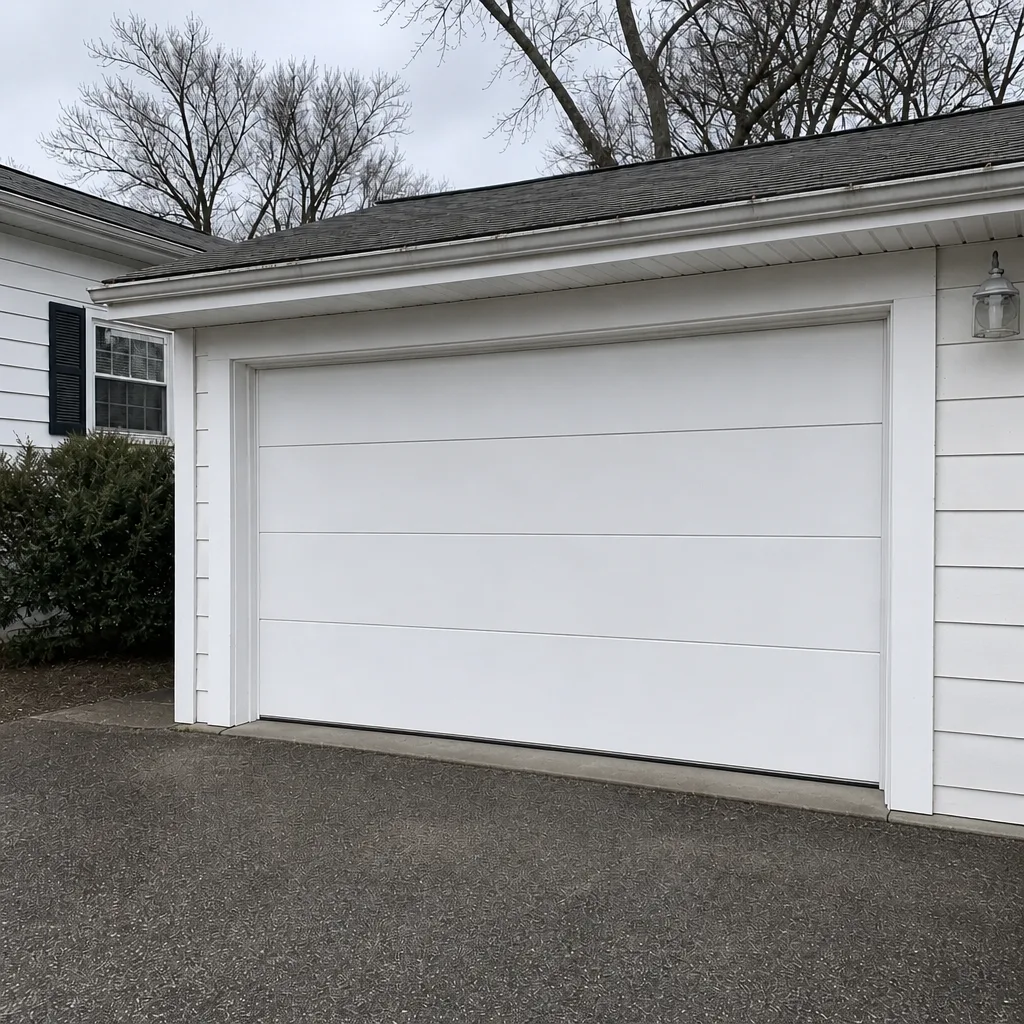 After
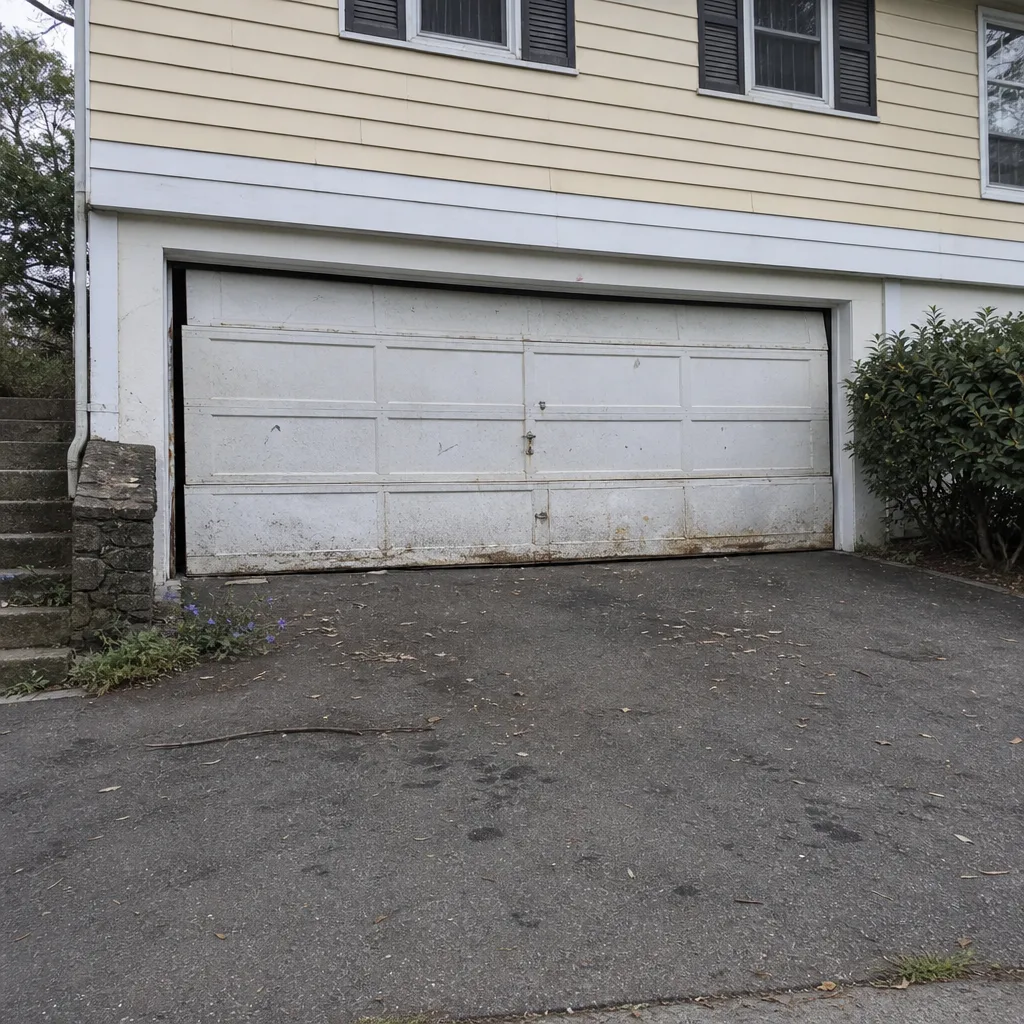 Before
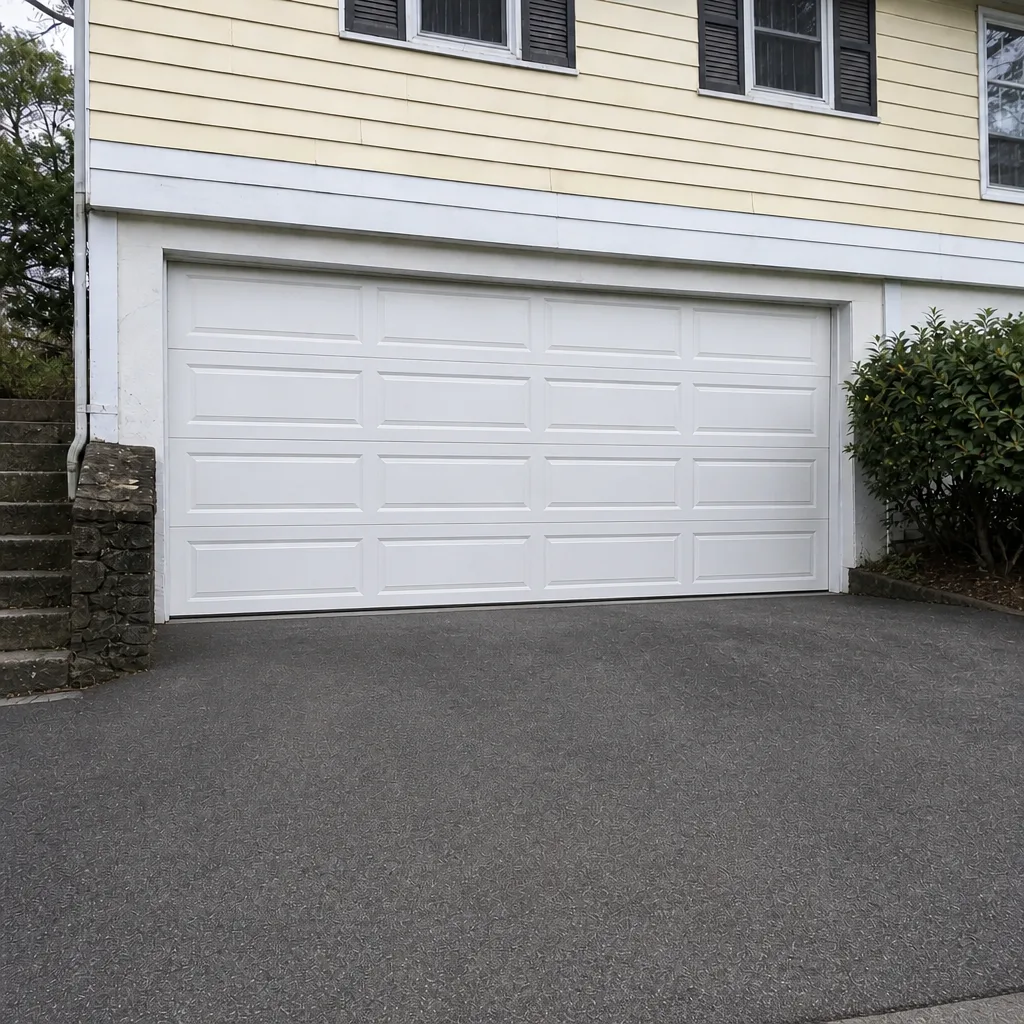 After
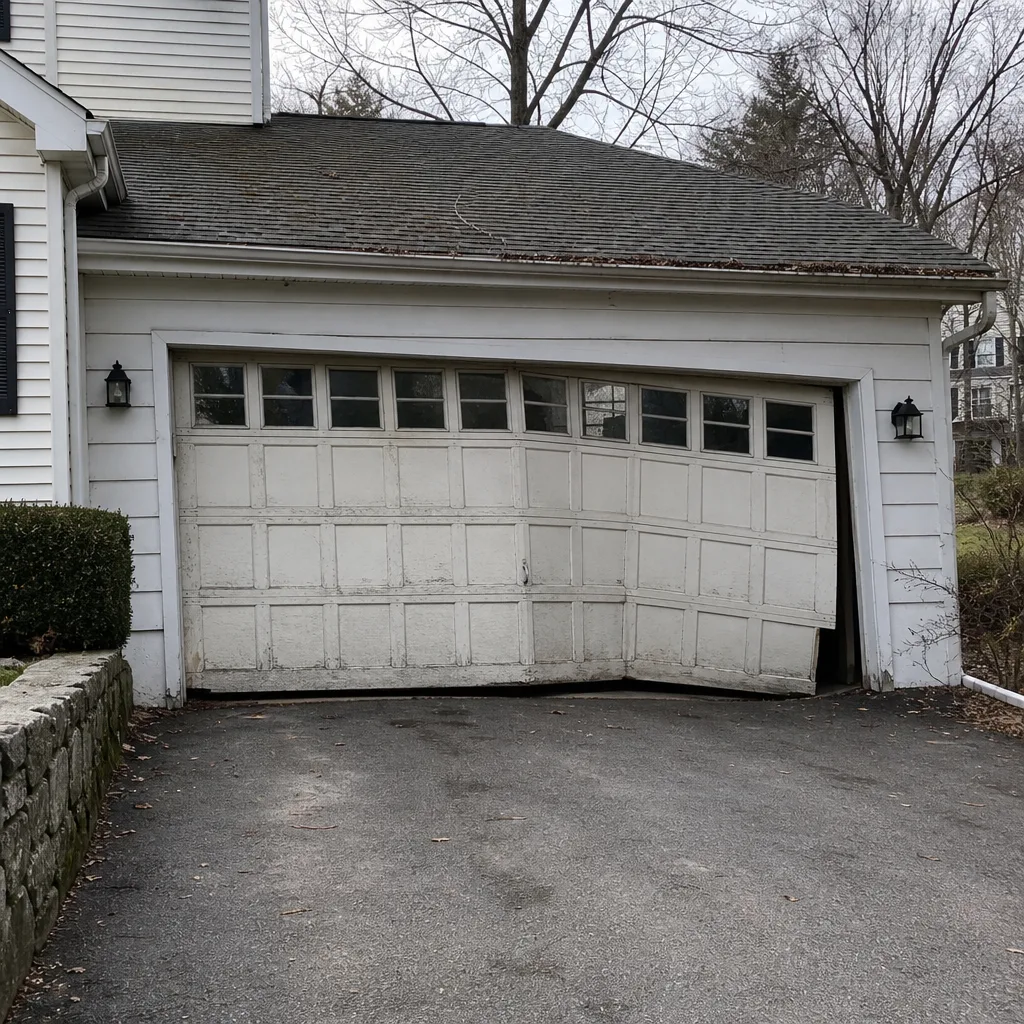 Before
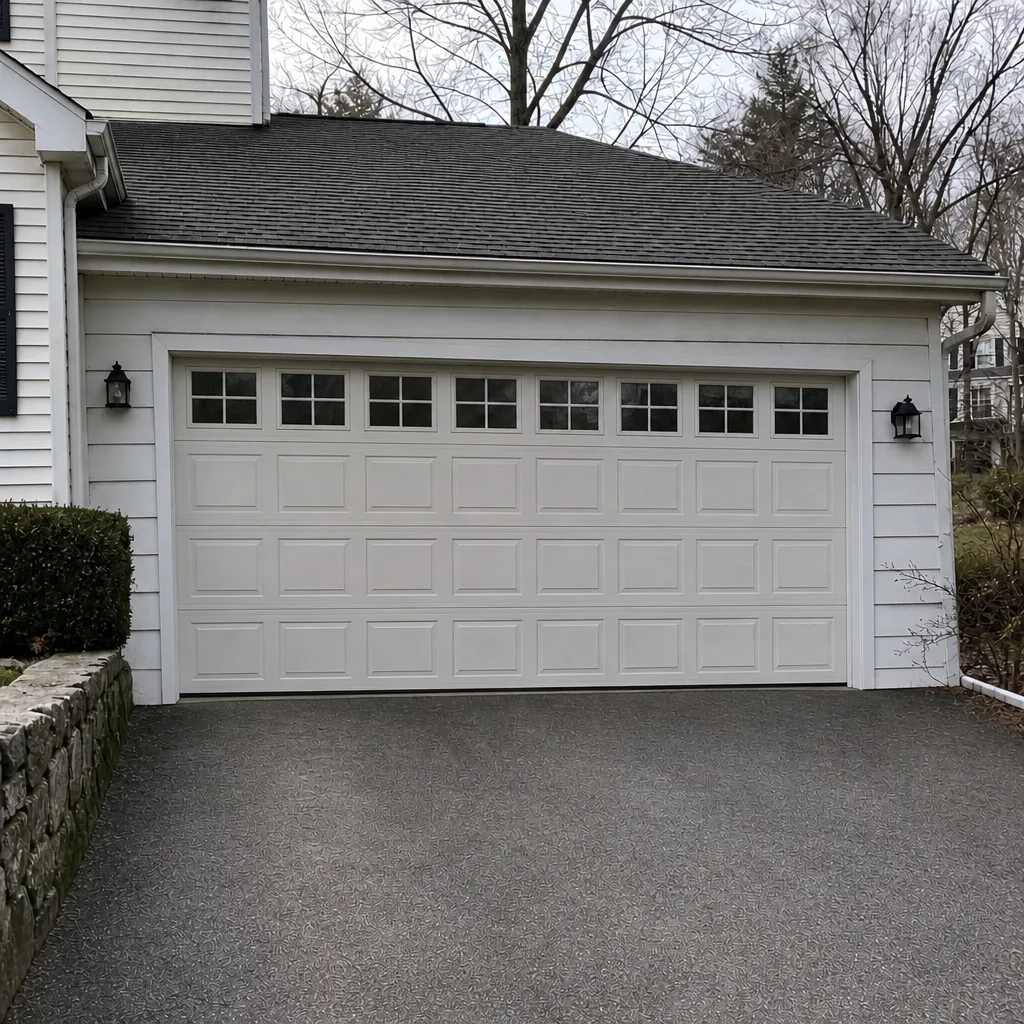 After
When to Call a Professional
You should call a professional whenever the problem involves springs, cables, or the door coming off its track. Those parts are under high tension, and a mistake can cause serious injury. You should also call if the door won’t stay balanced, the opener is running but the door isn’t moving, or a storm has left the door jammed or hanging unevenly. We work on LiftMaster, Chamberlain, Genie, Clopay, Amarr, Wayne Dalton, Craftsman, and Raynor equipment, and our technicians have up to 8 years of experience. Greenwich Garage Door Repair offers free estimates in Greenwich; call (866) 947-9299. We answer 24/7, with fast dispatch from 7am to 7pm, Sunday through Friday.
Frequently Asked Questions
Keep it closed. A closed door seals the garage against wind-driven rain and holds the building envelope together. Only open it briefly if you’re actively moving a car, and close it as soon as you’re done. A propped-open door catches wind and stresses the track and hinges.
Close the door first, then pull the red release rope or handle hanging from the trolley. The door will disconnect from the opener and can be lifted by hand. Never release it while the door is open; that’s the step that causes freefall. To re-engage, close the door fully and cycle the opener once.
Don’t force it. Check whether the door is off-track, sagging, or has a visible spring or cable problem. If any of those are present, leave the door as it is and call a technician. Forcing a jammed door can bend panels and turn a minor repair into a bigger one. Call (866) 947-9299 and describe what you see.
It’s worth having if you live in an area where outages are common after major storms. A battery backup keeps the door operational for a few days of normal use. Test it twice a year. If you’re considering adding one, we’ll measure your door and give you a written price before any work starts.
Have your address, the door’s brand and approximate size, the opener’s brand, what the door is doing (stuck open, off-track, won’t close, making a noise), and whether the area is safe to approach. That lets the technician bring the right parts and plan the job before arriving.
If the door is stuck open and the garage is exposed, call us at (866) 947-9299. We answer 24/7, with fast dispatch from 7am to 7pm, Sunday through Friday. We’ll confirm the earliest available time and quote the price before any work starts.
The Bottom Line
Garage door emergency preparedness in Greenwich is less about fancy equipment and more about knowing your door. Learn the manual release sequence for your opener and practice it once on a calm day. Keep the door down in wind and check your seals and springs before storm season. Have a battery backup if outages are a regular part of your year, and don’t force a jammed door after a storm. If something needs fixing, call a technician who knows your brand and will give you a written price first. Greenwich Garage Door Repair offers free estimates in Greenwich. Call (866) 947-9299. We answer 24/7, with fast dispatch from 7am to 7pm, Sunday through Friday.
Written by the team at Greenwich Garage Door Repair.