
Last updated November 24, 2026
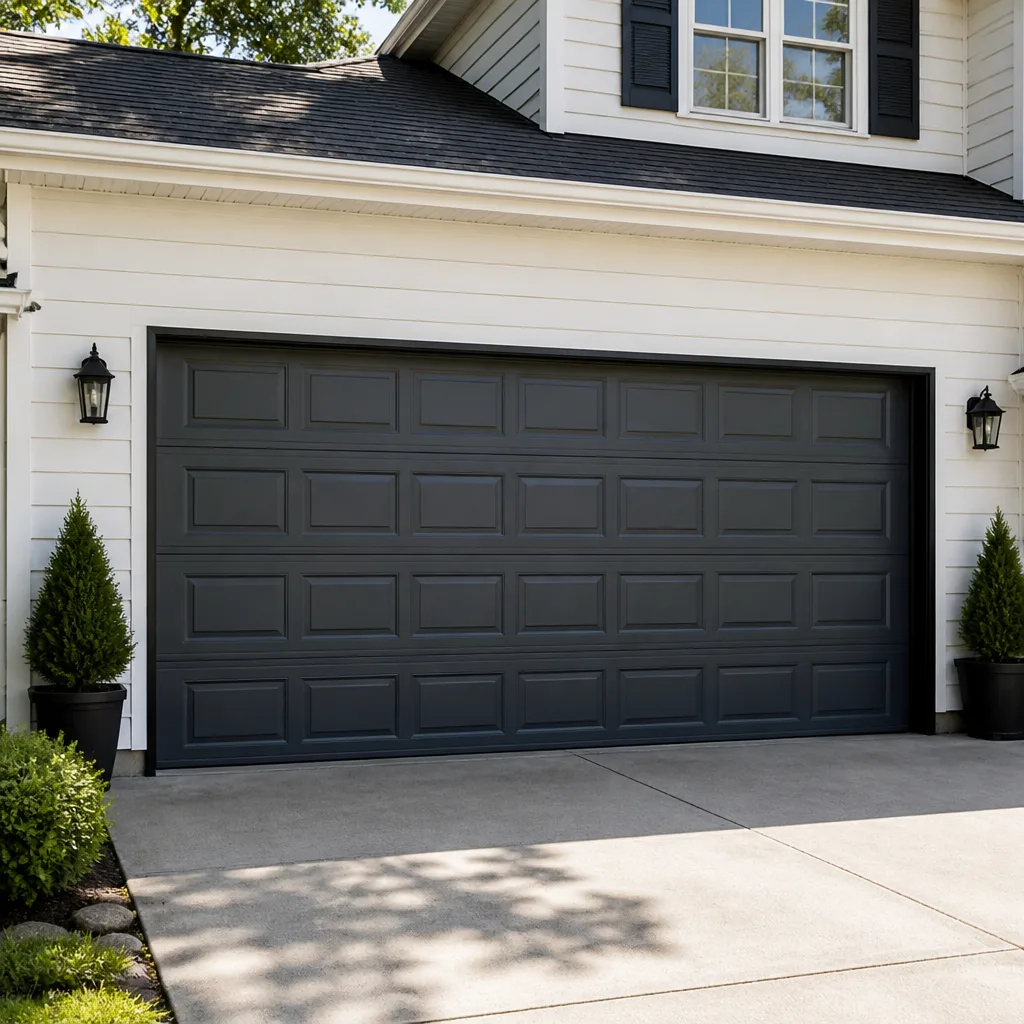 Raised-panel steel
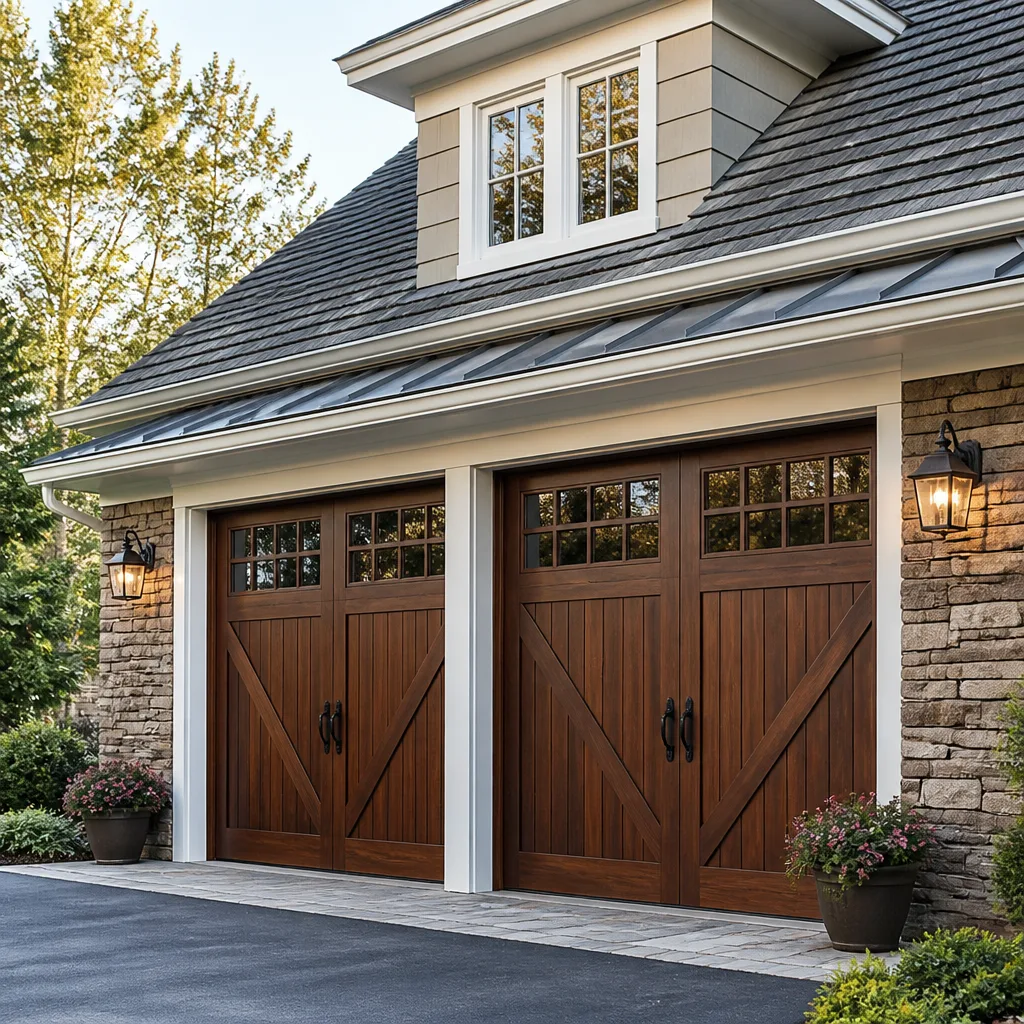 Carriage house
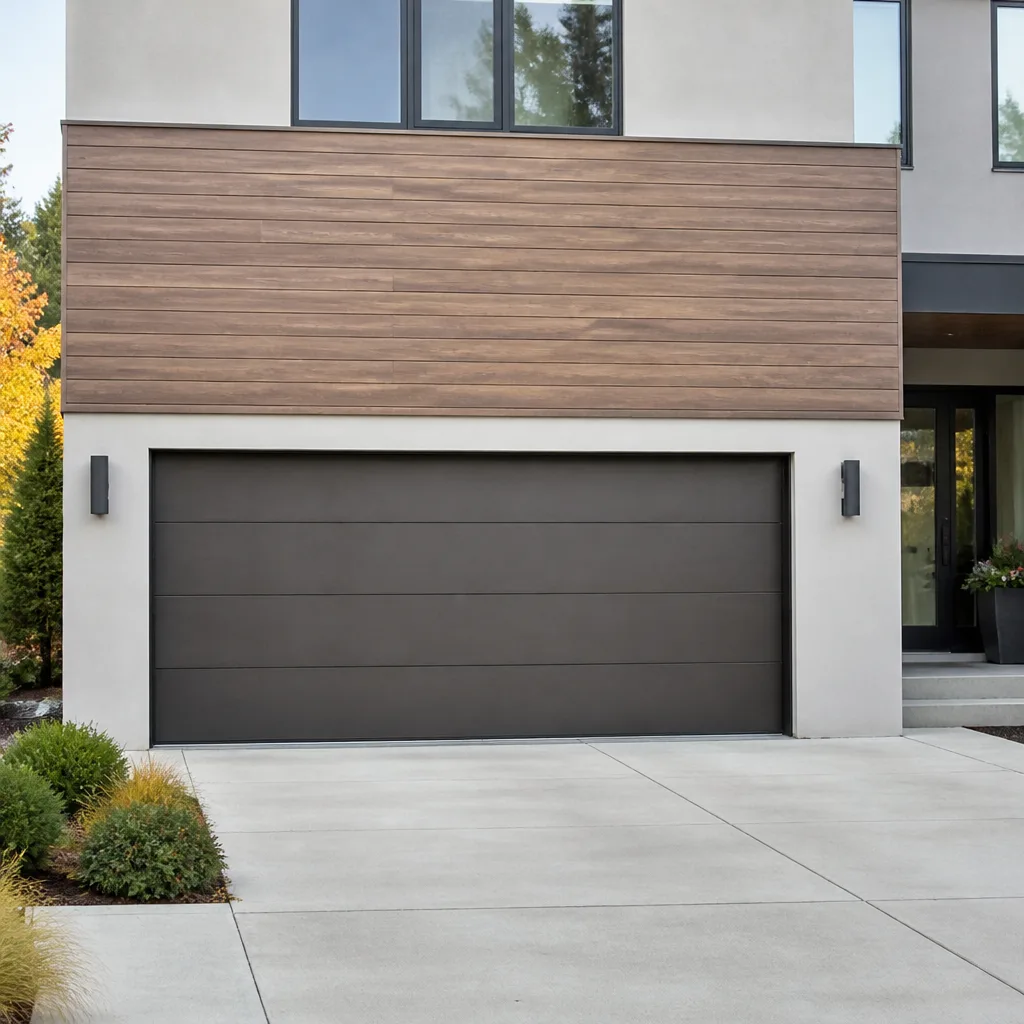 Modern flush
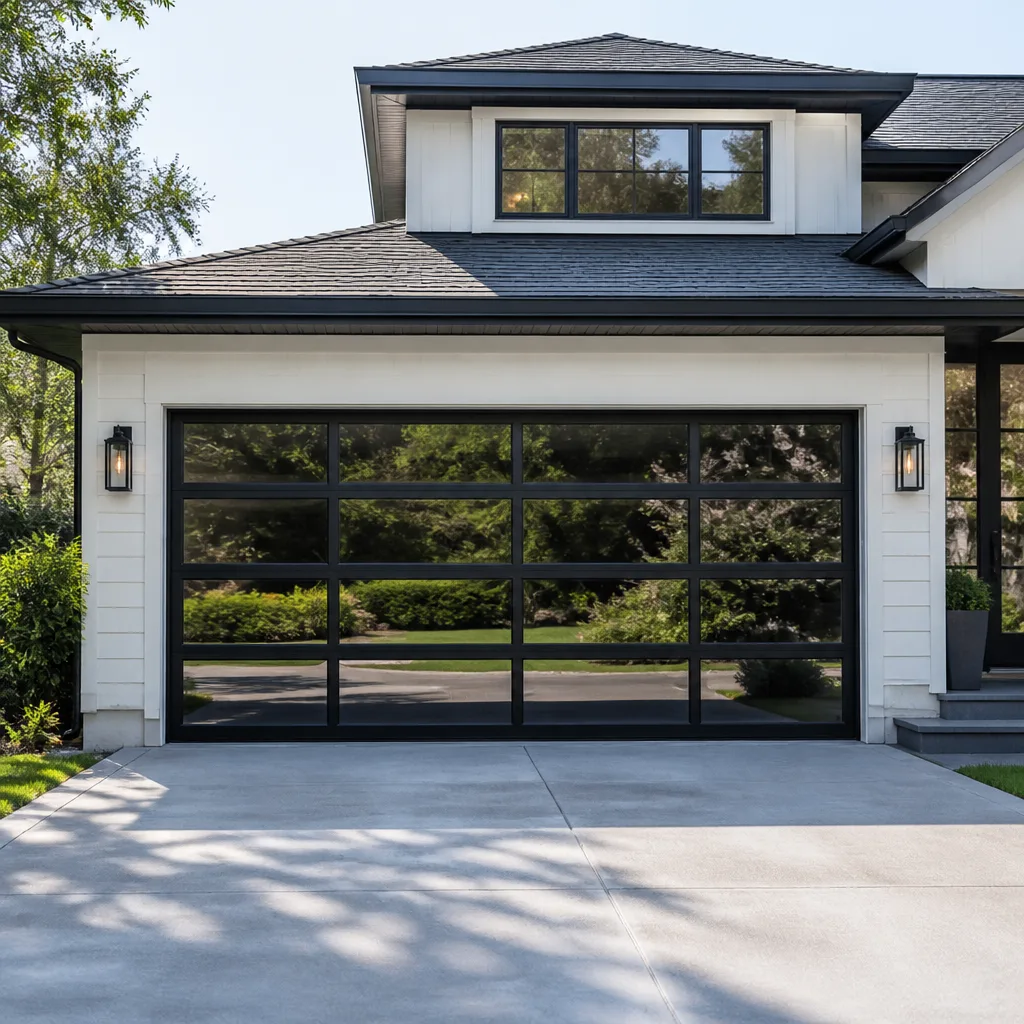 Full-view glass
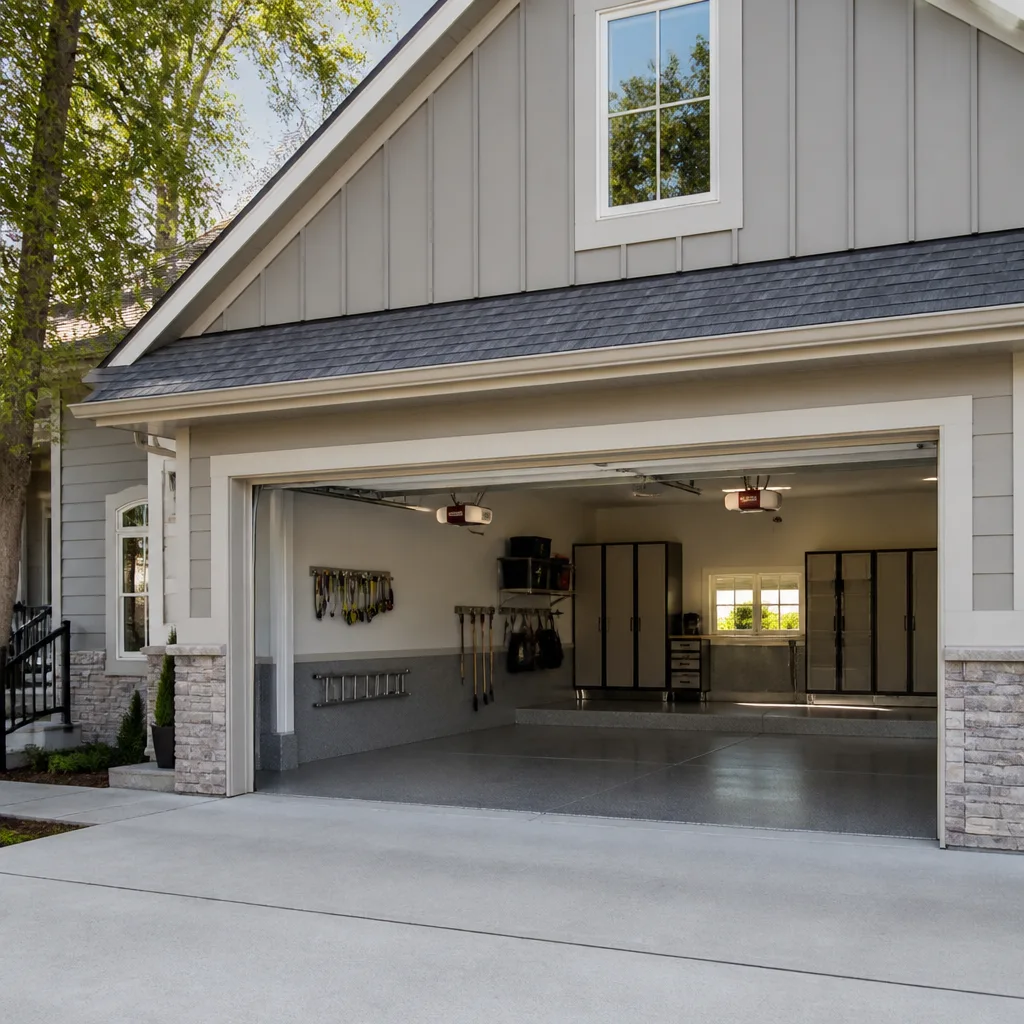 LiftMaster openers
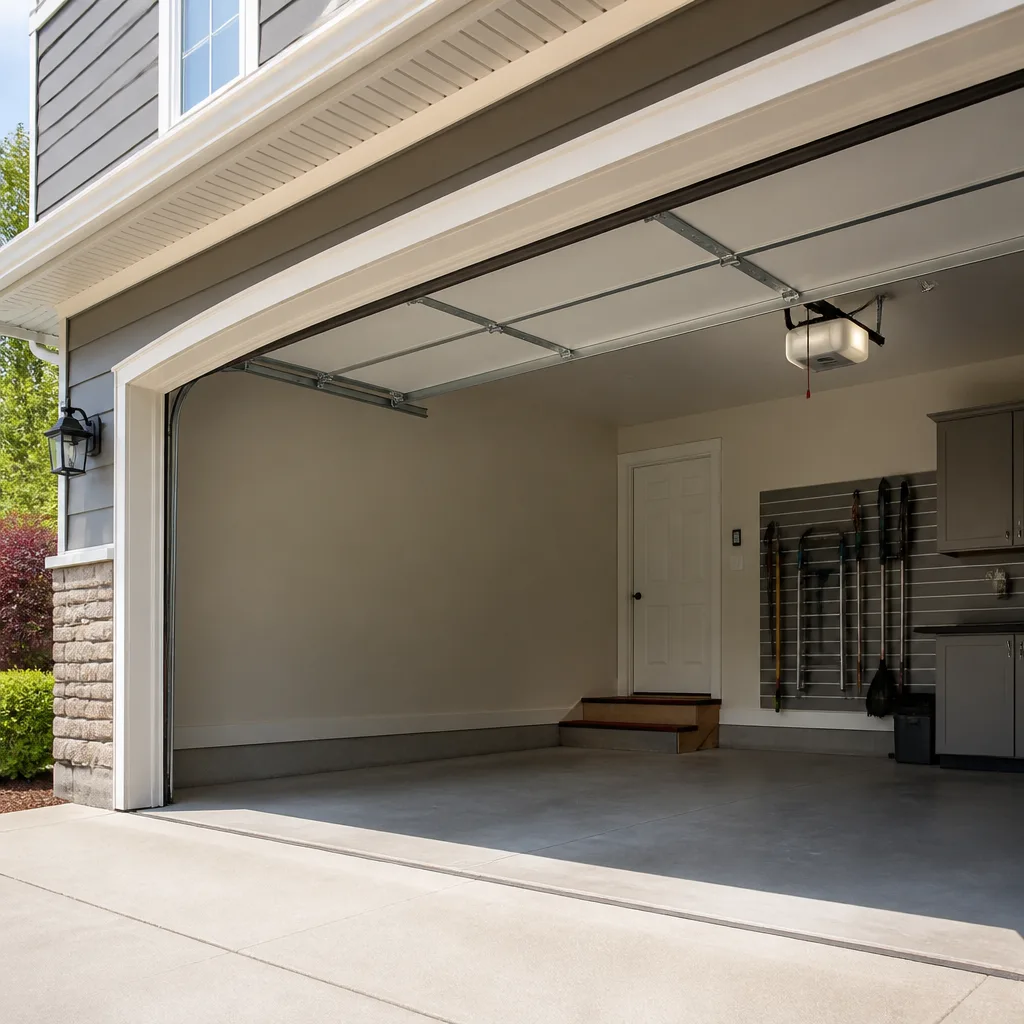 Chamberlain openers
Full 25-point door and opener safety check with every visit - springs, cables, rollers, tracks, and your LiftMaster or Chamberlain opener included
You get a price before we start. It does not change when the pro arrives.
Get your free estimateThe Complete Guide to Garage Doors in Greenwich
A 9×7 steel door that performs well for a decade in a dry, flat suburb can look tired much sooner in Greenwich. Not because the door is cheap, but because the conditions here are different: wet winters, freeze-thaw cycling that works on every seam and seal, and a housing stock where a “standard” opening is often nothing of the sort. The spec sheet on a showroom door doesn’t account for any of that, and neither does most of the advice you’ll find online.
This guide maps the real decisions – material, size, brand, opener, budget – to the conditions Greenwich homeowners actually live with. You’ll learn what fails first, what a job typically costs here, and how to avoid the expensive mistakes.
Quick Answer
Choosing and maintaining a garage door in Greenwich comes down to matching the door to your actual opening and your actual climate. Steel and aluminum handle the wet winters and humidity best with the least upkeep, wood and composite suit historic and HOA-governed properties but demand more care, and fit matters more than brand name on the older Colonials and Victorians around town. Repairs and opener work can be handled same day; a new door is measured, ordered, and scheduled. Get a free written estimate before anything is ordered or installed.
Styles & brands we work with
- Raised-panel steel
- Carriage house
- Modern flush
- Full-view glass
- LiftMaster openers
- Chamberlain openers
Table of Contents
- How Greenwich’s Climate Shapes Your Door Choice
- Steel, Wood, Aluminum, or Fiberglass: A Material Comparison
- Sizing and Clearance in Older Greenwich Homes
- Brands That Hold Up in New England
- HOA and Historic District Requirements
- Openers, Smart Controls, and What Fits Your House
- What Garage Door Work Costs in Greenwich
- A Maintenance Routine That Pays for Itself
How Greenwich’s Climate Shapes Your Door Choice
Greenwich sits in a wet, four-season climate where the ground freezes and thaws repeatedly through winter and humidity climbs in summer. That cycle is the single biggest factor in how long a garage door and its hardware last. Every freeze pushes moisture into small gaps; every thaw lets it work a little deeper. Over several seasons, that shows up as swollen wood edges, paint peeling at the bottom rail, rust blooming on fasteners, and seals that stop sealing.
What this means in practice:
- Bottom sections take the worst of it. Snow, slush, and road spray collect at the threshold, so the bottom panel and the bottom weather seal wear first on nearly every Greenwich door.
- Wood moves. Painted wood doors cup and split at the joints when moisture swings between seasons. Good paint and a tight seal slow it down; nothing stops it entirely.
- Metal sweats. An uninsulated steel door can condense moisture on its interior face during cold snaps, which is one reason an insulated door matters more here than in a mild climate.
- Hardware works harder. Springs, cables, and rollers cycle through wider temperature ranges, so they wear at a different rate than in a stable climate.
None of this means you need a specialty door. It means you should weight insulation, sealed edges, and finish quality higher than you might elsewhere, and inspect the bottom section and seals each fall before the first hard freeze. If your door is already sticking, binding, or leaving a gap at the floor, that’s a garage door repair question worth answering before winter, not after.
Steel, Wood, Aluminum, or Fiberglass: A Material Comparison
Material choice drives both cost and upkeep in Greenwich. Here’s how the four common options actually behave here:
- Steel: The most common choice for good reason. Insulated steel doors resist moisture, hold paint well, and cost less than wood. Watch for dents on the lower panels and rust at any scratch that reaches bare metal. Best all-around balance for most Greenwich homes.
- Wood: The right look for many older properties and historic districts. Wood can be repaired and refinished in ways steel can’t, but it needs repainting on a shorter cycle here and will move with the seasons. Higher cost, higher upkeep, best appearance on a period home.
- Aluminum: Light and rust-resistant, which suits full-view and glass-panel designs. It dents more easily than steel and offers less insulation unless built with thermal breaks. Good for modern builds and glass-heavy looks.
- Fiberglass: Won’t rust or dent like metal, and some fiberglass panels mimic wood grain well. It can become brittle in prolonged cold and tends to fade, so finish quality matters.
Insulation is the sleeper decision. If your garage shares a wall with living space, or you use it as a workshop or gym, an insulated door makes the room usable and reduces heat loss. In a detached, unheated garage it matters less.
For most Greenwich homeowners, insulated steel is the practical default, wood and composite are the right call when appearance or historic requirements drive the decision, and aluminum suits modern glass-forward designs. A free measure and written quote will tell you what your opening can actually take.
Sizing and Clearance in Older Greenwich Homes
Many of Greenwich’s older Colonial and Victorian homes were built with carriage openings, and the garages added later don’t always follow today’s standard dimensions. A door sold as “standard” may not fit the rough opening you actually have, and forcing it creates problems with tracks, seals, and balance that never really go away.
Here’s how a proper sizing assessment works:
- Measure the rough opening in three places – top, middle, bottom – for both width and height. Older openings are rarely perfectly square.
- Check headroom. The space above the door determines whether a standard torsion setup fits or a low-headroom arrangement is needed.
- Check side clearance. The space beside the opening sets track and spring placement, and older garages often run tight.
- Check backroom. How far tracks extend behind the opening decides whether a standard or low-clearance door works.
- Confirm the floor line. A sloped or settled floor throws off seals and balance, and it’s common in older garages.
Custom sizing costs more than off-the-shelf, but it’s often the only way to get a door that seals, balances, and looks right on an older opening. This is where a measured estimate beats any online sizing chart. Bring the numbers, and a technician can tell you exactly which sizes and configurations fit.
Brands That Hold Up in New England
Brand matters less than fit and installation, but some lines are easier to live with when you need parts and service later. We work across the major brands rather than pushing one: Clopay, Amarr, Wayne Dalton, Raynor, and Craftsman are all part of what we service, alongside LiftMaster, Chamberlain, and Genie for openers.
A few notes that matter for Greenwich homes:
- Clopay offers broad lines across insulated steel and carriage-house styles, which makes it a common pick for properties that need a period look without full wood upkeep.
- Wayne Dalton covers a wide range from basic steel to insulated and wood-look panels, and its systems are widely installed in this region.
- Amarr is a solid choice for insulated steel and carriage styles, and it’s broadly serviced, so parts and repairs aren’t a scavenger hunt.
- Craftsman door and opener systems remain common in older homes, and being able to troubleshoot legacy openers saves a lot of guesswork.
The bigger point: pick a brand your local technician can actually service. A beautiful door from a line nobody carries parts for becomes a headache the first time a roller or spring needs replacing. Ask what’s serviceable in your area before you fall for a showroom model. Our technicians have up to 8 years of experience across these systems, so a quick call usually settles which brand and line fit your opening and budget.
HOA and Historic District Requirements
Parts of Greenwich are governed by homeowners associations and historic district rules, and the aesthetic rules are often stricter than the building code. Belle Haven, Riverside, and other established neighborhoods have their own character, and an HOA or historic review can send a door back before it’s ever installed.
Before you order anything, do these three things:
- Get the written rules. Ask your HOA or the town’s historic district authority for the current design requirements in writing – panel style, color, window configuration, and material.
- Submit the design for approval first. Most rejections happen because a homeowner ordered a door before asking. Approval first, order second.
- Match the house, not the trend. Carriage-house and raised-panel styles tend to pass review more easily than sleek modern panels on a traditional home.
Historic districts often require materials that look period-correct, which usually means wood or a convincing composite rather than flat steel. That raises cost, but it’s cheaper than a door you can’t install. Ask your town’s building department and your HOA what the rules are before you commit.
Openers, Smart Controls, and What Fits Your House
The opener is the part most people overlook until it stops working. In Greenwich, you’ll find everything from older Craftsman chain drives in 1970s homes to modern smart operators in new builds, and the right replacement depends on the door’s weight, your ceiling, and whether you want app control.
What to weigh:
- Belt vs. chain drive. Belt drives run quieter, which matters if a bedroom sits above the garage. Chain drives cost less and hold up well but are noisier.
- Jackshaft (wall-mount) openers. These free up ceiling space and suit garages with low headroom or high-lift tracks. Common in newer construction.
- Smart features. LiftMaster and Chamberlain lead on app control, alerts, and integration, and Genie covers the value end of the smart market. Match the opener to the phone ecosystem you actually use.
- Legacy compatibility. An older Craftsman opener may still be serviceable, and repairing it can be cheaper than replacing the whole unit.
If your door opens partway, reverses, or the remote only works up close, that’s usually an opener or safety-sensor issue rather than a door problem. A technician can diagnose it in a visit and often fix it the same day. For anything sensor, motor, or logic-board related, garage door opener repair is the right call before you buy a new unit.
What Garage Door Work Costs in Greenwich
Greenwich labor and material costs run above national averages, so treat any generic online price as a starting point, not a quote. The ranges below are typical for this market and are estimates only. Your written estimate sets the final price, and it’s quoted and agreed before any work starts.
- Spring replacement (one spring): typically $180 to $340. Matched pairs usually get replaced together, so a pair runs roughly twice that.
- Opener repair: typically $150 to $400, depending on the part and brand.
- Opener replacement: typically $300 to $700 installed, more for smart or jackshaft units.
- Panel or section repair: typically $200 to $600, depending on the panel and whether it’s still stocked.
- Cable, roller, and track repair: typically $150 to $450.
- New door installation: typically $1,200 to $4,500 or more, driven by size, material, insulation, and custom sizing.
- Full-view and custom doors: often $3,000 to $8,000 plus, depending on glass and framing.
If your spring broke, don’t touch it. Torsion springs are under extreme tension and can cause serious injury. garage door spring repair is a job for a trained technician with the right tools, and it’s often finished same day. Call (866) 947-9299 for a free estimate and a straight answer on what your job needs.
A Maintenance Routine That Pays for Itself
A little time each season keeps a door out of trouble, especially through Greenwich winters. None of this is complicated, and none of it requires climbing on the door or touching springs.
- Lubricate moving parts. Rollers, hinges, and the spring coils get a garage-door lubricant a couple of times a year. Skip the WD-40 on springs.
- Check the balance. Disconnect the opener and lift the door halfway. If it won’t stay put, the springs or balance need attention.
- Test the safety reverse. Put a small object under the door and close it. It should reverse. Do this monthly.
- Inspect the bottom seal. Replace a cracked or flattened seal before winter so snow and water stop at the threshold where they belong.
- Clear tracks. Wipe out debris and check that the vertical and horizontal tracks line up. Don’t force a bent track.
- Look at the paint and finish. Touch up scratches on steel and reseal wood edges in fall, before freeze-thaw has a chance to work in.
If anything feels off – a door that shudders, a cable that looks frayed, a spring that’s visibly stretched – stop using the opener and get it looked at. Cables and springs are the two parts you should never adjust yourself.
Common Mistakes to Avoid
- Ordering a door before measuring the opening. Older Greenwich homes rarely have square openings, so measure before you buy. A door that’s slightly too big won’t seal no matter who installs it.
- Skipping HOA or historic approval. In neighborhoods like Belle Haven and Riverside, ordering a door before review can mean a door you can’t install and a return you can’t get.
- Choosing appearance over insulation. An uninsulated door on a shared wall makes the room next to it cold all winter. Ask about insulation before you fall for the look.
- Ignoring the bottom seal. A worn seal lets in water, which is what starts most rot and rust at the threshold. It’s a cheap part with expensive consequences.
- Touching the springs yourself. This is the number one way homeowners get seriously hurt. Springs are under tension that can release violently – leave them to a trained technician.
- Buying a brand nobody services. A door or opener from a line with no local parts support turns a small repair into a replacement later.
- Treating a grinding door as normal. Grinding, squealing, or a door that reverses partway is a symptom, not a quirk. Getting it looked at early usually costs less than waiting.
See the difference
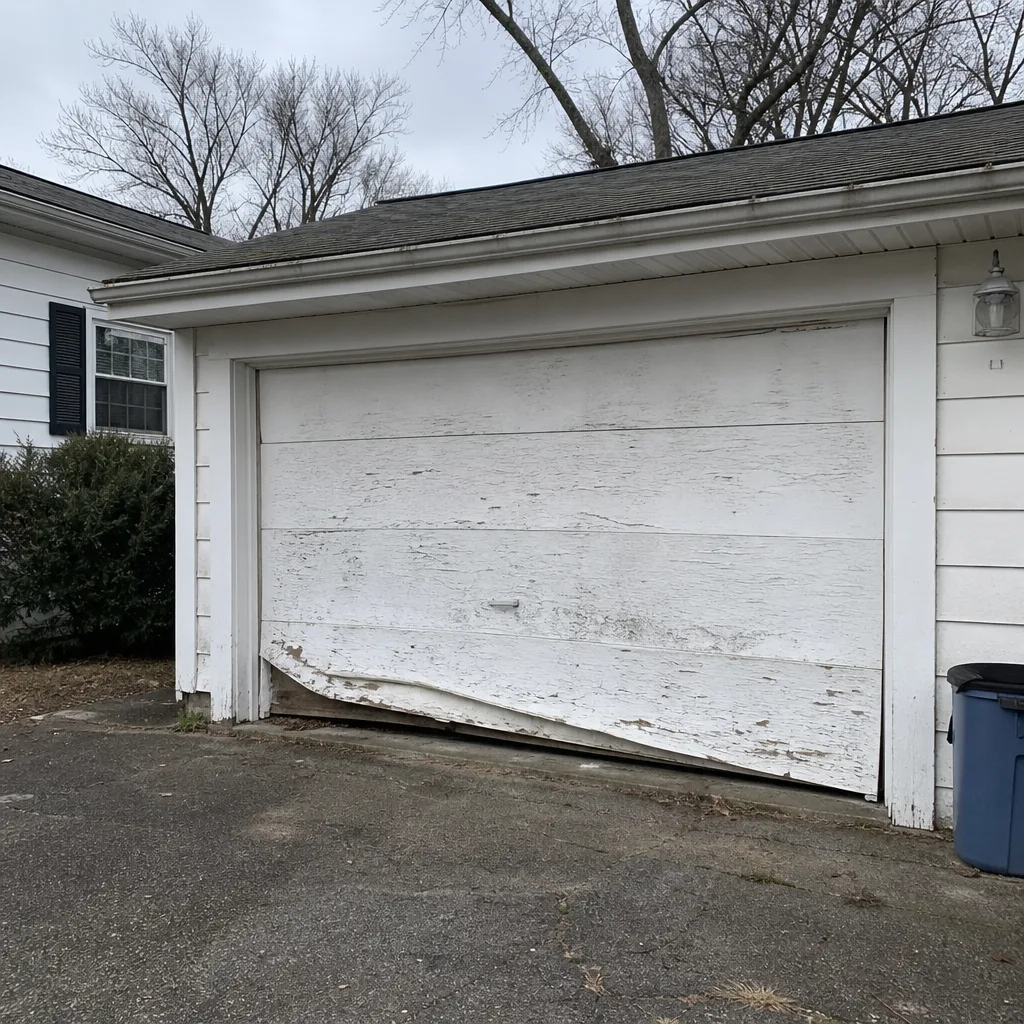 Before
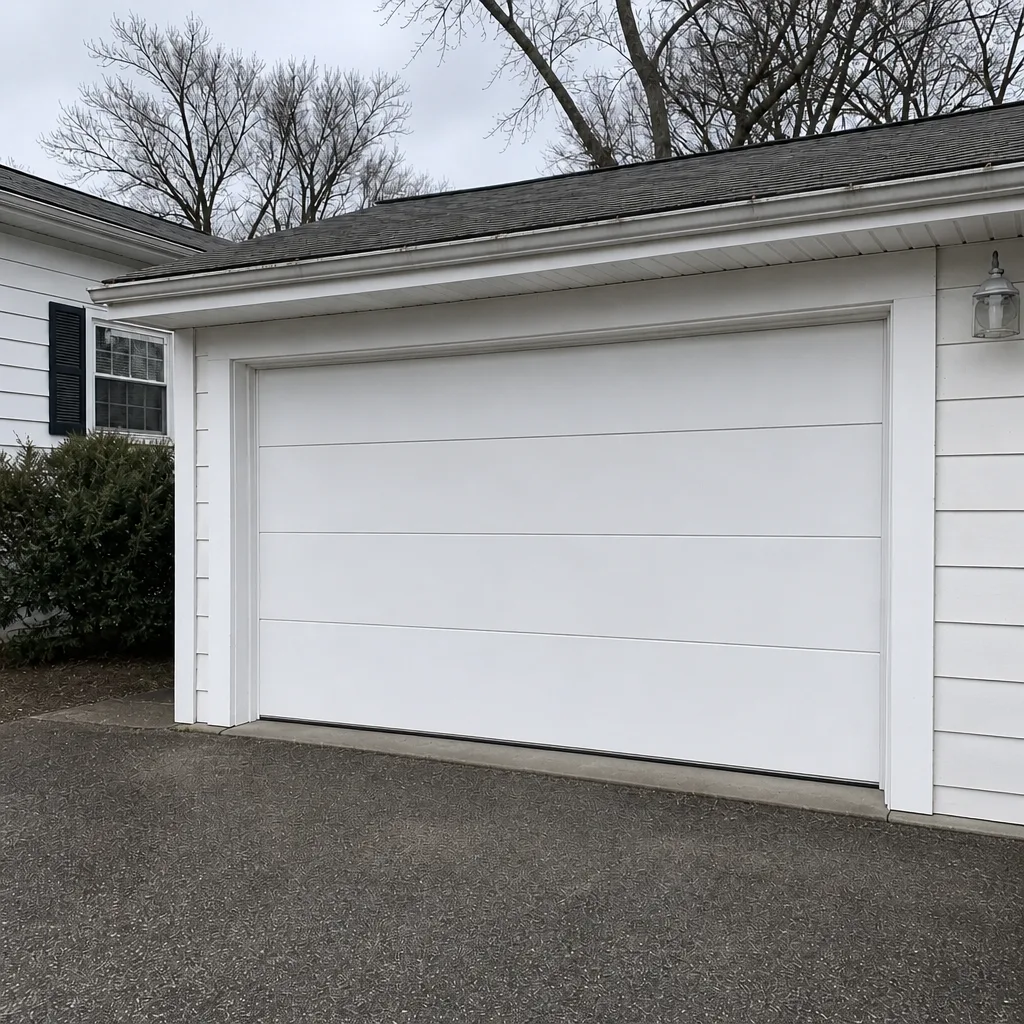 After
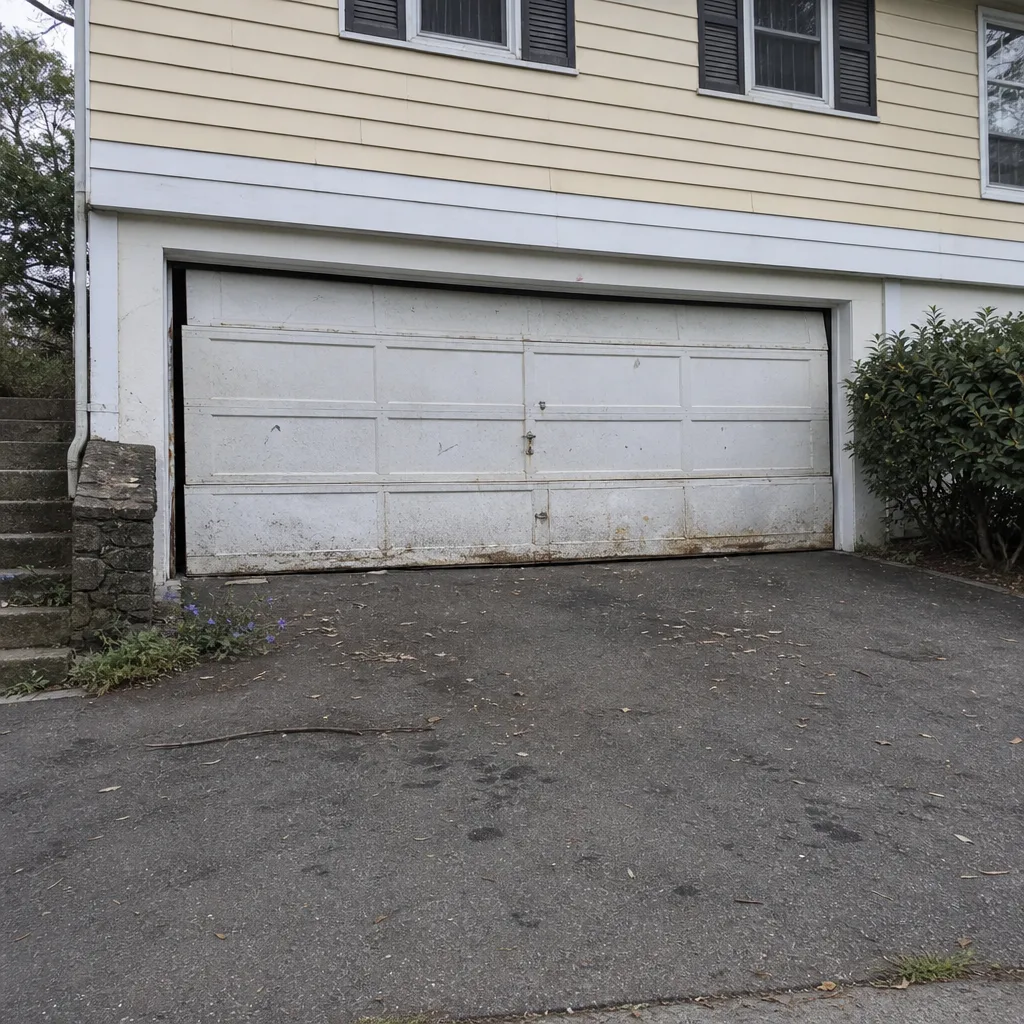 Before
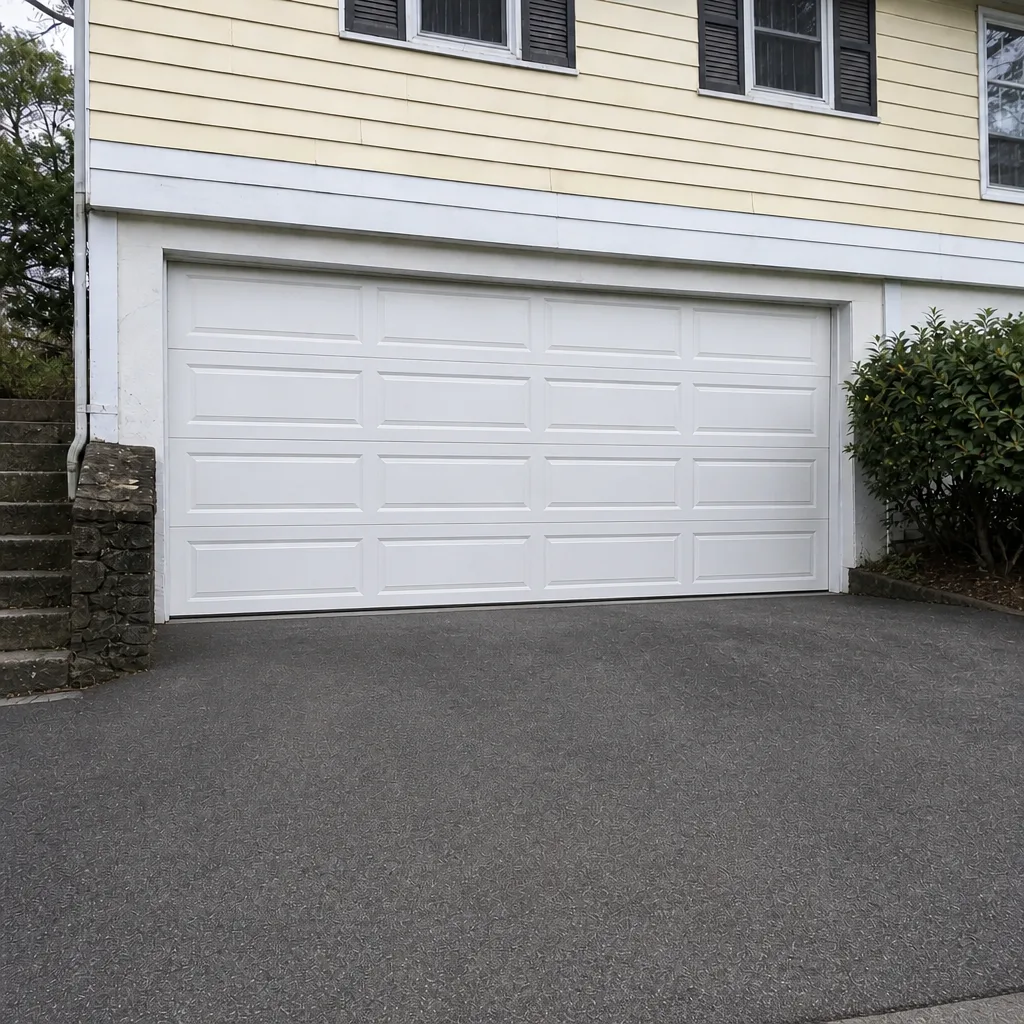 After
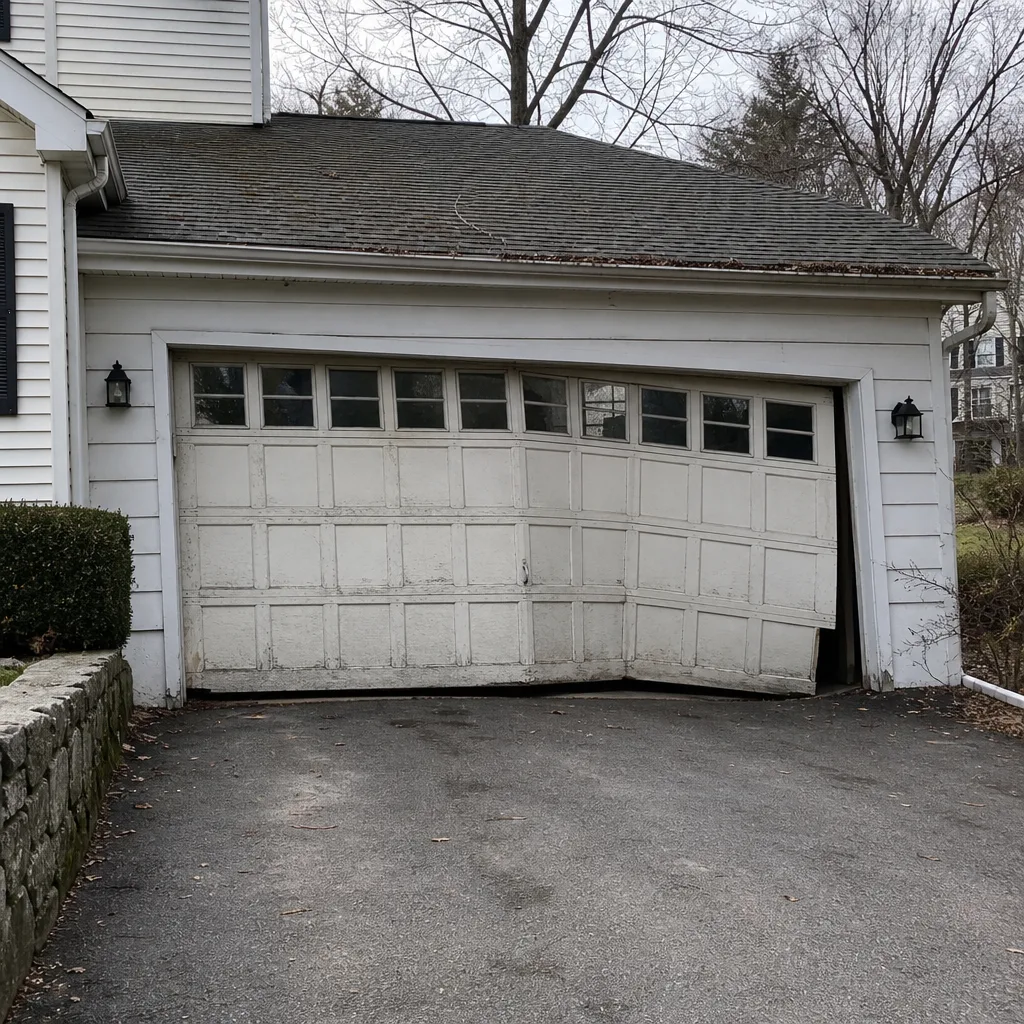 Before
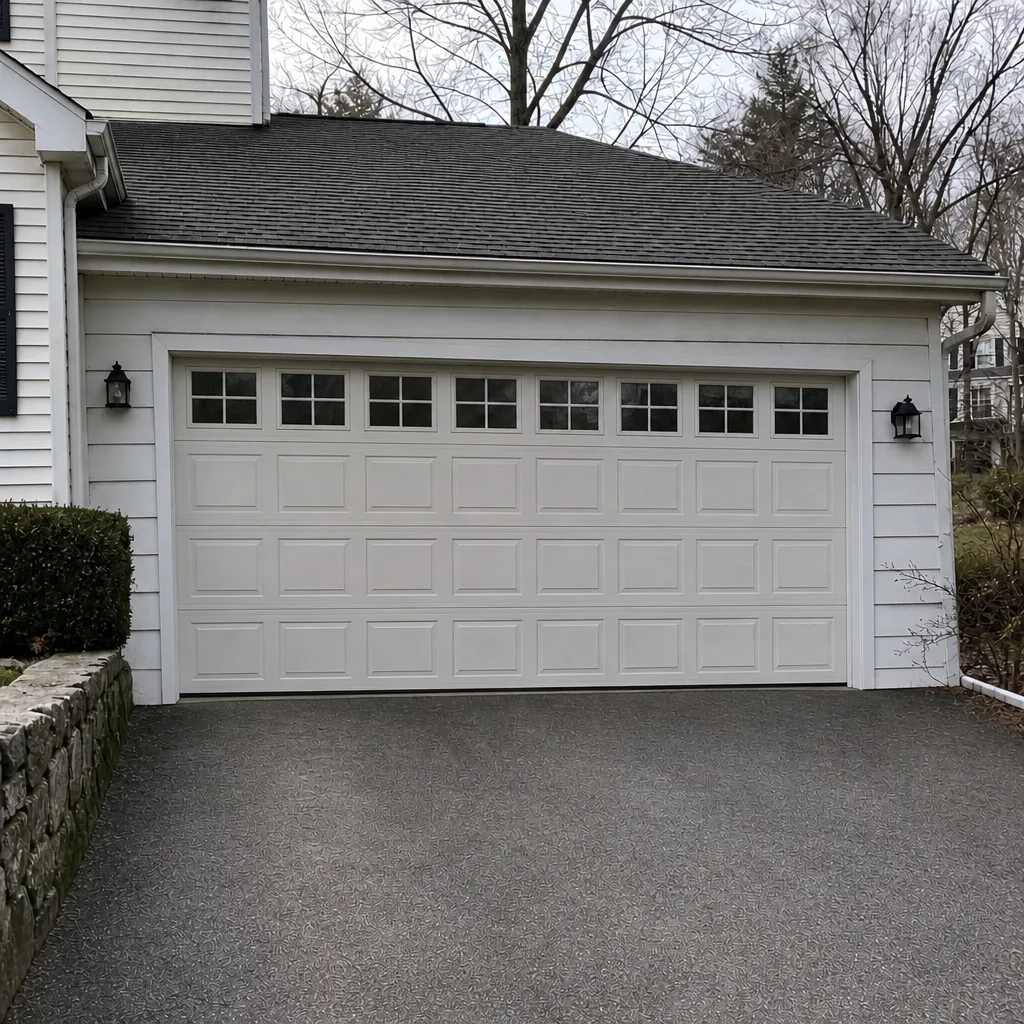 After
When to Call a Professional
Some jobs are fine to handle yourself: a remote that needs a new battery, a seal that needs replacing, a track that needs a wipe-down. Others aren’t. Call a professional if your door won’t open at all, if a spring is broken, if a cable looks frayed or has come loose, if the door is off its tracks, or if the opener reverses for no reason. Those are the cases where a small problem can turn into a bigger one fast, and where doing it yourself risks real injury.
Greenwich Garage Door Repair offers free estimates in Greenwich – call (866) 947-9299. We answer 24/7, and fast dispatch from 7am to 7pm, Sunday through Friday, gets a technician out the same day for most repairs. The price is quoted and agreed before any work starts, so there are no surprises on the invoice.
Frequently Asked Questions
A new garage door in Greenwich typically runs $1,200 to $4,500 or more, depending on size, material, insulation, and whether custom sizing is needed. Wood and historic-appropriate designs cost more than insulated steel. Call (866) 947-9299 for a free measure and written estimate – the quote is the price.
Insulated steel holds up best overall in Greenwich’s wet, freeze-thaw climate because it resists moisture and needs the least upkeep. Wood and composite suit historic and HOA-governed properties but need more frequent refinishing. Aluminum and fiberglass work for modern and glass-forward designs with some trade-offs in durability.
Often yes. Many Greenwich neighborhoods and historic districts have written design rules covering panel style, color, and material. Get the requirements in writing and get approval before you order anything, or you risk a door you can’t install.
Yes, in most cases. Spring repair is one of our core services and is usually finished the same day. Springs are under extreme tension, so don’t touch them yourself – call (866) 947-9299 and we’ll get a trained technician out.
No, in the sense that the written estimate sets the price before work starts. If a technician finds something that genuinely changes the scope, it’s discussed and agreed before any extra work happens. There are no surprise invoices.
We service LiftMaster, Chamberlain, Genie, and Craftsman, among other major brands, and can repair or replace units across both legacy and smart-home systems. If your opener is from one of those lines, a call usually settles whether it can be repaired or should be replaced.
The Bottom Line
Garage doors in Greenwich live in tougher conditions than most online guides assume. Wet winters and freeze-thaw cycling wear seals, finishes, and hardware faster; older Colonials and Victorians often need custom sizing; and HOA and historic rules can decide your door before you do. Insulated steel is the practical default for most homes, wood and composite suit period properties, and fit matters more than brand. Weigh those against your budget, get a free written estimate, and let a trained technician handle anything involving springs, cables, or electrical work. Back in service today is the goal, and it usually starts with one call.
Contact Us
Whether your door won’t move or you’re planning a new one, we can help. We work on your brand across LiftMaster, Chamberlain, Genie, Clopay, Amarr, Wayne Dalton, Craftsman, and Raynor, and we handle springs, openers, panels, and full doors. Call (866) 947-9299 for a free estimate. We answer 24/7, and fast dispatch from 7am to 7pm, Sunday through Friday, gets you back in service today. For the full range of what we do, start at Greenwich Garage Door Repair.
Written by the team at Greenwich Garage Door Repair.